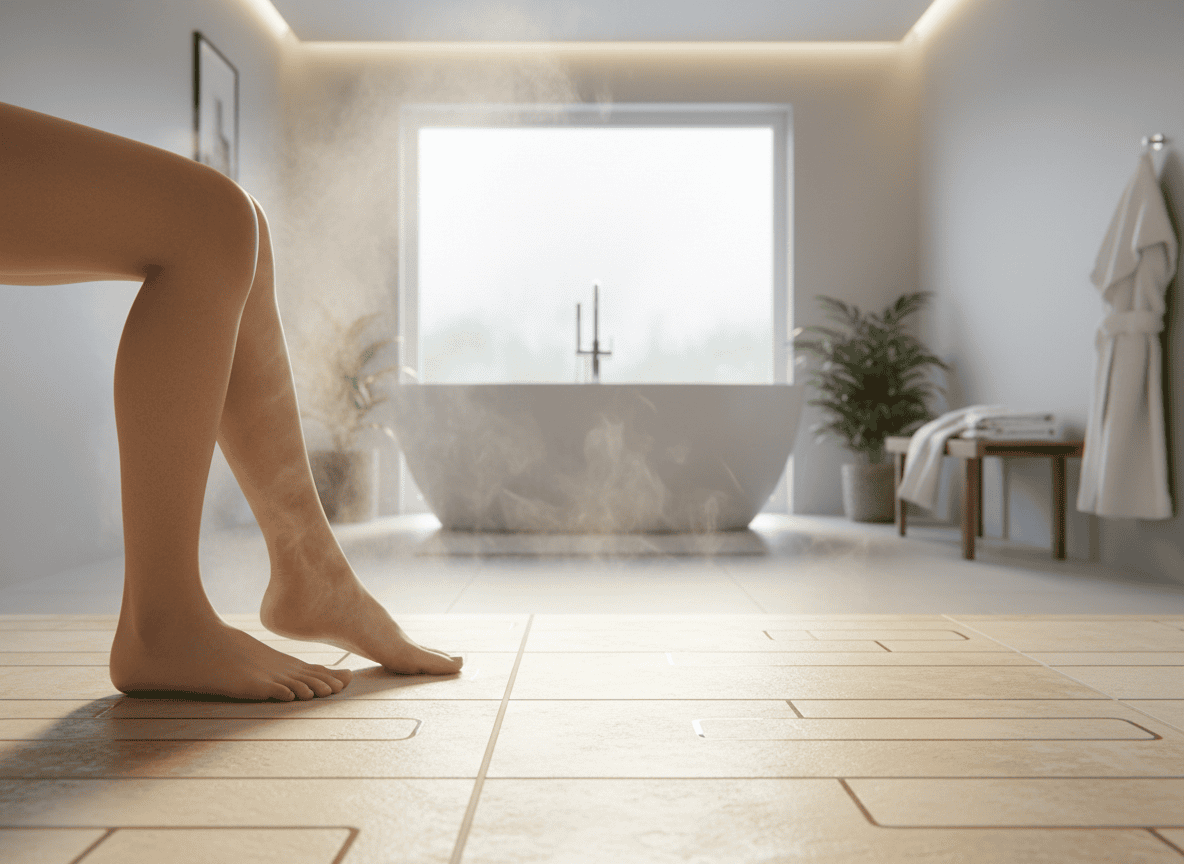
Bathroom installations of radiant floor heating grew 50.1% year over year, according to a Q2 2026 sales report from WarmlyYours, one of the largest radiant heating manufacturers in the country — and bathrooms now account for roughly 70% of every floor heating project the company sells. That’s not a niche upgrade anymore reserved for people gutting a primary suite. It’s become the default add-on contractors say clients bring up unprompted, right alongside heated towel bars and rainfall showerheads, in a category that barely registered on remodeling wish lists a decade ago.
The Cost, Which Is Lower Than Most People Guess
Here’s the number that tends to surprise homeowners who assume radiant heat is a five-figure luxury feature: according to Angi’s 2026 cost data, a heated bathroom floor typically runs between $600 and $4,600 installed, with most homeowners landing around $1,800 for a standard bathroom. Pricing scales predictably with square footage — Angi puts a small powder room around $200 to $500, while a large primary bathroom with 150 square feet or more can run $2,000 to $4,000. Separately, HomeAdvisor’s True Cost Guide pegs the average cost of adding radiant heat during a flooring project at roughly $3,311, on top of about $3,008 for the flooring itself. The gap between those figures comes down to system type and whether the heat is going in during new construction or retrofitted into an existing floor, but either way, it’s a fraction of what a full bathroom remodel already costs.
Why the Timing Makes It an Easy Add, Not a Separate Project
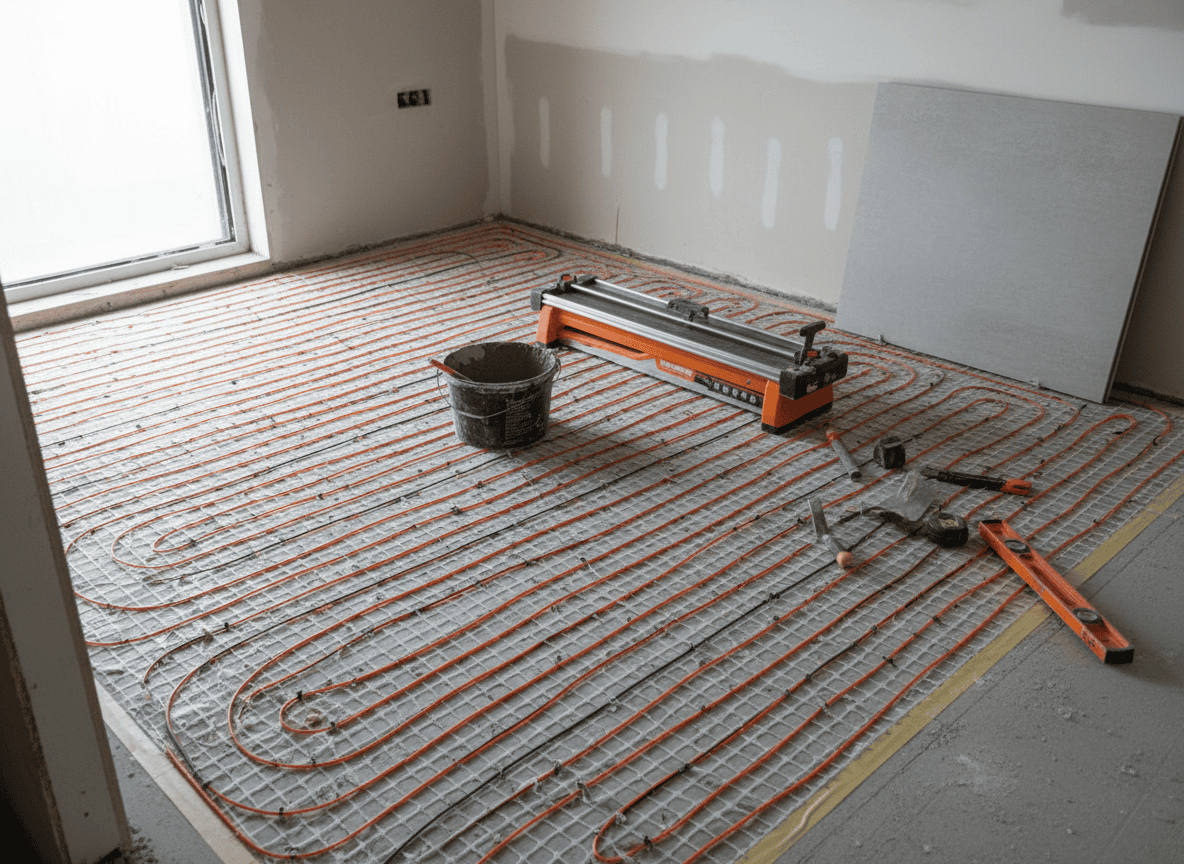
The reason heated floors have climbed so fast on request lists has as much to do with sequencing as desire. Electric radiant systems — thin mats or cables laid directly beneath tile — only require access to the subfloor, which means they add relatively little labor or cost to a bathroom that’s already being torn down to the studs for a remodel. Contractors describe it as one of the few upgrades where the marginal cost is genuinely marginal: the expensive, disruptive part of the job (removing old tile, prepping the subfloor) is happening either way, so laying in a heating mat before new tile goes down adds a few hundred dollars rather than requiring its own dedicated renovation.
The Material Homeowners Are Pairing It With
Tile, marble, and stone together account for 67.5% of all floor heating installations, per the same WarmlyYours data, which makes sense given how those materials behave without help. Hard flooring is durable and easy to clean, but it’s also cold underfoot in a way that vinyl or carpet never is, and that discomfort is precisely the problem radiant heat solves. Homeowners who wanted the look of a stone or large-format tile bathroom used to accept cold mornings as the trade-off; now the trade-off has effectively been engineered away, which helps explain why stone and tile bathrooms with heated floors have become such a common pairing in current remodels rather than two separate trends running in parallel.
Where the Growth Is Actually Concentrated
It’s worth noting the growth isn’t limited to high-end primary suites. WarmlyYours’ report described growth spread “across professional customer types, across product families, across room applications, and across price points at the same time,” with basement installations even outpacing bathrooms at 158% growth — a sign that radiant heat has moved from an aspirational luxury feature into a mainstream renovation line item across very different budget levels, not just the segment of remodels with the biggest budgets.
The product mix behind that growth backs up how broad it is. WarmlyYours reported its highest-volume product, a flexible roll-out heating mat typically used under tile, grew 41% year over year, while a newer slab-heating mat aimed at concrete and larger-format installations posted 75.6% growth, the fastest of any single product line. Kitchens, not just bathrooms, grew a further 33.7% in the same period. None of that reads like a single luxury segment spiking on a handful of high-end jobs — it reads like a feature working its way through the full range of remodeling budgets at once, which is generally what separates a passing design fad from a category that’s becoming a standard line item on a contractor’s estimate.
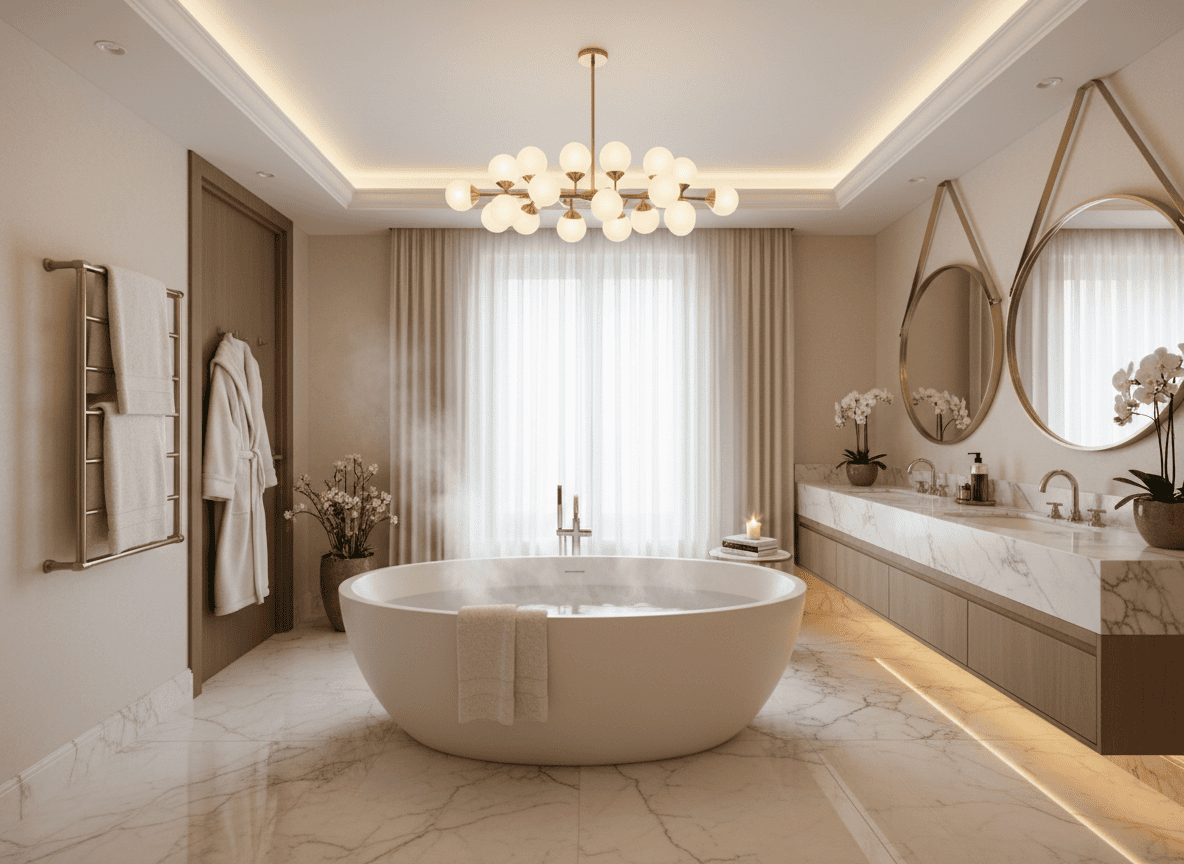
A feature that used to signal an unlimited renovation budget now shows up in bathrooms built on very ordinary ones, and the reason isn’t that heated floors got dramatically cheaper — it’s that they finally stopped being their own separate project.