

Ask most people how many pairs of shoes they could part with and the honest answer is “more than I want to admit.” Instagram creator @downsizeupgrade calls a decluttering worksheet a life saver, and in this reel she uses it on a real pair from her own closet. The caption asks followers a direct question: how many pairs of shoes do you have that you could probably part with?

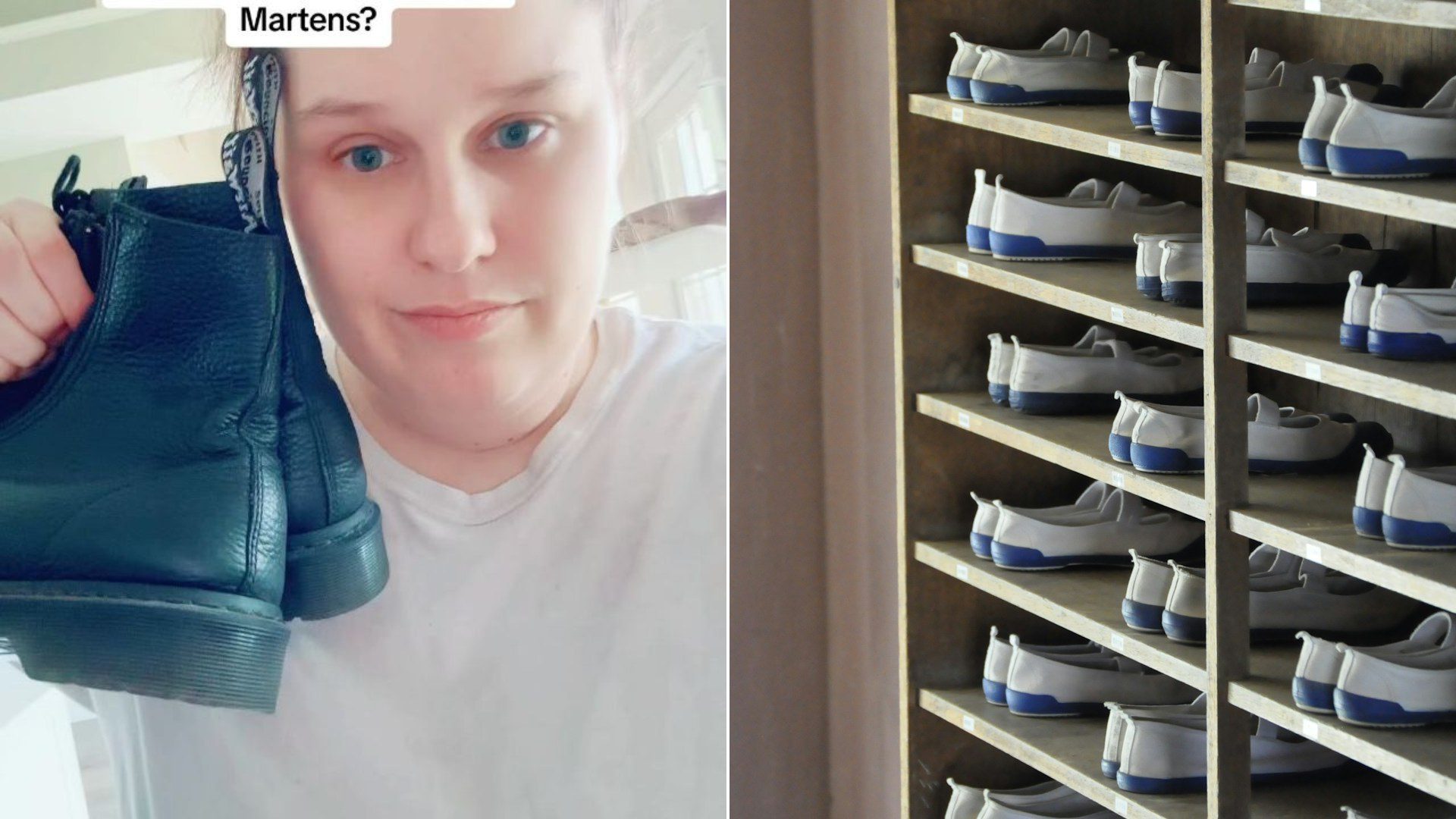
What makes the reel useful is that she reads her answers out loud, one worksheet question at a time, and lets them lead her to a decision. If you have a pair you have been unsure about, you can borrow her questions.
Walking through the worksheet, question by question
She begins with usage. She has worn the shoes in the last year, she says, but only about five times. That is not nothing, but it is not much either for something that takes up closet space all year.
Next she asks whether she needs them to be productive or happy. She does not. They also do not require much effort from her, because they just sit in the closet. That is an honest observation, since not every unused item is a burden to maintain. But an item can be low effort and still not earn its place.
Then comes the question that often decides things: would she buy them again if they were gone? They were expensive, she says, but she would not buy them again. That is a classic test, and it separates “I paid a lot for this” from “I want this in my life.”
Shoes are meant to be worn
She reminds herself that the purpose of shoes is to be worn. Because she does not really like these anymore, they are not serving her authentic self or fulfilling that purpose. She also notes that with every outfit she owns, she has other shoes that would work better.
That point is easy to overlook. A pair of shoes that is never the best choice for any outfit is a pair that stays in the closet no matter how many times you reach past it. Going through your outfits and asking which shoes you would actually choose can reveal the pairs that never win.
Admitting the anxiety
She is honest about the emotional side. This part of her closet is not overflowing, she says, and it does not really bother her. If the space were crowded she might have an easier time letting go. Instead the pressure is something quieter: a little anxiety about what if she wants them again.
That feeling is common, and naming it helps. She says she does not really think she will want them again. The worksheet, she says, is telling her to go ahead and discard them.
Someone else will love them
The most encouraging part of her decision is what comes next. Someone else would love to have these shoes, she says, especially if they are donated and they get them at a lower price. Knowing that she has something she can give to a person who will actually use it takes away from her anxiety and gives her peace.
It is a helpful reframe. Instead of thinking of the shoes as a loss, she treats them as something that is more useful in another person’s closet than in hers.
What actually happens when you donate shoes
If you decide to donate, it helps to know what charities will take. The nonprofit Soles4Souls publishes FAQ guidelines for shoe drives that say it accepts shoes of any style, size or type as long as they still have some life left in them. Single shoes and cleats are accepted when gently worn, though large quantities should be discussed with the organization first. Shoes with damage such as holes or mold are not accepted, and shoes worn past the gently worn stage are better sent to a local textile recycler.
That guidance suggests a simple rule for your own closet: if you would hand the shoes to a friend, they are probably ready for donation. If they are cracked, moldy or worn through, recycling is the better route.
A shoe declutter plan you can follow today
- Pull every pair out. Line them up on the bed or floor so you see the whole collection at once.
- Ask her usage question. When did you last wear each pair, and how many times this year? Anything worn only a handful of times deserves a hard look.
- Ask the buy again question. If the pair were gone tomorrow, would you spend money to replace it? If the answer is no, that is your answer.
- Match shoes to outfits. Go through the clothes you wear most and note which shoes you reach for. The pairs nobody picks are candidates.
- Be honest about comfort. A pair that hurts is not serving you, no matter how nice it looks.
- Set aside a maybe pair. If you are anxious about letting a pair go, box it with a date. If you have not reached for it in three months, it can go.
- Clean what you donate. Wipe off dirt and tie laces together so pairs stay together.
- Drop them off right away. Do it the same day so they do not move to the garage.
Why a worksheet helps
The reason a worksheet works is that it replaces a feeling with a series of small, concrete questions. It is much easier to answer “How many times did I wear these?” than “Do I deserve to keep these?” Each answer is a small fact, and together they add up to a decision you can stand behind.
You do not need her exact worksheet to try this. You can write the same questions on an index card: Have I worn it this year? Do I need it? Would I buy it again? Does something else work better? Does anyone else deserve to use it? Take the card to the closet, answer honestly, and see how many pairs go home with someone else.
For many people, shoes are a gentle place to start decluttering because they are easy to judge and easy to donate. A single pass through the shoe rack can free up space and build confidence for harder categories later on.