

They often don’t notice the wiring behind their walls, but those hidden electrical faults quietly create real risk in thousands of homes every year. Identify overloaded circuits, aging wiring, and concealed faults early, and you cut the chance of an electrical house fire dramatically.
This piece shows how those unseen problems start fires, how to spot the warning signs in everyday spaces, and which practical fixes and detection steps reduce risk. It guides homeowners through clear, actionable steps so they can protect their property and loved ones without technical confusion.

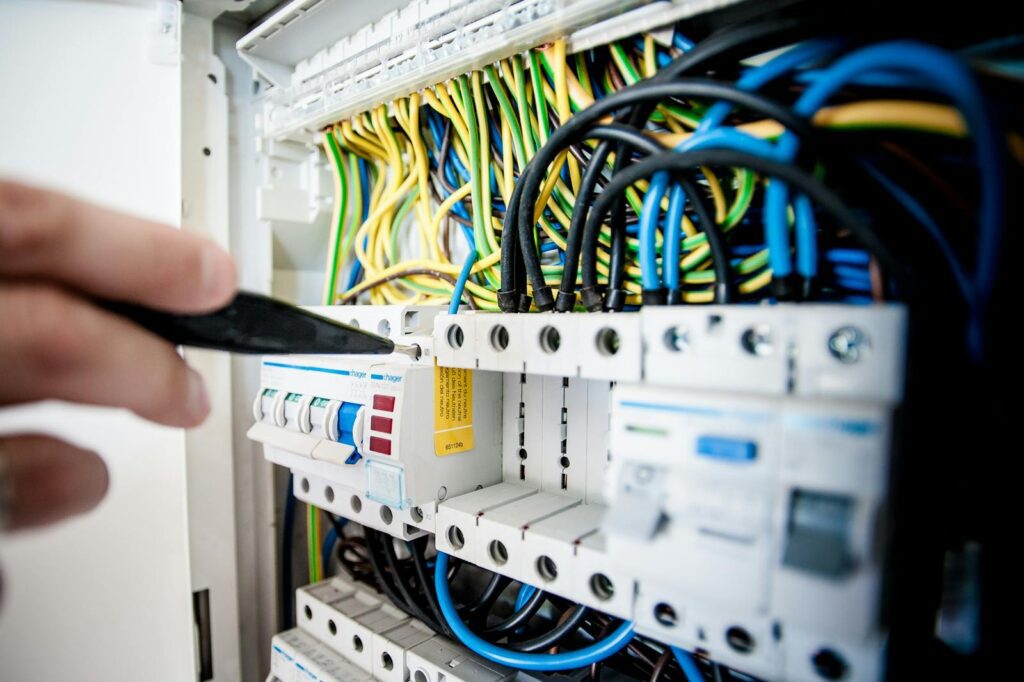
Hidden Electrical Hazards Linked to House Fires
These hazards often hide in walls, closets, and everyday devices yet share common causes: heat buildup, damaged insulation, loose contacts, and circuits carrying more load than designed. Small faults like a frayed cord or a hairline wiring break can escalate into arcing, smoke, and full-blown electrical fires.
Outdated or Faulty Wiring Dangers
Homes with cloth-insulated, knob-and-tube, or aluminum branch circuits face higher risk because insulation degrades and connections can oxidize. They often were not designed for modern loads like multiple refrigerators, HVAC systems, or EV chargers, which raises the chance of overheating and arcing.
Signs to watch for include persistent flickering lights, discolored outlet plates, burning smells near walls, or frequent circuit breaker trips. When insulation crumbles or wires contact metal, short circuits and arc faults can occur, producing temperatures high enough to ignite wood framing.
A licensed electrician should inspect older wiring and recommend replacement or targeted repairs. Upgrading to modern copper wiring, adding dedicated circuits for high-draw appliances, and installing arc-fault circuit interrupters (AFCIs) significantly reduce the risk of an electrical fire.
Extension Cord and Power Strip Risks
Extension cords and power strips are temporary fixes that often become permanent, increasing house fire risk when used improperly. Running cords under rugs, through doorways, or using damaged cords raises the chance of insulation wear, pinching, and short circuits.
Overloading a single strip with space heaters, portable ACs, or multiple high-wattage appliances concentrates electrical load and can melt connectors or start an arc fault. Look for frayed insulation, warm plugs, or scorch marks on outlets—these are red flags for imminent failure.
Use cords only short-term, match cord gauge to appliance amperage, avoid daisy-chaining strips, and plug heavy loads into dedicated wall outlets. If a device needs a permanent power solution, have an electrician add a new circuit or outlet.
Overloaded Circuits and Electrical Panels
Circuit overloads happen when too many appliances draw power from one circuit, causing repeated breaker trips or persistent hot outlets. Repeated tripping indicates the panel protects a circuit but also signals stress that can degrade wiring and connections over time.
Old panels with fused or undersized breakers, rusted bus bars, or loose terminal screws increase resistance and heat at connections—common precursors to electrical fires. Aluminum wiring connections that weren’t properly handled can loosen and create arcing at the panel or outlets.
Have an electrician evaluate panel capacity, balance loads across circuits, and replace failing breakers. Upgrading panels, installing additional circuits for high-draw items (kitchens, laundry, space heaters), and ensuring tight, corrosion-free connections reduces the chance of electrical malfunction and fire.
Malfunctioning Appliances and Loose Connections
Appliances with damaged cords, internal component failure, or worn motors can generate excessive heat or sparks, initiating an electrical fire. Washing machines, dryers, refrigerators, and portable space heaters are frequent culprits when venting, wiring, or thermostats fail.
Loose connections at plugs, switches, or terminal blocks create high-resistance joints that heat under load and can produce intermittent arcing. Signs include sizzling sounds, intermittent power, or outlets that feel warm to the touch—each indicates an urgent electrical fault.
Regularly inspect appliance cords, replace damaged wiring immediately, and secure loose terminal screws. For complex faults, technicians should test motors, heating elements, and thermal cutouts; replacing a failing appliance is often safer than continued repairs.
Warning Signs, Detection, and Smart Prevention Tactics
Watch for clear, specific indicators of electrical failure and use targeted detection tools and upgrades to reduce fire risk. Prioritize immediate action on burning odors, discolored outlets, and repeated tripped breakers; pair routine inspections with modern devices like AFCIs and GFCIs to stop faults before they start.
Recognizing Early and Hidden Electrical Fire Warnings
Flickering lights that happen across multiple fixtures can indicate loose neutrals or overloaded circuits. If lights dim when large appliances run, that points to voltage drop or undersized wiring that a licensed electrician should evaluate.
Discolored outlets, scorch marks, or visible sparks demand power off and professional inspection. A burning odor near outlets or panels — even faint — can mean insulation breakdown or arcing and should trigger shutting off power to that circuit and calling a licensed electrician immediately.
Repeated blown fuses, tripped breakers, or buzzing from outlets often signal chronic overloads or loose connections. Smoke alarms that chirp or detect smoke near electrical equipment may be the only early warning; never ignore a detector event tied to an outlet or appliance.
Smart Devices and Modern Safety Upgrades
Install arc-fault circuit interrupters (AFCIs) to detect arcing patterns that precede many home electrical fires. AFCIs can be added at the breaker or via combination receptacles and are recommended by the National Fire Protection Association for bedrooms and living areas.
Use ground-fault circuit interrupters (GFCIs) in kitchens, bathrooms, garages, and outdoor outlets to prevent shocks and wiring faults near water. Combine AFCI and GFCI protection where available for layered safety.
Fit whole-home surge protectors at the service panel and use quality point-of-use surge protectors for sensitive electronics and LED bulbs. Add thermal imaging inspections during routine electrical inspections to spot hot connections before they fail. Have a licensed electrician perform NEC-compliant upgrades rather than relying on DIY fixes.
Practical Prevention Tips from the Experts
Avoid overloading outlets and power strips; follow device amperage ratings and spread high-draw appliances across dedicated circuits. Replace knob-and-tube or aluminum wiring with modern copper conductors when an electrician recommends it.
Label circuits clearly at the distribution panel and upgrade old fuse panels to modern breakers with AFCI/GFCI protection. Test smoke detectors monthly and keep fresh batteries; install interconnected smoke alarms so one trigger alerts the whole household.
Keep a Class ABC fire extinguisher accessible and teach occupants how to use it safely, but prioritize evacuation if a fire grows. Schedule periodic electrical inspections with licensed electricians and document repairs. If any outlet shows discoloration, hot-to-touch covers, or emits an odor, shut off that circuit and arrange immediate professional repair.
More from Decluttering Mom: