Downsizing is supposed to make life easier. For a lot of people, says master certified home inspector Ian, it does the opposite. He talks about a walker on a staircase, a bill for tens of thousands and a lane they have no right to drive down. “None of it was in the listing photos.”
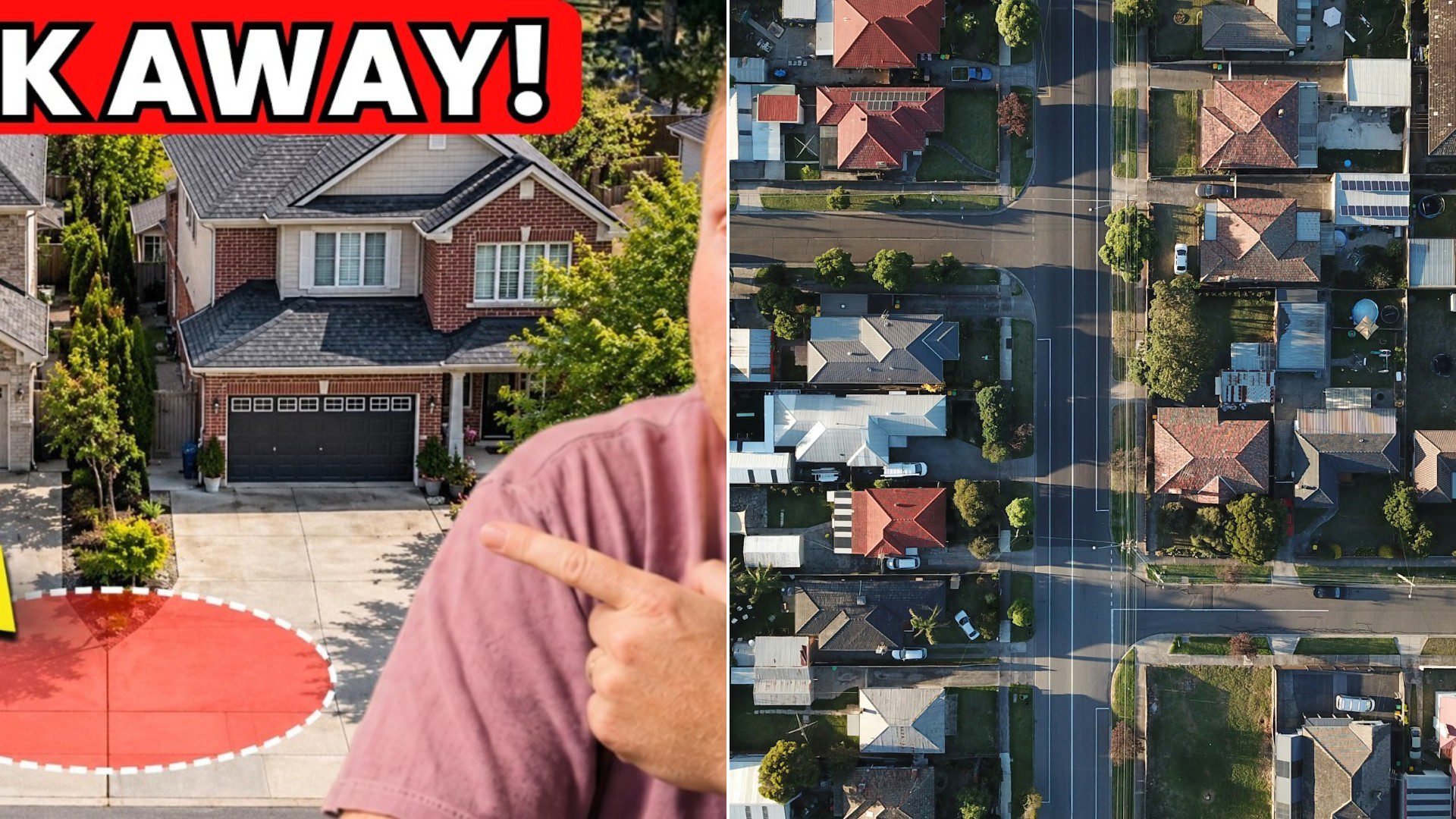
Ian has been inspecting homes for almost eight years and has gone through thousands of them. In a video on the HomeMatters channel, he named the five homes he would think twice about, whether you are moving, helping your parents move, or staying put.
Number One: The Smaller House Isn’t Cheaper Once You Add It All Up
Everyone knows moving costs something, Ian says, but almost nobody adds it up. Say you sell for a million and buy for 750,000. On paper, you are $250,000 ahead.
Then take out the realtor and legal fees, the land transfer tax on the new place (which in Toronto you pay twice) and the move. He notes that 8% of a million is $80,000.
There is more people forget to count: a penalty if you break a fixed-rate mortgage, GST or HST if you buy new, and the weeks you pay for two homes at once.
The tax side differs by place. In Canada, profit on a principal residence is generally tax-free. In the US, after decades of ownership, your gain can pass the tax-free limit. California’s Prop 19 lets homeowners 55 and over carry their old property tax base, but only if they file on time. His advice: ask your county assessor before you close and “put every cost on one page before you list.”
Number Two: The Stairs Between You And The Bathroom Can Cost Tens Of Thousands
Falls are the leading cause of injury-related hospital stays for seniors in Canada, Ian says, which is why he flags any home where the bedroom and the only full bathroom are not on the main floor.
Here is how it usually goes. You buy the two-story because the kitchen is perfect. A year or two later there is a knee replacement and the only full bathroom is upstairs. The living room becomes a bedroom.
A stairlift, a ramp and a bathroom conversion can add up to tens of thousands of dollars. Look for a full bathroom and bedroom on the main floor, no step at the entrance, and doorways wide enough for a walker. If you have a big dog, check the outdoor steps too.
Canada’s home accessibility tax credit gives back part of a retrofit, but “buying it right is cheaper.” His rule is to walk the stairs before you make an offer.
Number Three: A Bright Condo With Weak Finances Can End With A Surprise Letter
With a condo or strata, you are buying into the building’s savings and its board’s decisions. Ian describes a common scene: the condo is bright, the price is right and the fee looks fine. Then a letter arrives. The roof is done, the reserve fund covers a fraction, and your share is due in a few months.
“The warning was in the documents,” he says, and you can ask for them before you buy. In Ontario, ask for the status certificate. In British Columbia, ask for the strata minutes, the depreciation report and Form B. In the US, ask for the HOA’s reserve study.
Check the reserve fund, ask if an assessment is already pending, and read the rules on pets, rentals and renovations, plus how often they change. He adds one question nobody asks: “One elevator, ninth floor. What happens when it’s down for a month?”
Number Four: The Charming Older Home Where The Money Disappears Quietly
This is the one he says inspectors are losing sleep over, an older home with charm and systems nobody has looked at in 30 years.
Homes built from the mid-1980s to the mid-1990s may have polybutylene, a gray plastic pipe that some insurers refuse to insure or charge extra for. Knob and tube wiring turns up in very old homes, and aluminum wiring is present in homes from the 1960s and 1970s. Outside town, there are the septic system and the well.
Order matters, he stresses. People fall in love with the house, remove their conditions on a Friday and call the insurers on Monday. That is when they hear “polybutylene.” One company says no. Another says yes, for more money, with the pipes to be replaced.
“Same house, wrong order.” His fix is simple: get the insurance quote before you remove conditions.
Number Five: The Hard-To-Reach Home At The End Of A Shared Lane
The last one has nothing to do with the house. It is about how you get to it. A steep or shared driveway on a rural road and a great house 40 minutes from a hospital call for two questions.
Can you get in and out in January? Check the ice and the slope, and ask who clears it. “A steep driveway in ice can cut you off from your own car.” And can you live there if you stop driving, with a pharmacy, doctor, groceries and an ambulance needing to reach you?
He says this one usually shows up in the second winter. The sellers always plowed the shared lane and the neighbor never minded. Then the neighbor sells, and the new owner wants a written agreement and half the cost. “Nothing on title gives you the right to use that lane.”
Check for a registered easement before you buy, and drive the route in January before you decide.
His closing line sums up all five: “Every one of these problems was visible before the offer. The expensive part was never the fix.”
More Stories You May Like
- High School Senior Reselling Clothes From A Goodwill Outlet Warehouse Fifteen Minutes From Home Says Sales Hit About $4,000 A Month
- Selling Online Without Getting A 1099 K Form Does Not Mean You Owe No Tax, Because The $20,000 And 200 Transaction Rule Only Decides What Platforms Report
- Mercari Offers Free Shipping On Orders Of $50 Or More Through January 4, But The Fine Print Caps Weight At Five Pounds And Single Items Must Use Best Rate