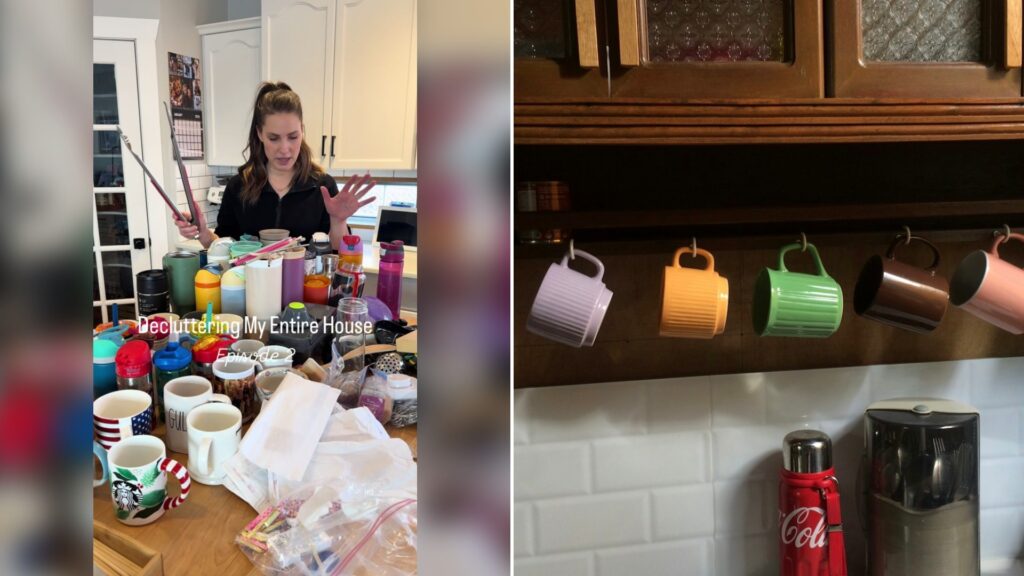
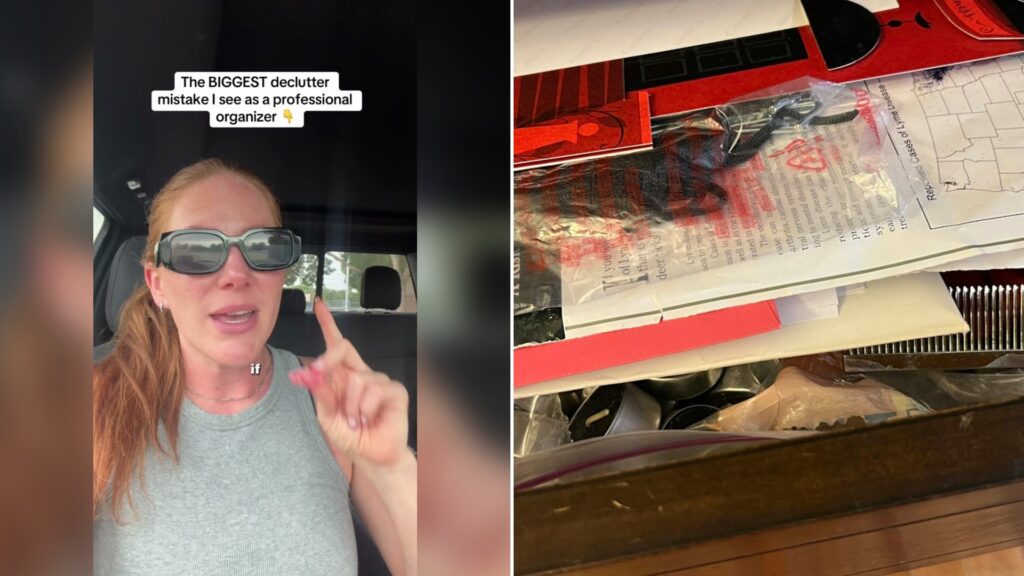
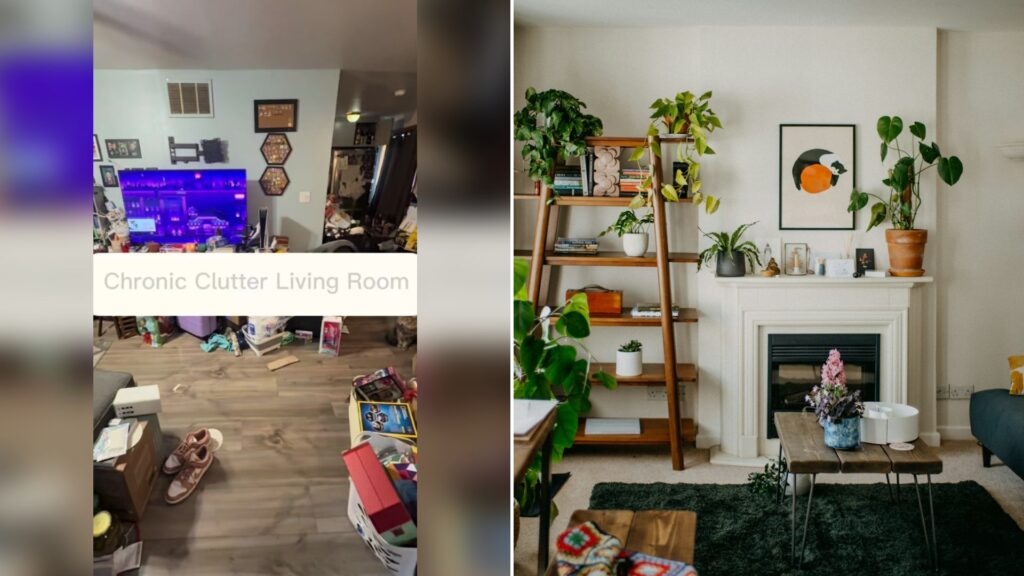
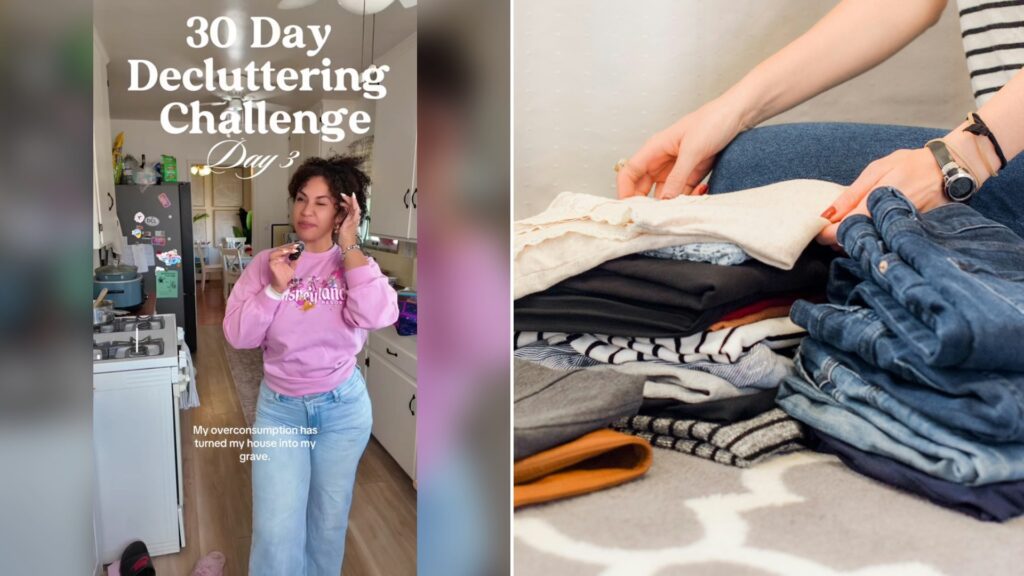
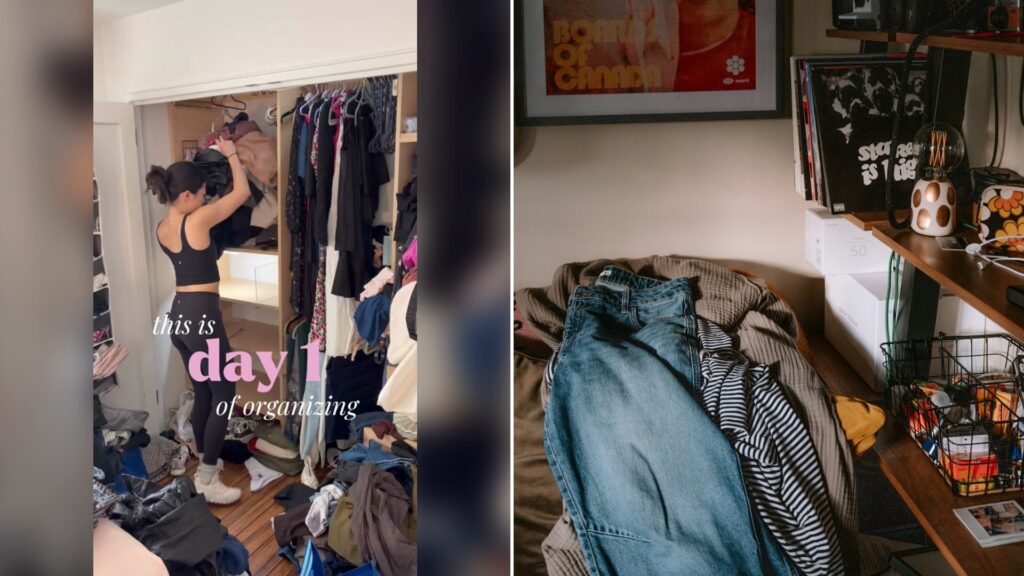
Staring at a drawer full of stuff and not knowing where to begin is one of the most common reasons people give up on decluttering before they start. Home organizing creator @ddh.home offers a handful of quick formulas designed to take the guesswork out of it, and they are simple enough to remember without writing anything down.
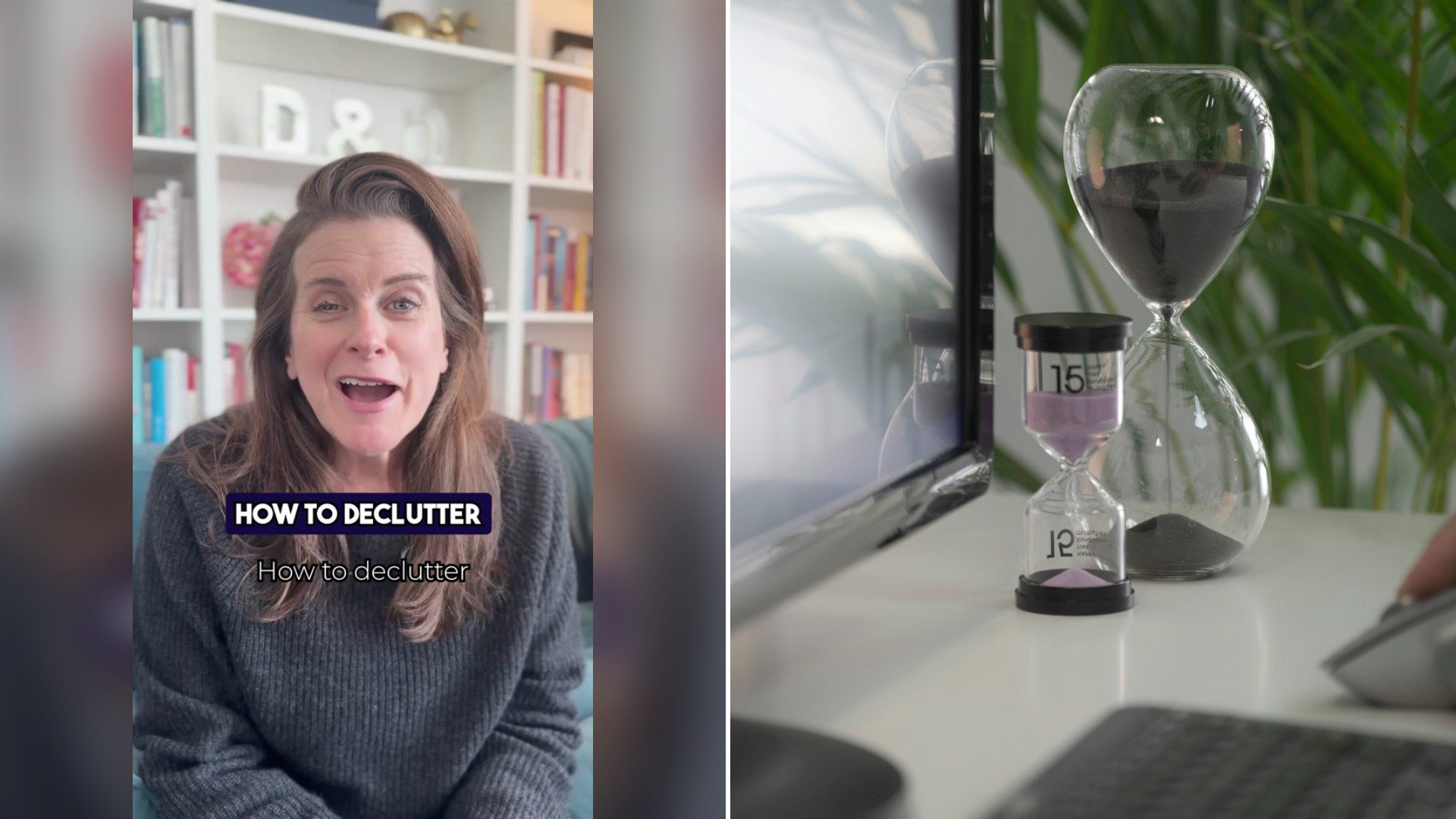
The creator shares three rules in under a minute: the 20 20 rule, the 15 minute rule, and a third test that asks whether you would bother cleaning an item if it got truly messy. Here is the walk-through.
@ddh.home
Rule One: The 20 20 Rule
The first formula is the 20 20 rule. The idea is that if an item costs less than $20 and you can replace it in under 20 minutes, you do not need to keep it.
It is a clever test because it addresses the fear that holds many of us back, which is the worry that we will let something go and then need it. The rule shows how small that risk usually is. If the worst case is a quick trip to the store and a twenty dollar purchase, then keeping the item in your home for years costs you far more in space, in clutter and in time spent looking at it.
Think of the things that tend to land in this category: extra extension cords, spare batteries in odd sizes, old measuring cups, plastic storage containers with missing lids, and a drawer of takeout condiments. Almost all of it can be replaced cheaply and quickly, and most of it never gets replaced because it is never missed.
Rule Two: The 15 Minute Rule
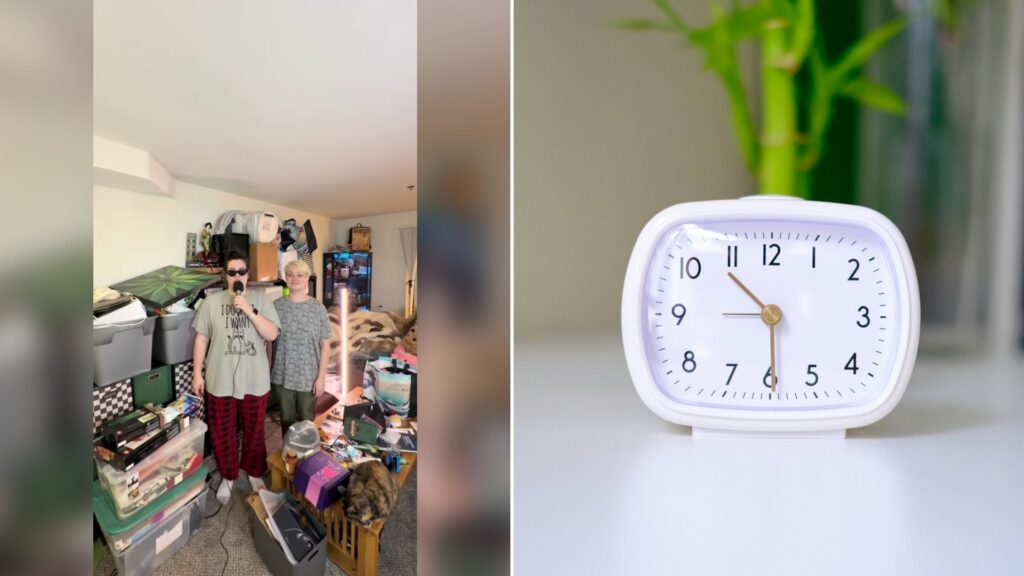
The second formula is the 15 minute rule. Set a 15 minute timer, pick one small area to declutter, and stop when the timer goes off. The example given is setting a timer to declutter a single drawer. Not the house, not the room, just the drawer.
The power of this rule is that it makes the task small enough to start. A whole house is overwhelming, but a drawer is not. Fifteen minutes is short enough that almost anyone can say yes to it, even on a busy day, and stopping when the timer ends means you finish feeling successful instead of worn out.
Rule Three: Would You Clean It?
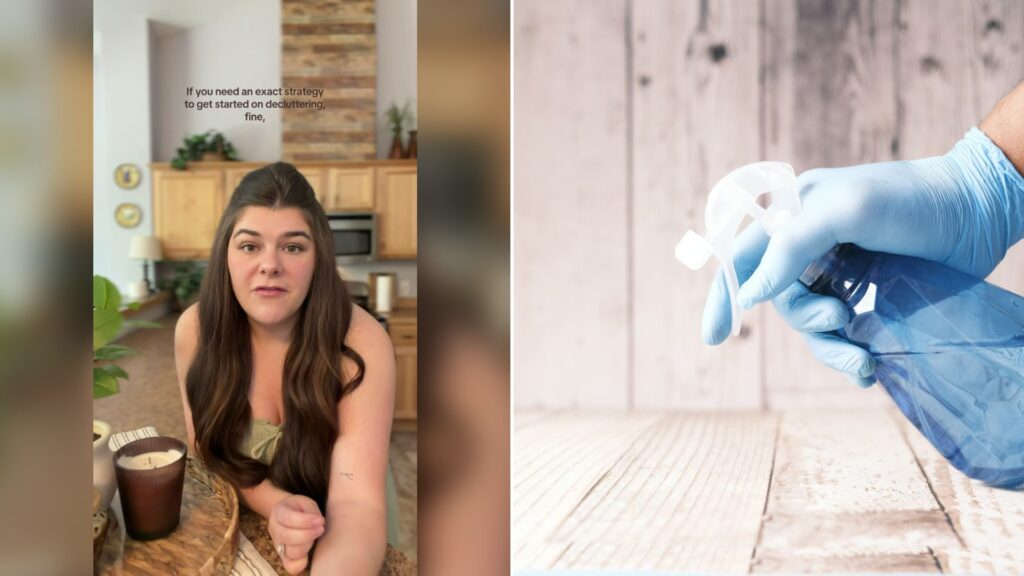
The third formula is a little cheeky. It asks you to picture the item with something truly unpleasant spilled on it and then ask yourself whether you would clean it or throw it away. If you would not clean it, the creator says, you do not actually value it. You are just storing it.
It is a surprisingly honest way to measure how much something matters to you. We willingly wash and care for things we love, like a family quilt, a favorite cast iron pan or a treasured photo frame. If an object would go straight into the trash at the first sign of trouble, it was probably not as important as it seemed on the shelf.
How to Use All Three Rules Together
The formulas work well as a short routine. Here is one way to put them to work in a single afternoon.
- Pick your spot. Choose one drawer, one cabinet shelf or one corner of a closet.
- Set the timer. Give yourself 15 minutes and take everything out of the space.
- Run the 20 20 test. Anything cheap and easy to replace can go into the donation or recycling pile right away.
- Run the cleaning test. For the items left, ask whether you would clean them if they got messy. Anything that fails goes into the same pile.
- Put back only what remains. Return the keepers neatly, and remove the pile from the house before the day is over.
A Few Notes on When the Rules Do Not Fit
Rules of thumb are helpful, but they are not meant to override common sense. A few things to keep in mind as you use them:
Some cheap items are priceless
The 20 20 rule is about replaceable things. A handwritten recipe card, a child’s drawing or a keepsake from a loved one may cost nothing, but it cannot be replaced at any price. Those items belong in a different category, and they deserve a proper place, such as a memory box.
Tools and spare parts need a second look
If you maintain an older home or work on projects often, a few inexpensive spare parts may save you a real headache. Keep what you genuinely use and know the purpose of, and let go of the mystery bag of screws.
Safety items stay
First aid supplies, smoke alarm batteries, flashlights and similar basics may be cheap, but they should stay on hand and in working order. The point of decluttering is to make your home more useful, not less prepared.
Why Small Steps Beat Big Plans
Many people picture decluttering as a huge weekend project that requires a rented dumpster and a full day with no interruptions. That image alone is enough to keep people from starting. Quick, bite-sized rules like these remove the barrier. You do not need a perfect plan or a free weekend. You need a timer and a drawer.
It also helps to remember that decluttering is a habit, not a one-time event. One drawer this week, a shelf next week, and in a month you may notice the whole house feels different. Small wins build momentum, and momentum is what finally gets a home clear.
The creator closes by inviting people to follow for practical decluttering tips and space saving ideas. The takeaway is easy to carry with you: if it is cheap and quick to replace, let it go; work in short bursts; and keep only what you would truly take care of.