Anyone who lives in a homeowners association knows that even a simple home improvement can turn into a long process. One homeowner, @youcallmeaashik, shared a story about extending her driveway that has all the ingredients of a classic neighborhood tale: a slow approval, a clear rule and a neighbor with plenty of opinions.
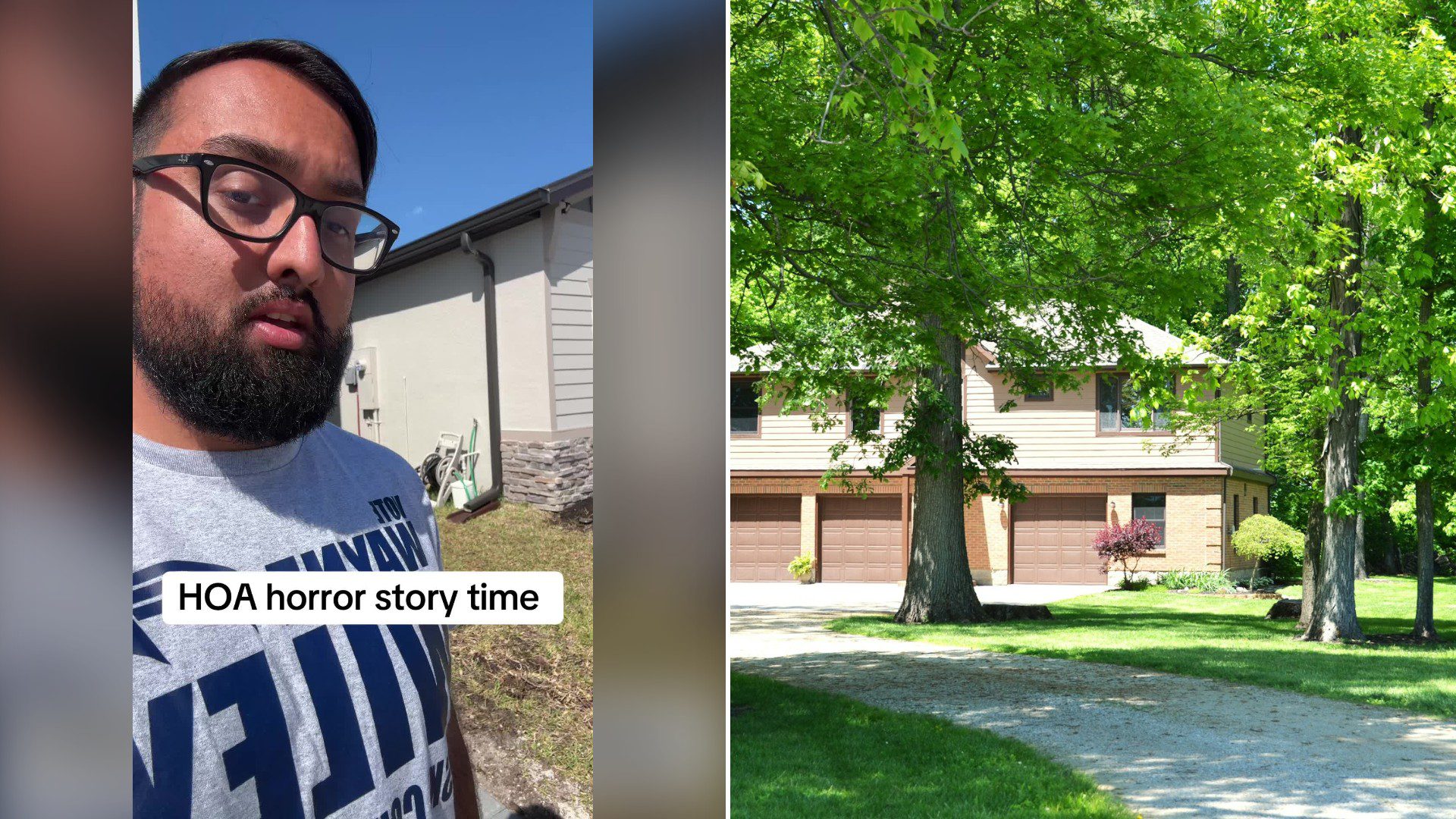
She had finally crossed the finish line after more than a month of back and forth. Then someone who does not even sit on the board stopped by to tell her the result looked too big. Here is how it all played out, along with some general tips for anyone planning exterior changes in an association community.
@youcallmeaashik
A Month of Rejections Before Approval
According to the creator, she had her driveway extended just the day before she told the story. Getting to that point was far from quick. It took a little over a month to receive approval because her requests kept getting rejected. Each time, she had to go back and adjust what she was asking for.
Eventually she worked out exactly which rules applied to her situation. Once she understood the guidelines, she was able to put together an application that the association accepted. She described the paperwork as a full package, including a sketch, a mock photo and a proposal from the vendor doing the work.
Three Feet on Each Side and Nothing More
The key rule she discovered was simple. Under the association guidelines, a driveway can only be extended three feet on either side of the existing driveway. That was her extension zone. She also could not run the new pavement all the way to the sidewalk, because it had to stop before reaching it.
She followed those parameters and used the same type of materials that the original driveway was built with when she and her family bought the house. As she saw it, she had done everything by the book: she asked, she submitted the details, she waited for approval and she built within the limits she was given.
A Neighbor Stops By With an Opinion
Shortly after the work was done, a neighbor walked past and looked at the new driveway. She told the homeowner that she did not think the change was allowed. The homeowner explained that she had approval from the association and had gone through the entire application process.
The neighbor was not convinced. She said the driveway looked too big and looked a lot larger than the other driveways on the street, and she was not comfortable with it. The creator pointed out the obvious: the woman is not on the board. The neighbor replied that the board would be hearing from her anyway, which left the homeowner shaking her head and vowing to keep that neighbor away from any position of authority in the community.
A Plan Involving the Neighbor’s Dog
The story took a more playful turn at the end. The creator said this neighbor often walks around the community, apparently checking whether other residents follow the rules, and brings along a loud little dog. According to the creator, the dog is allowed to leave messes behind without anyone picking them up.
Now that she knows it happens regularly, she pointed out that this is also against the association guidelines. Her plan is to record it and send the evidence to the association each time. In her words, if the neighbor wants to take her on, they are going to go toe to toe.
Tips for Handling Association Approvals and Nosy Neighbors
Whatever you think of the back and forth, the story offers useful reminders for any homeowner planning a project. These tips are general suggestions, so always check your own governing documents.
- Read your governing documents and architectural guidelines before you apply, and ask the management or board to clarify anything that is vague.
- Submit a complete application with drawings, photos, measurements, materials and contractor details. Incomplete requests are a common reason for rejections.
- Keep every approval in writing, and save a copy of the final approved plans somewhere safe.
- Build exactly what was approved. Measure twice and ask your contractor to stay within the stated limits.
- If a neighbor questions your project, stay calm and point them to the approval. Questions about enforcement belong with the board or management company.
- Be consistent. If you expect others to follow the rules, make sure you follow them too, including rules about pet waste.
- If you feel a dispute is getting out of hand, consider speaking with a qualified professional about your options.
If you are planning your own exterior project, set aside extra time for the approval process. Many associations meet only once a month, so a single rejection can add weeks. Asking the management company for a sample of an approved application is a simple way to avoid repeating the same mistakes.
The Takeaway
This homeowner did the hard work of learning the rules, getting approval and building within the limits. Having a neighbor second guess the result, even though that neighbor has no authority, is the kind of friction that can make life in an association tiring. Clear paperwork and calm conversations are the best protection. Most communities simply want residents to follow the same rules, and that applies to everyone on the sidewalk, dogs included.