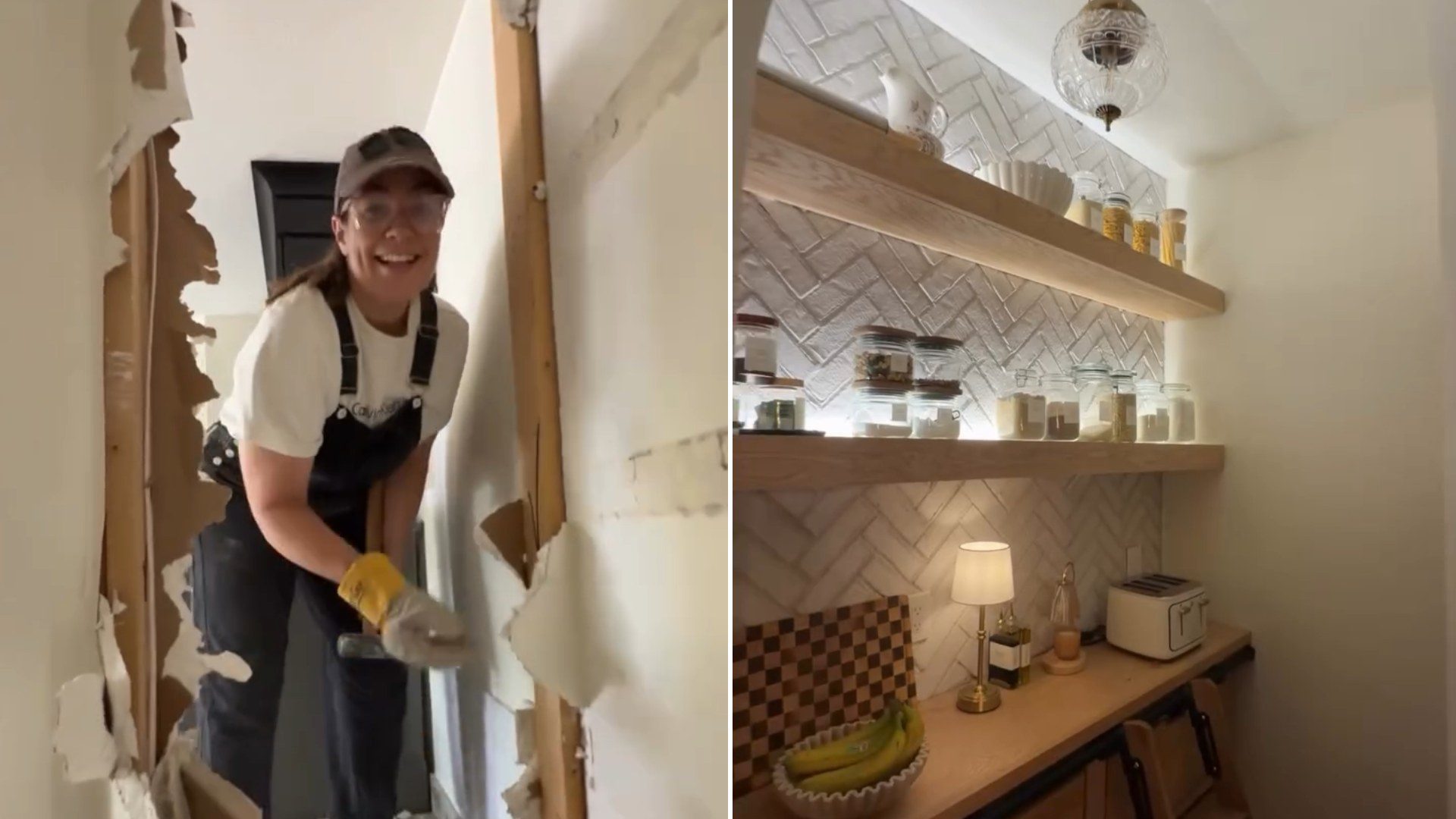
A kitchen corner that had swallowed groceries for years — the kind of blind spot where cans and boxes disappear until they expire — got torn out completely and rebuilt into an open, arched walk-in pantry in a project that’s now been viewed more than 4 million times on Instagram. That view count runs almost 794 times the median for similar kitchen content, and it lines up with what the industry has been reporting for a while now: storage, not countertops or backsplash, is what’s actually driving kitchen renovation decisions.
The Dead Corner Problem Is Almost Universal
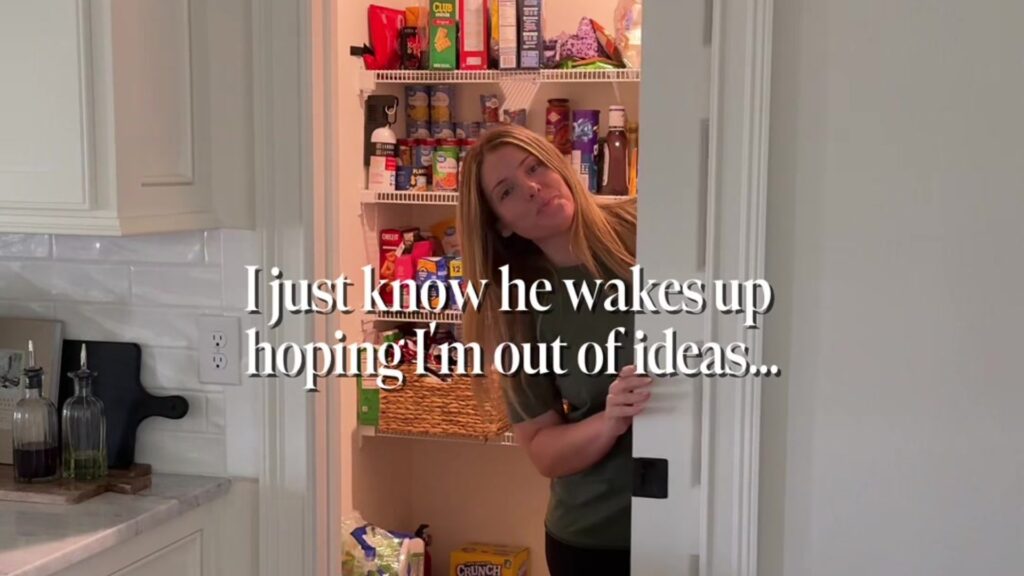
Corner cabinets and blind pantry closets are among the most consistently wasted footprints in a standard kitchen layout, because the deepest part of the corner is nearly impossible to reach without pulling everything in front of it out first. That’s the exact failure mode described in the reel: a pantry that technically existed but functioned as a place where food went to be forgotten rather than a space anyone could actually use. Insufficient storage is now the single biggest turn-off industry experts flag in new kitchens, cited by 81% of the 101 designers surveyed for a 2026 kitchen trends report, ahead of complaints about outdated fixtures or poor lighting.
The same reporting found that nearly half of homeowners now treat pantry storage as a must-have rather than a nice-to-have when planning a kitchen project, and 76% built some kind of built-in storage feature into their renovation. A dead corner that isn’t pulling its weight has become one of the first things renovators target, precisely because it’s wasted volume in a room where every cubic foot has gotten more valuable.
What Rebuilding the Space Actually Involves
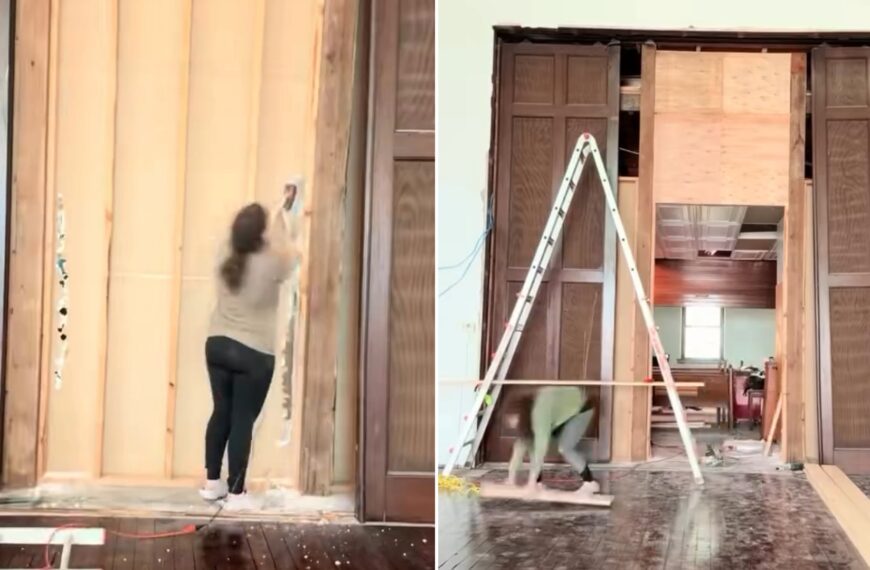
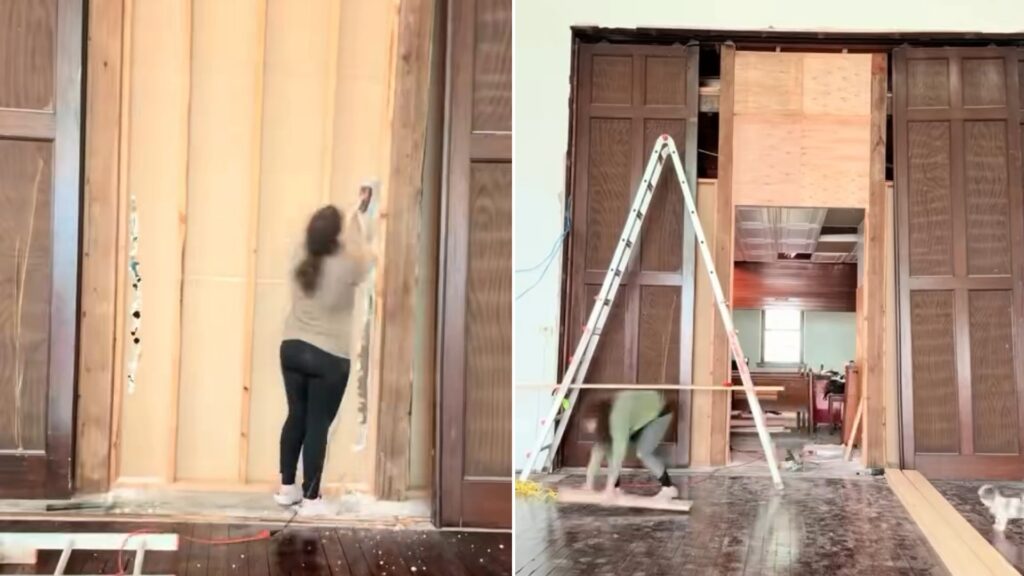
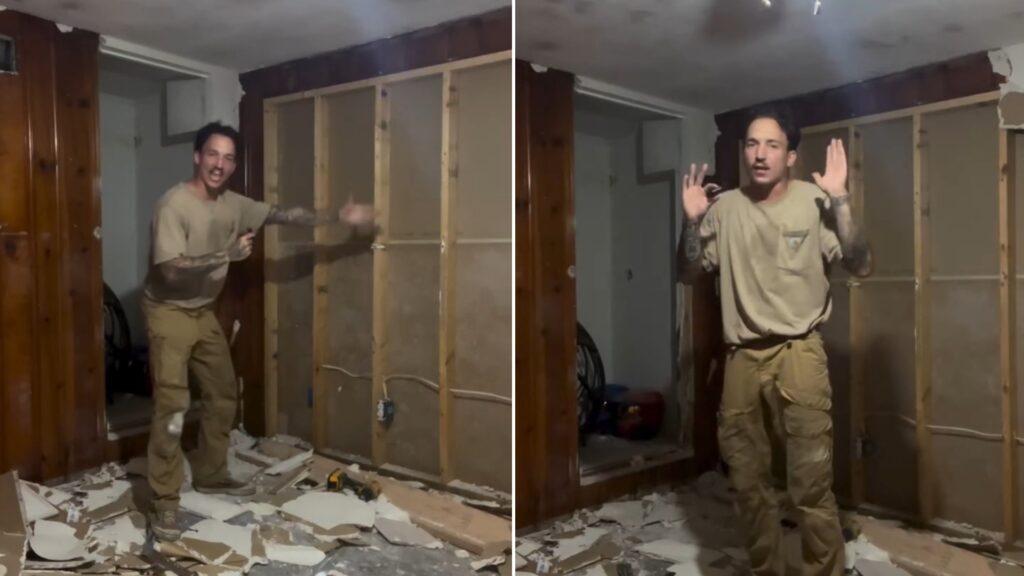
Turning an awkward corner into an open-concept arched pantry means more than swapping cabinet doors for open shelving. It typically requires demolishing the existing cabinet boxes down to the studs, reframing the opening (often widening it and adding an arch header, which has become a popular architectural detail for softening a hard rectangular doorway), and rebuilding shelving to actually use the full depth and height of the space instead of the fraction a standard cabinet door swing allows for. Electrical often needs to move too, since a pantry meant to be seen rather than hidden behind a door usually gets its own dedicated lighting instead of relying on whatever fixture was originally aimed at the corner.
The open-concept part of the design does real functional work beyond looks. A door-free pantry forces better organization by default, since there’s nowhere to shove disorganized bins out of sight, and it makes the inventory visible enough that forgotten food, the entire problem with the original dead corner, becomes much harder to lose.
Why This Fix Keeps Going Viral
Pantry renovations hit differently than most kitchen content because almost everyone has a version of this same wasted corner somewhere in their own kitchen, whether it’s a blind cabinet, an awkward closet, or a pantry that’s just too shallow to see into. Watching someone else solve it is close to watching a problem in your own kitchen get fixed by proxy, which is likely a real part of why this reel outperformed by such a wide margin.
It’s Also One of the Better-Returning Kitchen Upgrades
Unlike a lot of viral renovation content, this particular fix lines up with what real estate data says pays off. Minor kitchen updates, the category a pantry rebuild like this one falls into rather than a full gut renovation, recover about 113% of their cost at resale on average, according to HomeLight’s 2026 breakdown of value-adding renovations, which specifically calls out converting unused closet or corner space into a walk-in pantry as a buyer-appeal upgrade. That’s a notably better return than most bathroom or whole-kitchen remodels manage, largely because the labor and material cost of reworking one corner is small relative to how much buyers now say they care about storage.
The underlying lesson holds regardless of square footage: the corner was never the actual problem. Access to the corner was, and fixing that mattered more than adding cabinets somewhere else in the room. Anyone eyeing their own dead-corner pantry doesn’t need 4 million views’ worth of reassurance to justify the project — the return-on-investment numbers and the storage-complaint data both point the same direction, toward tearing it out rather than living around it for another decade.