Homeowners insurance premiums climbed 45.8% between 2020 and 2025, according to an analysis of regulator-approved rate filings compiled by LendingTree using S&P Global RateWatch data alongside Bureau of Labor Statistics inflation figures. Over that same five-year window, the overall cost of living rose 26.1%. Insurance costs didn’t just outpace inflation — they outpaced wage growth in 41 states, and in 2024 alone, home insurance rates grew faster than income in every state but two. Look at almost any other line on a household budget over the past five years, and insurance has quietly climbed past it.
The Gap Widened Fastest When Nobody Was Watching
The widest split between insurance costs and everything else didn’t happen gradually. In 2024, home insurance rates rose 12.5% nationally while general inflation sat at 2.9%, a nine-and-a-half point gap in a single year. Iowa homeowners saw the starkest mismatch between what they earned and what they paid to protect their homes, with insurance costs outrunning income growth by close to 50 percentage points over the study period. That kind of divergence doesn’t show up on a grocery receipt or a gas pump. It shows up once a year, in a renewal notice that’s harder to explain than almost any other bill a family gets.
Roofs Are Absorbing an Outsized Share of the Bill
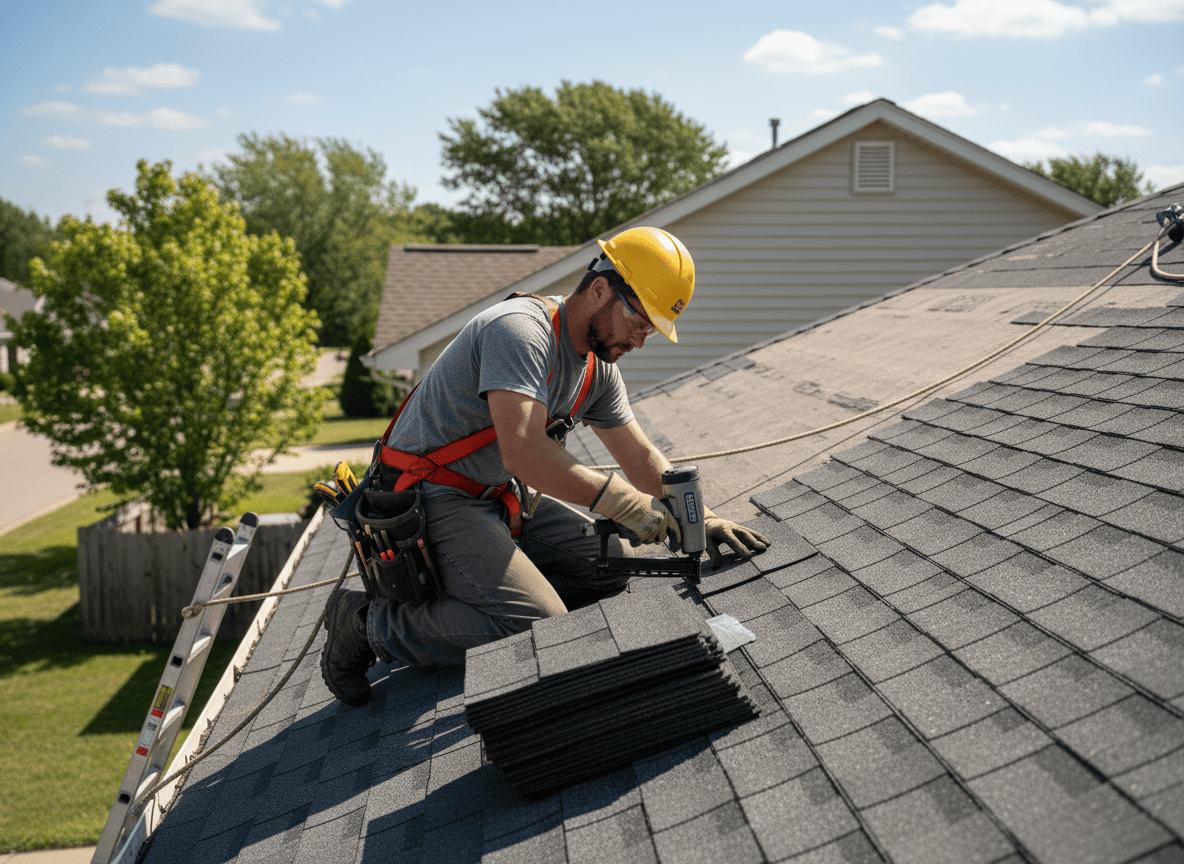
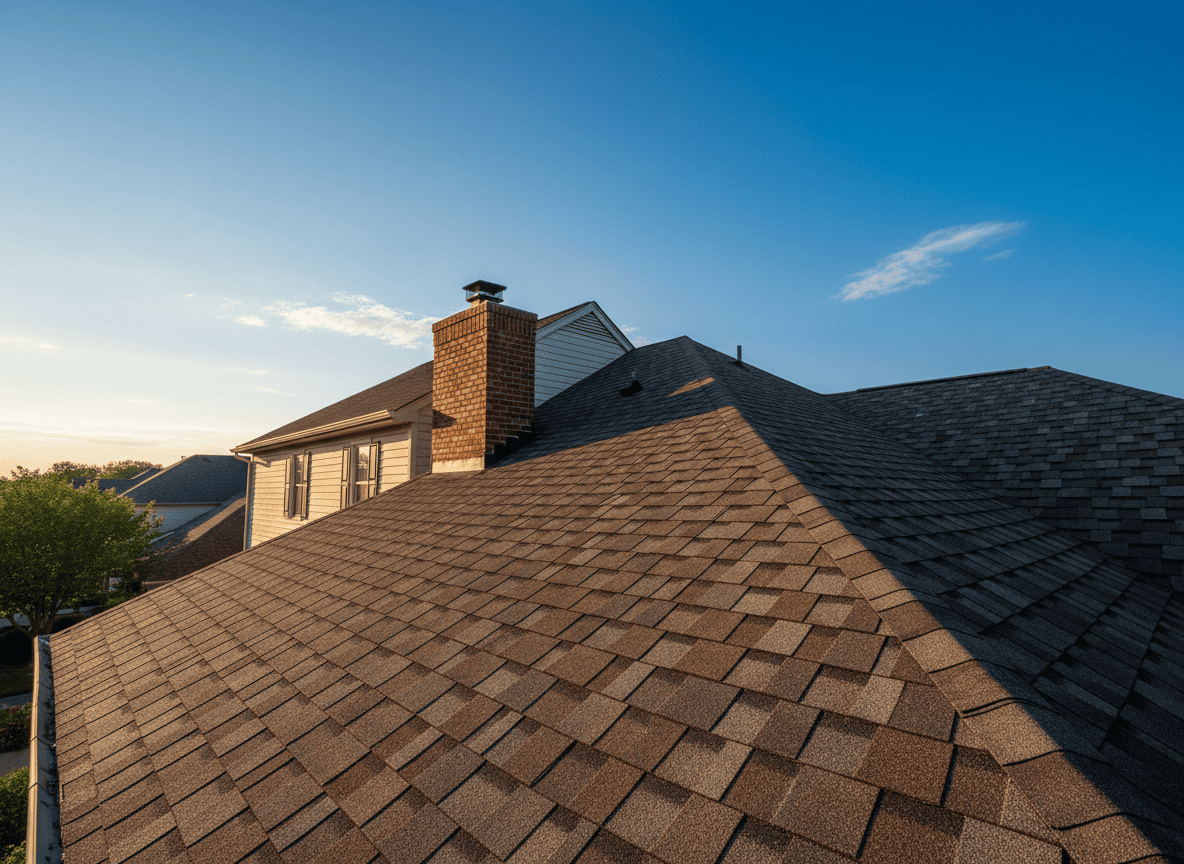
The line item quietly driving much of that increase sits directly overhead. According to Verisk’s 2026 U.S. Roof Report, roofing line items now account for roughly 30% of all line items within homeowners claims estimates. The average residential roof replacement cost $17,631 in 2025, and repair-only claims averaged $4,699 — both figures that keep climbing even in years when storm activity is comparatively mild. Verisk’s data shows replacement costs are up 33% and repair costs up 25% compared with the 2021-2024 average, driven less by more storms and more by what it costs to fix a roof once one gets damaged: pricier materials, aging housing stock, and roofs in only fair or poor condition that generate roughly 60% higher loss costs than roofs in good shape.
That distinction matters. Insurers aren’t necessarily paying out more claims — Verisk notes claims volume actually dropped nearly 20% even as total payout costs stayed near record highs. It’s the cost per roof claim that keeps rising, and insurers pass that cost forward to every policyholder’s premium, not just the ones who filed.
Severe Weather Is Also Moving Into New Territory
Roof-related storm losses aren’t confined to traditional disaster zones anymore. The National Insurance Crime Bureau has tracked convective storm damage — the hail and high-wind events that chew through shingles — roughly doubling from $30 billion in nationwide losses in 2022 to $60 billion in 2023. States in the Southeast and Northeast that historically saw fewer severe hailstorms are now filing roof claims at rates that would have been unusual a decade ago. Verisk’s regional breakdown backs that up: the Midwest and Northeast each have close to 17% to 18% of their housing stock carrying roofs older than 31 years, well past the point where a hailstorm or a wind event turns a repair into a full replacement.
What Homeowners Can Actually Do With This
None of this means a homeowner can negotiate their way out of a rate increase tied to national claims data. But the roof-specific nature of the cost pressure does point toward a few concrete moves:
- Ask an insurer directly whether roof age or roof material affects the premium calculation — many carriers now price roofs on a sliding scale rather than a flat age cutoff.
- Get a roof inspected before it becomes a claim. A roof rated in good condition carries meaningfully lower loss costs in insurers’ own data, which can translate into fewer surcharges at renewal.
- Ask about impact-resistant shingle discounts in hail-prone states — several insurers offer rate reductions for materials rated to withstand hail, even where they weren’t common a few years ago.
- Shop the policy every renewal cycle rather than auto-renewing. Rate increases vary significantly by carrier even within the same state and same roof condition.
The premium increase itself isn’t going to reverse. But understanding that roofs — not water damage, not liability claims, not theft — are the specific driver behind so much of the past five years’ cost growth gives homeowners a clearer target for the maintenance and shopping decisions actually within their control.