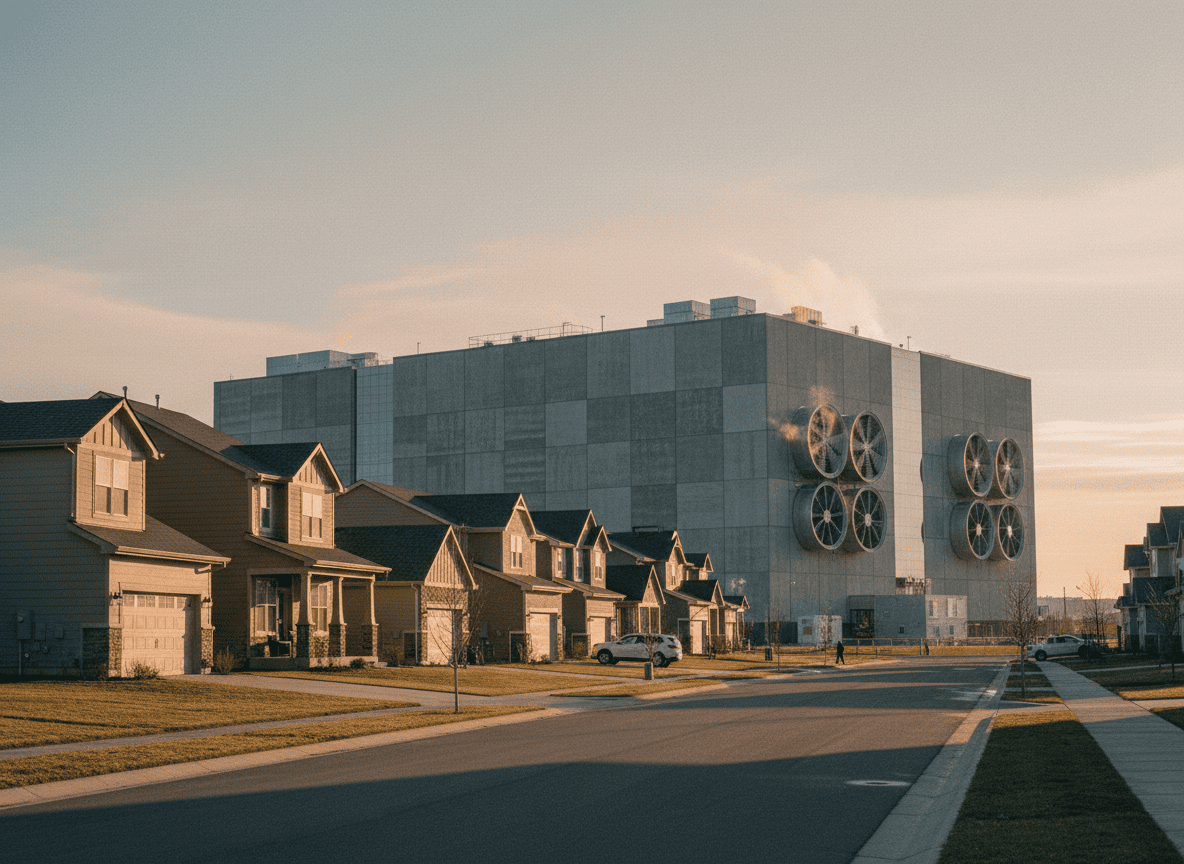
Homes sitting in counties with the heaviest concentration of AI data centers now carry a median value of $431,750 — nearly two and a half times the $174,500 median in counties with no data centers at all, according to a new report from the National Association of Realtors. The gap is real, but it comes with a catch that NAR’s own economists are quick to point out, and a second finding that should worry anyone living near the buildout: rising utility bills.
The Value Gap Is Wide, But So Is the Asterisk
Only 1% of U.S. counties have ten or more mapped data center facilities, and 92% have none at all, per the report. In that top tier, home values have climbed 95% over the past decade, compared with 64% in counties without a single facility. Median household income in the heavily-clustered counties sits at $89,000, against $64,000 elsewhere, and 41% of residents hold a bachelor’s degree compared with 22% nationally.
NAR Chief Economist Lawrence Yun cautioned against reading too much into the correlation. “There is no single data center effect,” Yun said in the report, noting that the story “varies significantly depending on the local market.” Many of the counties now hosting large data center campuses were already affluent tech hubs with strong job growth — 16% versus 2% elsewhere — long before the AI buildout accelerated, meaning the facilities may be trailing wealth rather than creating it.
Rising Energy Bills Are Following the Buildout
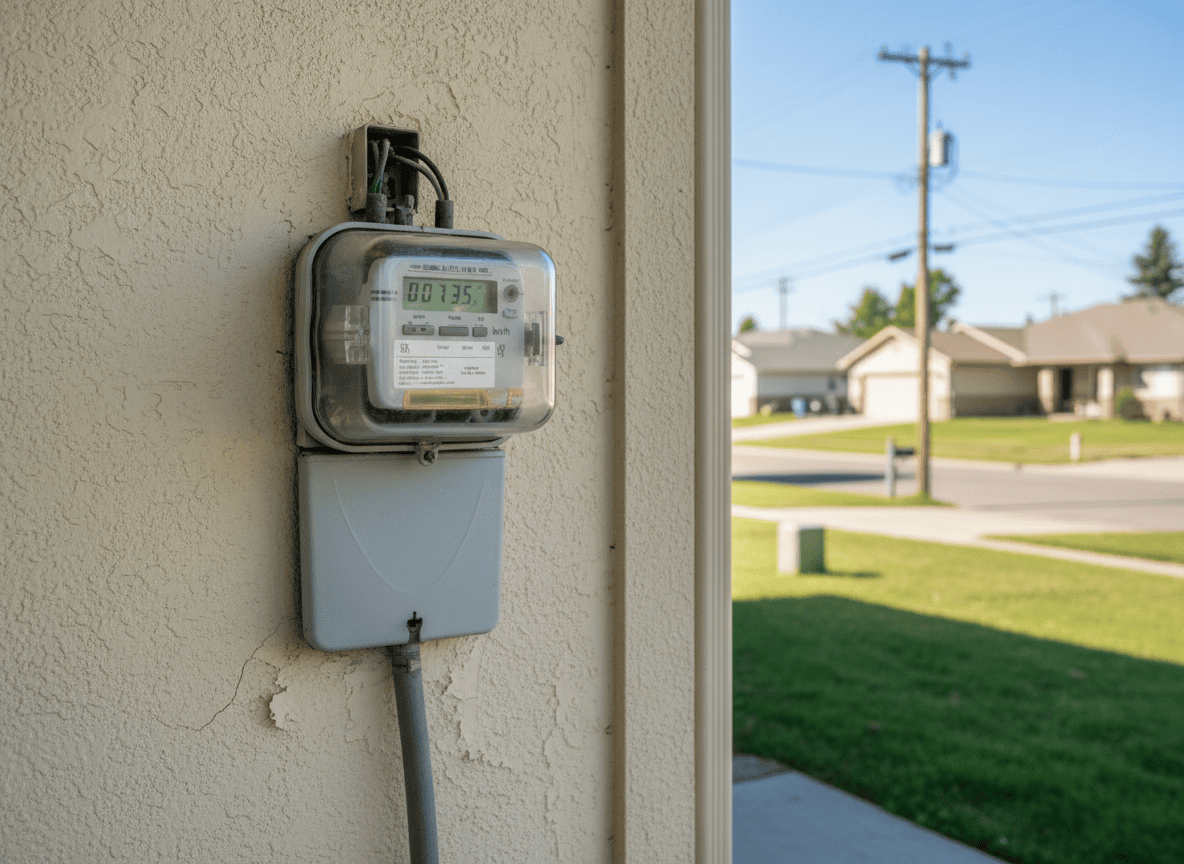
The report’s more immediate concern for homeowners is cost, not appreciation. Sixty-one percent of Realtors surveyed said their clients had expressed worry about rising energy costs tied to nearby data centers, and 56% said clients raised concerns about water use, since many facilities rely on water-based cooling systems. Those worries track with actual utility bills: residential electricity rates in high-concentration data center counties rose 21.4% between 2020 and 2024, compared with 15.7% in counties without any facilities.
Agents Are Split on What It Means for a Sale
When NAR asked agents directly whether nearby data centers had changed home values in their own market, the responses split down the middle. Sixteen percent said values had risen by at least 5% because of a nearby facility, while 11% said values had fallen by a comparable amount — hardly a consensus either way. What the data does show clearly is that the counties where AI infrastructure has concentrated were, for the most part, already expensive places to buy a house. Whether that premium holds as more facilities come online, and as electricity costs keep climbing alongside them, is the question NAR says its next report will need to track.