Starting a vintage collection can be exciting, but it’s easy to get overwhelmed or even fall for scams if you don’t know what to look for. Over the years, I’ve learned that the key to collecting pieces you’ll truly love—and trust—is to work with reputable dealers, do your homework on maker’s marks, and ask plenty of questions about a piece’s history. The most important step to avoid getting scammed is to verify the authenticity of the item by researching its origin, checking for genuine marks, and asking for provenance whenever possible. When you build this foundation, you can shop confidently, whether you’re browsing online or hunting at flea markets and antique shops.
I’ll share practical tips to help you spot authentic vintage pieces, understand what makes them valuable, and avoid common pitfalls. By the end, you’ll feel ready to start or grow your collection without the worry of being misled or overpaying.
Laying the Foundation for Vintage Collecting
Starting a vintage collection requires thoughtful choices and a clear plan. I found it important to focus on what types of vintage items resonate with me, understand what truly defines something as vintage, and set achievable goals to guide my collecting journey.
Deciding What to Collect
Before I began buying anything, I had to decide what drew me most. Vintage collecting covers many areas—clothing, furniture, kitchenware, artwork, and more. Picking a specific category or theme helps prevent random buying and builds a collection with meaning.
I recommend asking yourself:
- What items spark my nostalgia or interest?
- Do I prefer practical, decorative, or rare items?
- How much space do I have for storing larger pieces?
Narrowing your focus keeps your collection cohesive and manageable. It also makes researching and authenticating items easier.
Understanding What Makes Items Vintage
Not everything old is vintage. For me, vintage means items typically 20 to 100 years old that reflect the style, materials, and craftsmanship of their time. These pieces preserve history and offer unique stories.
Authenticity is key. I learned to check for:
- Provenance or origin details
- Condition and wear consistent with age
- Materials and manufacturing techniques appropriate for the era
Recognizing genuine vintage items helps avoid replicas or fakes, which is crucial for protecting your investment and ensuring your collection’s integrity.
Setting Your Collecting Goals
I set specific goals to keep my vintage collecting focused and enjoyable. These include:
- Budget limits to avoid overspending
- Target number or types of pieces to acquire each year
- Prioritizing condition and uniqueness over quantity
Having clear goals helped me avoid impulsive buys and guided me toward items that truly fit my vision. It also encourages patience, since building a thoughtful vintage collection takes time and care.
By defining what I want, knowing what vintage means, and setting how I collect, I laid a strong foundation for a meaningful and scam-free vintage collection. For more detailed tips on starting your collection, check out this beginner’s guide to collecting vintage items.
Sourcing Authentic Vintage Pieces Safely
Finding genuine vintage items means knowing where and how to look carefully. Whether you’re browsing a flea market or scrolling through an online marketplace, there are clear steps to avoid fakes and bad deals while enriching your collection with meaningful pieces.
Choosing Reputable Sellers and Dealers
I always start by looking for dealers with a solid reputation. Antique shops, vintage stores, and established dealers who participate in vetted fairs or sell on trusted platforms usually offer authenticated pieces. Their experience often means they can provide provenance details or documentation if available.
If I’m buying from individual sellers or smaller shops, I ask a lot of questions about the piece’s history and condition. It’s smart to check reviews and, if possible, get recommendations from other collectors. Trustworthy sellers don’t hesitate to show you pre-restoration photos or proof of authenticity.
Tips:
- Prefer sellers with decades in the business.
- Look for memberships in antique associations.
- Verify previous customer feedback.
Exploring Vintage Markets and Shops
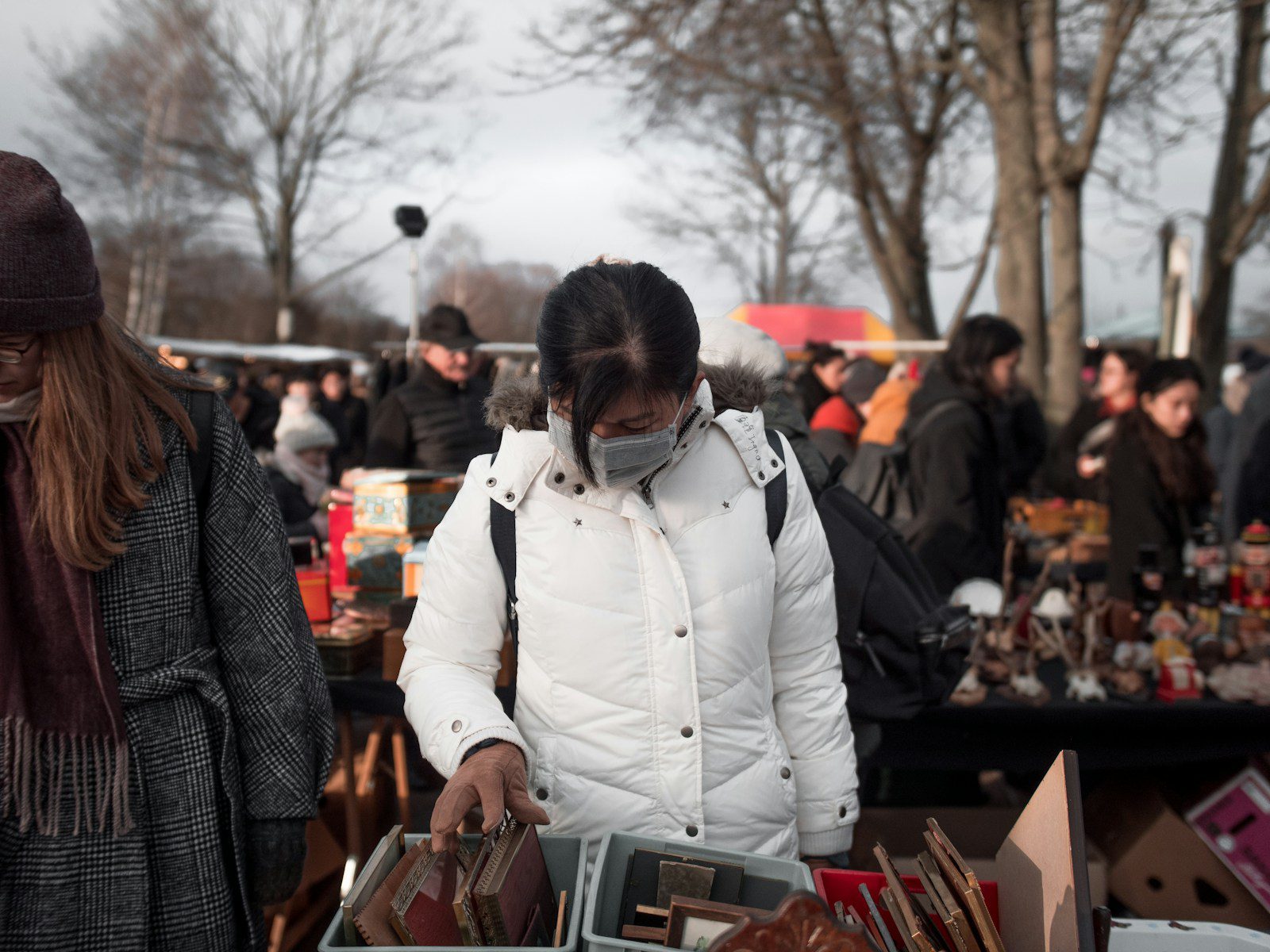
Flea markets, thrift stores, estate sales, and antique fairs are charming places to discover vintage treasures. I love the thrill of the hunt here, but it takes patience and a discerning eye to spot quality items among the crowd.
When shopping at flea markets or thrift stores, I focus on craftsmanship and materials rather than just the look. Older furniture often has tool marks and hand-applied finishes you won’t find in reproductions. At estate sales and antiques fairs, I take time to inspect each piece carefully and negotiate with confidence if needed.
Checklist before buying at markets:
- Confirm material authenticity (ex. horsehair stuffing vs. foam).
- Look for maker’s marks but verify their legitimacy.
- Avoid items with fresh paint covering potential flaws.
Buying Online: What You Need to Know
Online marketplaces like eBay and Etsy offer massive vintage selections, but they also require extra caution. I always review seller ratings, check for detailed photos from multiple angles, and read item descriptions thoroughly. If something looks too perfect or cheap, I stay skeptical.
Reputable online dealers usually provide provenance or restoration history. Asking for extra photos, including pre-restoration shots, can save me from surprises. Shipping costs and return policies are also vital to confirm before purchase to avoid extra hassle.
Remember:
| Do | Don’t |
|---|---|
| Research sellers carefully | Rush into buying rare finds |
| Ask for detailed photos | Rely solely on seller claims |
| Compare prices across sites | Ignore shipping and return terms |
Engaging With the Vintage Community
Connecting with other collectors through forums, social media groups, or local vintage community events helps me learn faster. Experienced mentors can offer priceless advice, warn me about common scams, and even point me to reliable dealers or hidden gem sales.
Joining auctions or vintage fairs opens opportunities to network and improve my appraisal skills by observing bidding and negotiation tactics. Sharing knowledge and stories about finds creates a supportive atmosphere where newcomers and experts alike benefit.
Ways to engage:
- Attend local or online vintage meetups.
- Join collector groups on platforms like Instagram or Facebook.
- Seek mentorship from experienced vintage enthusiasts.
Avoiding Scams and Spotting Genuine Pieces
Starting with vintage pieces can be exciting, but it’s easy to get tripped up by fakes or misrepresented items. Knowing how to carefully research, identify telltale signs, and ask the right questions makes a big difference in finding authentic collectibles that are worth your investment.
Researching Authenticity and Provenance
When I first got into vintage collecting, I learned that understanding an item’s history—its provenance—is crucial. Provenance provides a paper trail that shows previous owners, sales records, or even exhibitions. Authentic pieces often come with well-documented provenance, while fakes typically don’t.
I always check for any certificates, receipts, or expert documentation. Beyond paperwork, I look for the maker’s mark or manufacturer’s signature, which can often be found stamped or engraved on the item. These details can be cross-referenced with databases or expert records to confirm authenticity.
Researching also means learning about the era and materials used. For example, some plastics only appeared after a certain year, so a claimed vintage piece made of modern materials raises a red flag.
Signs of Fakes and Reproductions
One thing I watch for is the quality of materials and craftsmanship. Reproductions often use cheaper materials or shortcuts that don’t match the original production process. For instance, hand-painted details might be blurred or inconsistent on a fake.
I look closely at wear patterns too. Authentic vintage items show natural aging like small cracks, fading, or tarnishing. If a piece looks too new or its condition doesn’t match its purported age, it’s a warning sign.
Printing flaws, misplaced labels, and altered or forged signatures are common in counterfeit collectibles. I’ve learned to carefully inspect prints, labels, and signatures for consistent ink colors, fonts, and stroke styles.
Evaluating Condition and Rarity
Condition matters a lot, but it’s a balance. Perfect condition on a hundred-year-old piece is unusual and could indicate restoration or reproduction. I look for preservation signs like repaired cracks or replaced parts and consider how much that affects value.
Rarity greatly influences price and desirability. Items with limited production runs, unique maker’s marks, or ties to historic events tend to be more valuable. I use reference guides and auction sales data to understand how rare the item is.
When evaluating a vintage piece’s condition and rarity, I take notes, photos, and compare with trusted sources. This helps me make informed decisions and avoid overpaying.
Asking the Right Questions
Whenever I consider buying, I ask sellers specific questions about the piece’s history, previous owners, and any repairs or restorations. Details like “Where did this come from?”, “Has it been restored?” and “Is there proof of authenticity?” are non-negotiable.
I also ask for close-up photos of maker’s marks, signatures, and any damage. If anything feels vague or the answers aren’t clear, I step back. A reputable seller will understand these questions and provide transparency.
If possible, I get a second opinion from an expert or consultant. Sometimes a quick expert look can save you from a costly mistake. Asking the right questions can uncover hidden flaws or confirm genuine value before you commit.
For more detailed strategies on spotting fakes and ensuring authenticity, you might find this guide helpful on spotting fake collectibles.
Building and Preserving Your Vintage Collection
Taking good care of vintage pieces is key to maintaining their beauty and value. Knowing how to store, track, and display items properly helps protect your collection and lets you enjoy it fully. I focus on safe storage methods, keeping an eye on market trends, and showcasing pieces in ways that highlight their character.
Proper Storage and Care
I always store my vintage finds away from direct sunlight to prevent fading, especially with delicate items like vintage clothing or vinyl records. Controlling humidity is crucial—I use silica gel packs or dehumidifiers to avoid mold and damage, which is especially important for wooden mid-century modern furniture or art deco pieces.
For kitchenware and textiles, I wrap them in acid-free tissue paper to prevent discoloration and deterioration. Handling items with clean hands or gloves helps avoid oils that can cause stains or wear. I avoid harsh cleaning agents, opting instead for gentle dusting with soft cloths or brushes. Keeping original packaging whenever possible adds extra protection and value to the piece.
Tracking Value Over Time
I keep a simple spreadsheet tracking each item’s purchase price, date, and condition. This lets me watch how my collection’s value changes. For example, mid-century modern furniture has been gaining popularity, so I pay close attention to auction results and resale prices online.
I also subscribe to newsletters and follow reputable vintage and antique forums to spot trends. Items like art deco jewelry or rare vinyl editions can fluctuate in value due to demand and rarity. Knowing an item’s provenance and authenticating it helps maintain or increase its worth, so I keep any certificates or documentation safe with the pieces.
Displaying Your Finds
When I display my vintage collection, I aim for a balance between aesthetics and protection. For fragile or high-value items like vintage kitchenware or art deco glass, I use closed display cases with UV-protective glass to minimize dust and light exposure.
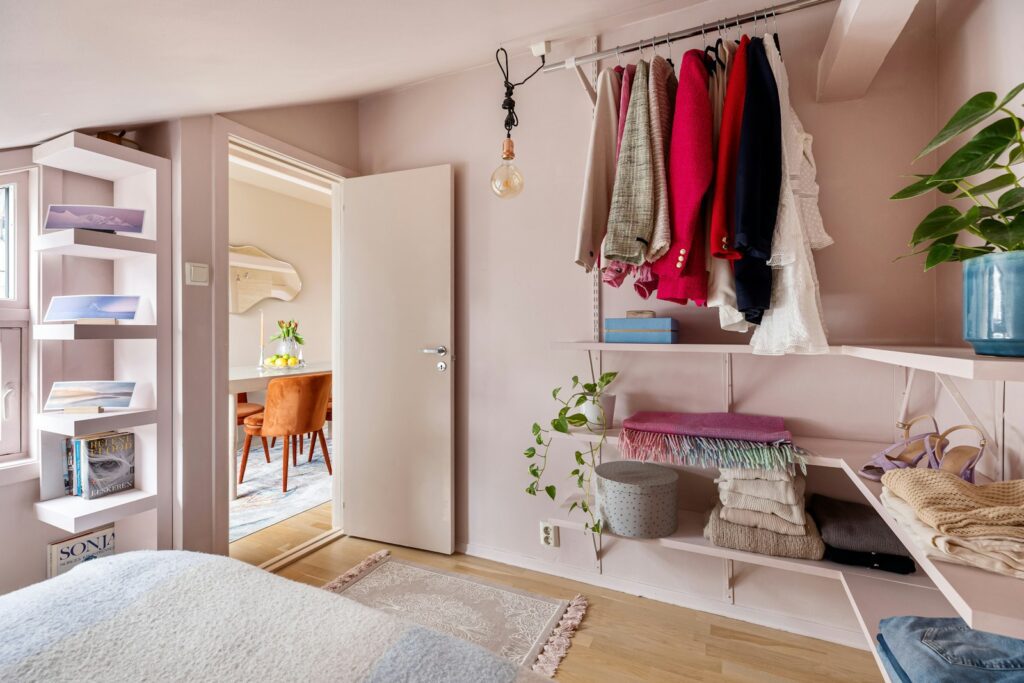
For mid-century furniture, I position pieces in rooms where they are appreciated but not at risk of damage from heavy traffic or pets. I like to group similar items—vinyl records near a vintage turntable, or vintage clothing on a stylish rack—to create themes that tell a story.
Using shelves lined with acid-free paper or felt protects items from scratching. I switch displays seasonally to both freshen my space and reduce extended wear on any one piece.