

You’re facing a clear, practical task: clear out decades of stuff so your children won’t inherit a tangled, time-consuming job. You’ll learn simple, do-able steps that make decluttering feel manageable and respectful of memories.
This article guides you through gentle, realistic choices—small wins that build momentum, ways to share keepsakes, and options for handling things you no longer need. You’ll leave with a plan that fits your pace and priorities.
Start small with one room to avoid feeling overwhelmed

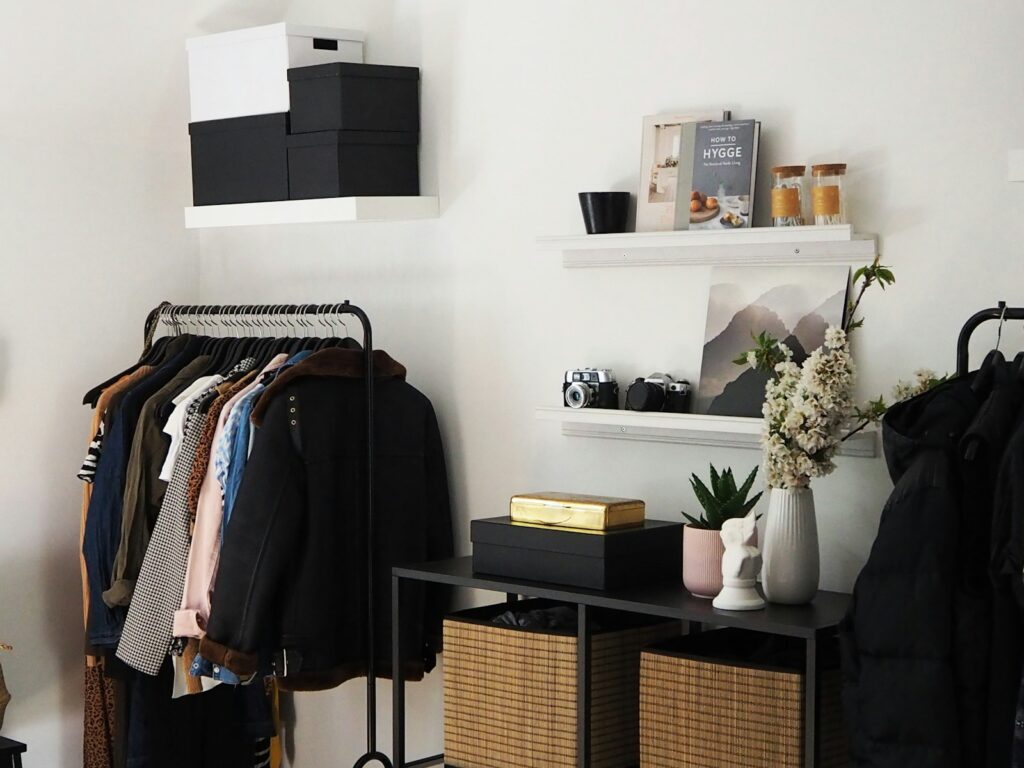
Pick one room where you spend the most time and focus there first. Small wins build momentum, and you’ll notice real change after just an hour.
Set a timer for 20–30 minutes and tackle one drawer, shelf, or corner. Give yourself permission to stop when the timer ends.
Keep a donate bag and a discard bag nearby so decisions stay simple. Celebrate progress—your kids will thank you for making the job easier.
Sort items into keep, donate, and toss piles
Start with a small area so you don’t get overwhelmed. Pick up each item and ask if it serves you now; if yes, keep it.
Place things you no longer use but are in good shape into a donate pile. Schedule a drop-off or pick-up right away to prevent second-guessing.
Throw away broken, stained, or unsafe items. For ambiguous pieces, use a short trial box — revisit in 3 months and decide then.
Give away books and collectibles to friends or charities
Sort books and keepsakes into piles: friends who’ll appreciate them, local charities, and items to sell.
Ask family and neighbors first — handing things to people you trust keeps memories alive.
Contact nearby organizations to confirm what they accept and drop-off hours. For ideas on where to donate books, check a national list of places that accept used books (https://becomingminimalist.com/20-places-to-donate-used-books/).
Label boxes clearly so recipients know if items are fragile or need special care.
Digitize old photos and important documents
Start by sorting what matters most: family photos, legal papers, and medical records. Use a flatbed scanner or a phone app and scan at a high resolution so details stay clear.
Label files with dates and names as you go to make them searchable. Back up copies to an external drive and a cloud service for safety.
Consider a professional service for fragile albums. That saves time and preserves delicate originals without risking damage.
Label boxes clearly for easy sorting later
Label each box with the room and a short contents list so you can find things fast. Use large, dark markers and write on the top and two sides for visibility.
Add stickers or colored tape for priority boxes—essentials get one color, donations another. Include a brief “open first” note on anything you’ll need right away.
Number boxes and keep a simple inventory list on your phone or a notebook to avoid guessing later.
Keep sentimental items but limit the quantity
Decide how many of each type of keepsake you really want to keep. Choose a small, fixed number for things like photos, cards, or ceramics so your collection stays meaningful instead of overwhelming.
Store extras digitally when possible; scan photos and documents to save space. Let your children know what you kept and why, which makes handing things down easier and less surprising.
Hire a professional organizer if needed
If the project feels overwhelming, hire a professional to help you sort and set priorities.
They bring systems, supplies, and nonjudgmental hands to make steady progress.
A pro can work with you at your pace and help decide what to keep, donate, or discard.
Look for local organizers with experience helping seniors, like those listed at Me In Order (certified organizers) or TaskRabbit for flexible, task-based help.
Involve your kids to share memories while decluttering
Invite your kids to go through boxes together; ask them what each item reminds them of.
Let them tell stories while you sort — the conversation can make decisions easier.
Pick a few things to keep because of the story, and let the rest be donated or photographed.
Create a small memory box together so everyone has a tangible keepsake without keeping everything.
If an item sparks a strong memory, pause and record the story on your phone.
That way memories stay even when the object goes.
Set realistic daily or weekly decluttering goals
Pick small, specific tasks you can finish in 10–30 minutes to build momentum.
Aim for one drawer, one shelf, or a single bag of items each day rather than whole rooms.
Schedule longer weekly sessions for tougher areas like the attic or garage.
Keep a simple checklist and mark progress—seeing checked items helps you keep going.
Adjust goals to how you feel; some days you’ll do more, some less.
Celebrate small wins and remind yourself this saves your family time and stress later.
Use storage bins to organize remaining items
Pick clear bins so you can see contents at a glance and label lids for quick retrieval.
Group like items together—seasonal clothes, paperwork, and keepsakes—so your kids won’t need to guess later.
Stack uniform-sized bins to save space, and keep a small inventory list taped inside one bin for valuables.
Choose breathable fabric bins for linens and plastic for things that need moisture protection.
Consider donating or recycling bins you no longer need to avoid passing clutter along.
More from Decluttering Mom: