It starts so innocently. Your child comes home with a painting still damp from the classroom, a spelling test with a gold star and a macaroni necklace that is shedding noodles on the kitchen floor. Of course you keep it. You tape it to the fridge, and then it moves to a drawer, and then to a bin, and then to another bin. Fast forward a few school years and you have a paper avalanche taking over the closet, and every time you think about sorting it, you feel a pang of guilt. Throw away your child’s work? Never.
Here is the truth: keeping every single sheet is not a kindness to your child or to yourself. It backfires fast, and there is a much better way to honor those little masterpieces.
Why Saving Everything Backfires
Kids bring home a steady stream of paper, and school years are long. When you save it all, the pile grows faster than you can manage. Soon it spills out of the bins you set aside, and the papers get crushed, bent and mixed together. The special pieces end up buried under worksheets nobody will ever look at again.
Then comes the hard part. A giant mountain of paper is so overwhelming that you avoid sorting it at all, so it just keeps growing. Paper left in a damp basement or a hot attic can also get moldy, faded or damaged, which means that the treasures you meant to protect may not last anyway.
And think about the future. One day your child may enjoy looking through a box of favorite memories. Almost no one wants to dig through a mountain of everything. A smaller, well-chosen collection gets looked at and loved. A huge pile gets ignored.
The One Box Per Child System
The idea is simple. Give each child one box, bin or file container, and that is the limit. Choose a size that fits comfortably on a closet shelf and label it with your child’s name. Whatever fits in the box can stay. When it is full, something has to go before something new can go in.
The limit does the hard work for you. You are no longer deciding whether to keep each paper. You are only deciding which pieces are the best, and that is a far easier and more pleasant question.
Make It a Simple Routine
- Set up a landing spot. Pick one place, like a basket or a tray near the door, where all school papers go first. This keeps them from spreading across the counter and the table.
- Sort once a week or once a month. Pick a time that works for you. Look through the basket and sort into three groups: keep, photograph and recycle.
- Keep the real treasures. These might be a favorite drawing, a piece of writing that shows your child’s personality, or a special project. Put them in the box.
- Photograph the rest. For the big art pieces and the things you enjoy but cannot store, take a quick picture with your phone. You keep the memory without the paper.
- Recycle the leftovers. Worksheets, duplicates and routine assignments can go. Do not feel bad about it. They did their job when your child learned from them.
- Do a yearly review. At the end of the school year, go through the box and keep only the very best from that year. This keeps your collection from growing out of control.
Tips for Photographing Artwork
A phone is all you need. Lay the piece on a flat surface near a window, where there is plenty of natural light, and take the picture straight on so the edges are even. For big pieces, hold the phone as steadily as you can and make sure the whole piece is in the frame. Store the photos in a folder on your phone or computer, and you could sort them by school year. Many families like to turn their favorite photos into a printed photo book, so the memories can be flipped through at the kitchen table. Back up your pictures so they are safe.
Let Your Child Help
Kids are often happy to have a say. Ask your child to pick a few favorites for the box, and let them explain why they chose them. It teaches them to decide what matters, and it takes some pressure off you. Younger children may be proud to help, and you may be surprised at what they choose. Their picks are not always the ones you would expect.
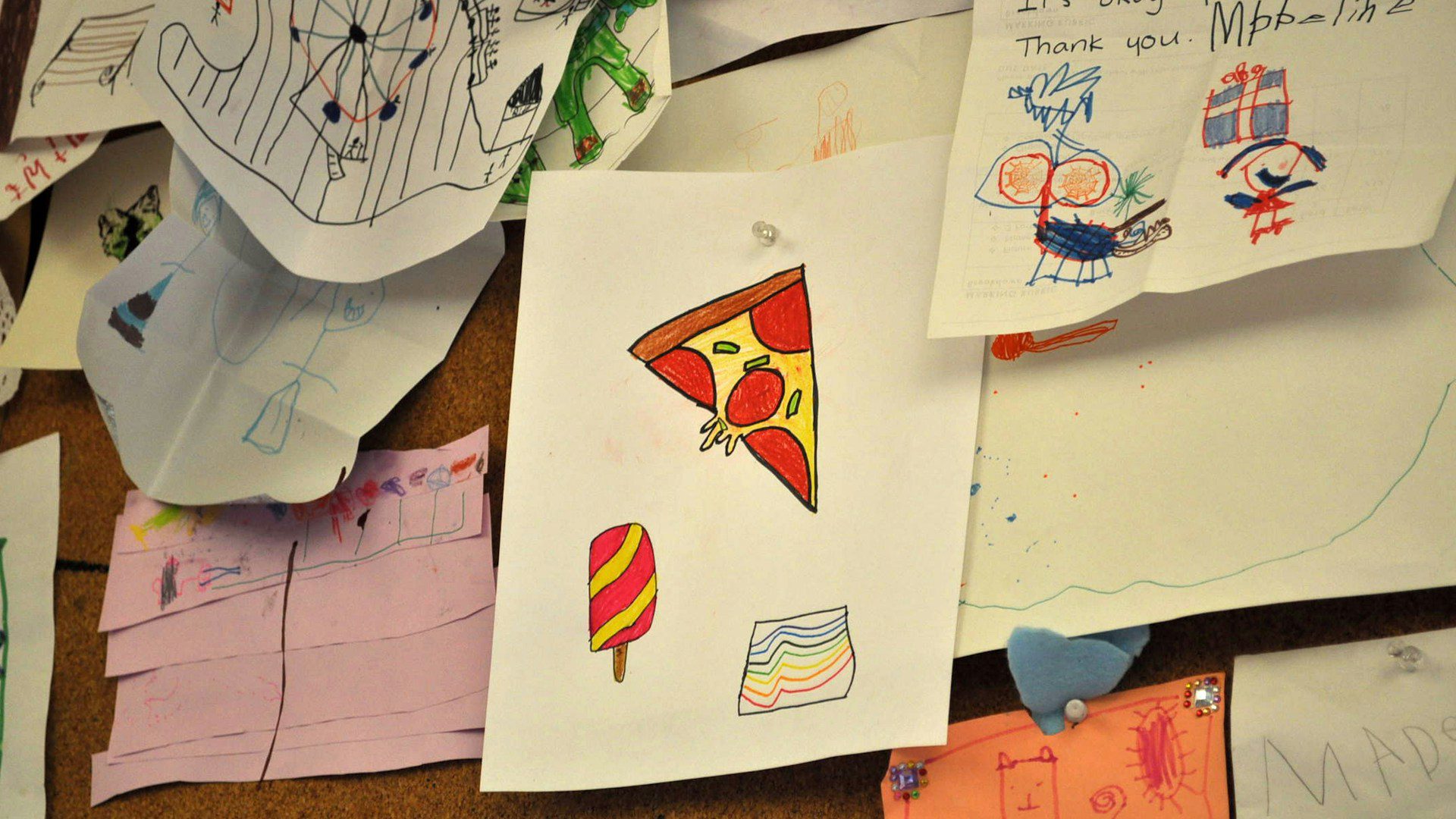
Some parents also like to display current artwork on a rotating gallery, such as a string with clothespins or a cork board. When a new piece goes up, the old one comes down and is either photographed, kept in the box or recycled. Your child gets to see their work celebrated, and your fridge stays tidy.
Letting Go Without the Guilt
It is normal to feel a tug when you drop a drawing in the recycling bin. Remember that your child cares about being loved and encouraged, not about the paper itself. Praising a picture, hanging it up for a while and talking about it is what matters most. The memory of that moment is what you are really saving, and a photo and a small box of favorites will do that job beautifully.
So grab a basket, pick a box and start small. Your closet will be lighter, your conscience will be clear, and the artwork you love will finally get the attention it deserves.
More Stories You May Like
- School Tells a Parent to Stop Making Their Kid Good Lunches Because Other Kids Are Jealous and Parents Are Furious
- Reseller Shares a Hack for People Who Do Not Want to Hold Inventory and Still Want to Make Money
- Seven Items That Sell Almost Instantly Are Listed by a Reseller Who Says Most People Do Not Know What They Have