A Kroger shopper who goes by @emilyelvia says the package she bought was labeled 3 pounds, yet it did not even reach two and a half pounds when she put it on a scale. She read out her numbers, questioned what was going on, and said she would like the store to send her some gift cards to make up for it.
It is a small grocery problem with a big question behind it. When the number on the label and the number on the scale disagree, what is a shopper supposed to do? Here is what she shared, and what any family can do when a package does not seem to add up.
@emilyelvia
What the Shopper Says Happened
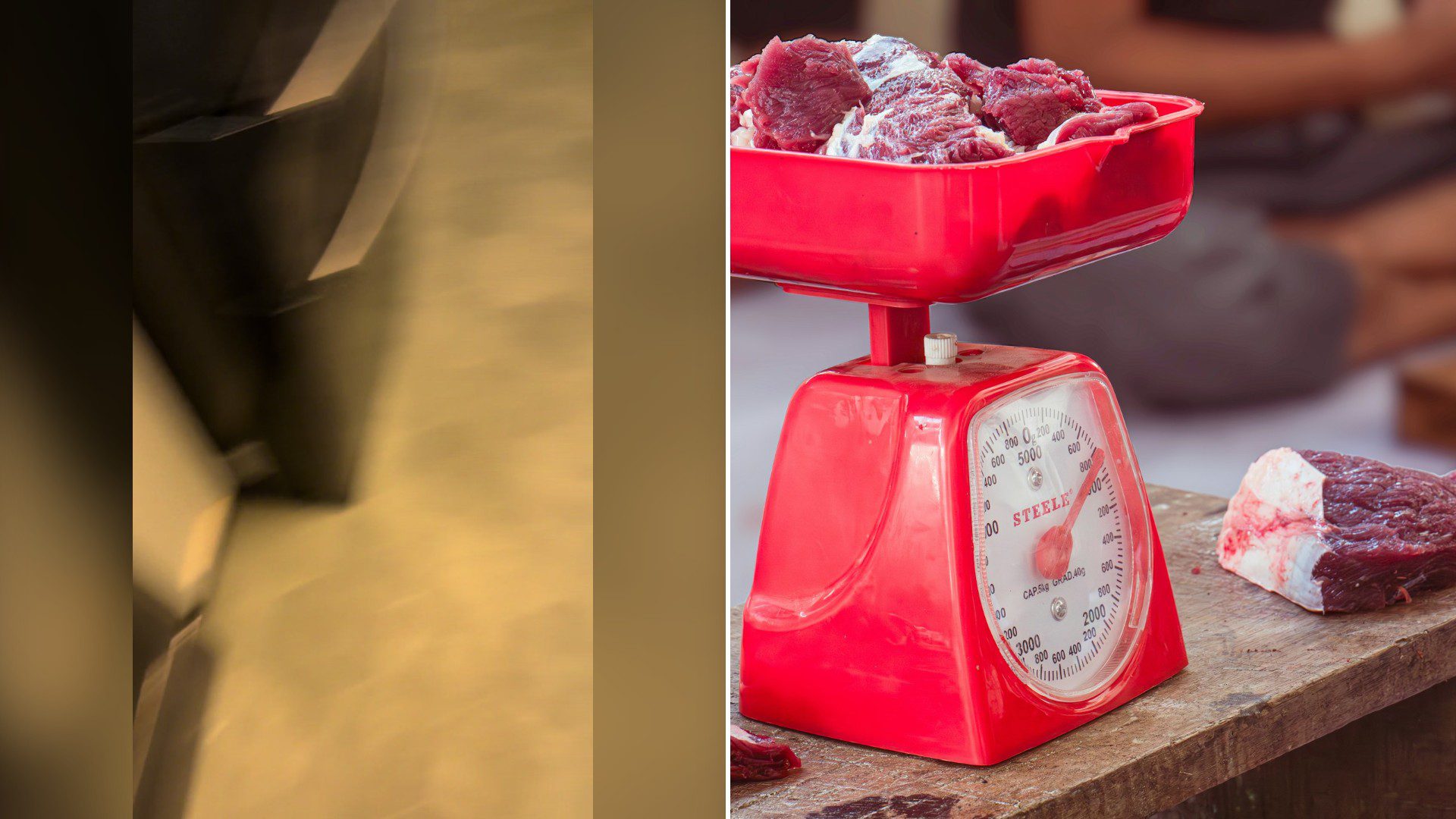
According to @emilyelvia, the label on her Kroger purchase said 3 lbs. She weighed it and reads out two figures from her scale, 1 pound 8.1 ounces and 14.2 ounces. If both readings belong to the same package, they add up to 38.3 ounces, which is a little over 2 pounds 6 ounces. A true 3 pound package would weigh 48 ounces, so the difference would be nearly 10 ounces.
In her own words, she asks what is going on at Kroger and points out that the package is not even two and a half pounds.
The product itself is not named in what she shared, and she does not say what she paid or whether she has contacted the store. This is her side of the story, and nothing from Kroger is included, so the reason for the gap remains unknown.
Why Ounces Matter at the Checkout
Most shoppers do not think in ounces, but grocery pricing is built on weight. If a package is priced as though it holds three pounds and it holds less, the real price per pound is higher than the label suggests. Shave ten ounces off a three pound package and you have lost roughly a fifth of the food you thought you were buying.
The effect grows for families who stock up. A household that buys the same staple several times a month could pay for a lot of missing food over a year without ever noticing, simply because few people weigh groceries once they get home.
How Weight Labels Generally Work
Packaged food in the United States is typically labeled with a net weight, meaning the weight of the food and not the bag, tray or box around it. Because some products hold moisture or ice, and because filling machines are never perfect, rules generally allow small natural variation from one package to the next. A noticeably light package is the kind of thing consumers can report.
State and local weights and measures offices are the agencies that typically check scales and packaged goods for accuracy. If a store cannot explain a difference, contacting one of those offices is a reasonable next step, and many accept complaints from the public.
Shrinkflation Versus Short Weight
The word shrinkflation appeared in the caption she wrote, so it is worth explaining. Shrinkflation is when a company reduces the amount in a package while keeping the price steady or raising it, and the label is updated to show the smaller amount. A 16 ounce item becomes a 14 ounce item, and the new number is printed on the front.
Short weight is a different problem. The label promises one amount and the package holds less. That is a mismatch between what was advertised and what was delivered, and it is the kind of thing stores usually want to hear about.
Tips for Shoppers Who Think a Package Is Light
A few simple steps make a weight complaint much easier for a store to act on.
- Keep the receipt and the packaging, including the label that shows the stated weight.
- Weigh the food on a kitchen scale and note whether the label refers to the food alone or includes the container.
- Check the unit price on the shelf tag before buying so you know what you pay per pound or per ounce.
- Take a photo of the label and the scale reading so the numbers are on record.
- Bring the item back soon, while the purchase is recent and the receipt is easy to find.
- Be polite and specific. Say what the label claims, what your scale shows and what you would like the store to do.
- If the store cannot help, contact the company directly or your local weights and measures office.
- Compare similar products now and then to see whether weights and prices are consistent.
Speaking Up Is Reasonable
Whether Kroger offers gift cards is something only the store can decide. What this story shows is that shoppers are paying close attention to the numbers on their groceries, and many feel they have good reason to.
If you find a mismatch like the one @emilyelvia describes, you are not being picky by raising it. Checking what you bought, keeping your receipt and asking a store to explain a difference is a normal part of careful shopping. A calm, clear request with the numbers in hand is usually the quickest way to a fair answer.
More from Decluttering Mom
- Shopper Says Aldi Announced Price Cuts for the Fall Season and Shows Which Items Dropped and What the Savings Could Mean for Your Grocery Bill
- Mom of Four Spends $1,500 on One Grocery Haul and Says It Feeds Her Family of Six for Four to Five Weeks
- Mom Documenting Her Ongoing Series on Bulk-Buying Household Staples at Sam’s Club Just Shared Exactly How Much She’s Actually Saved So Far This Year