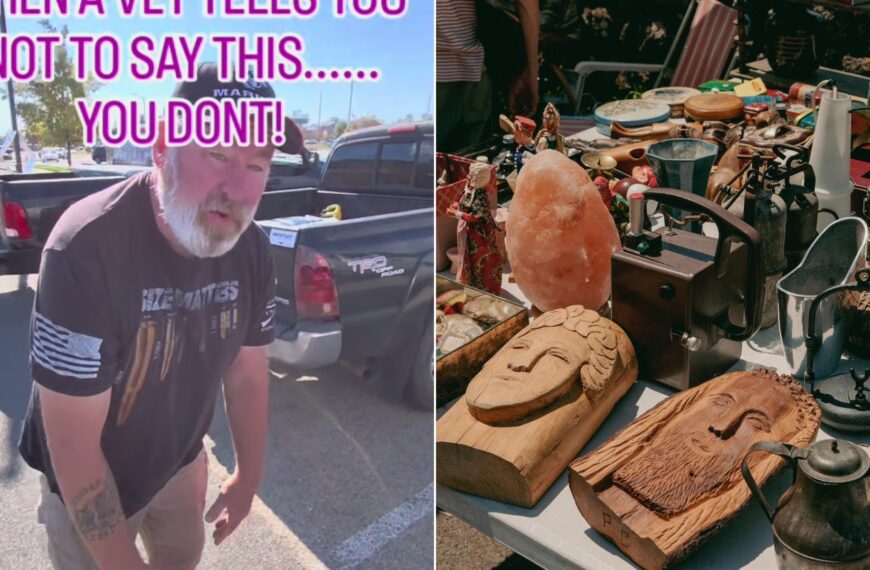
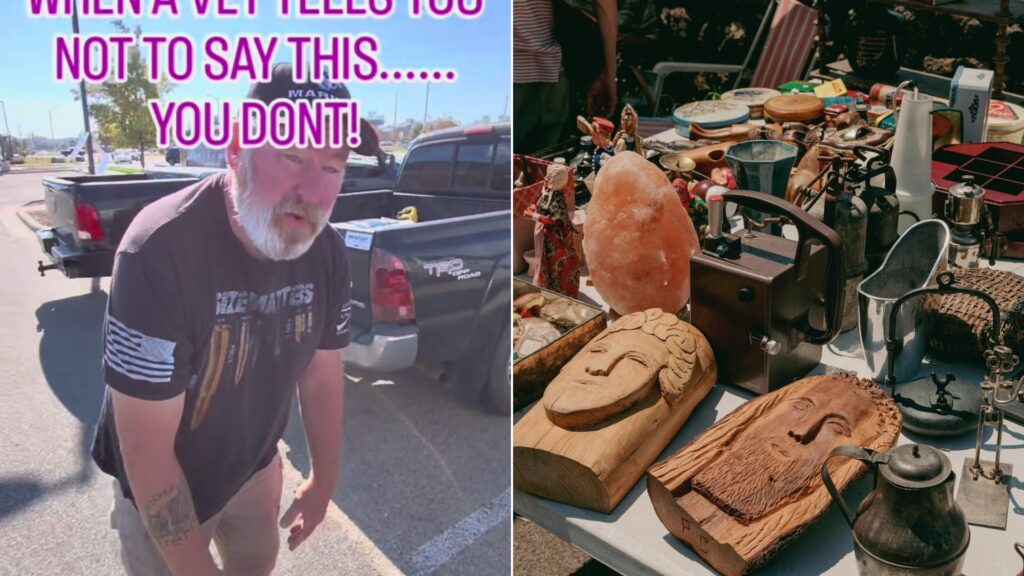
Longtime thrifters have been grumbling for a while, and one reseller says it out loud. “I don’t care what any of you guys say anymore,” the creator begins.
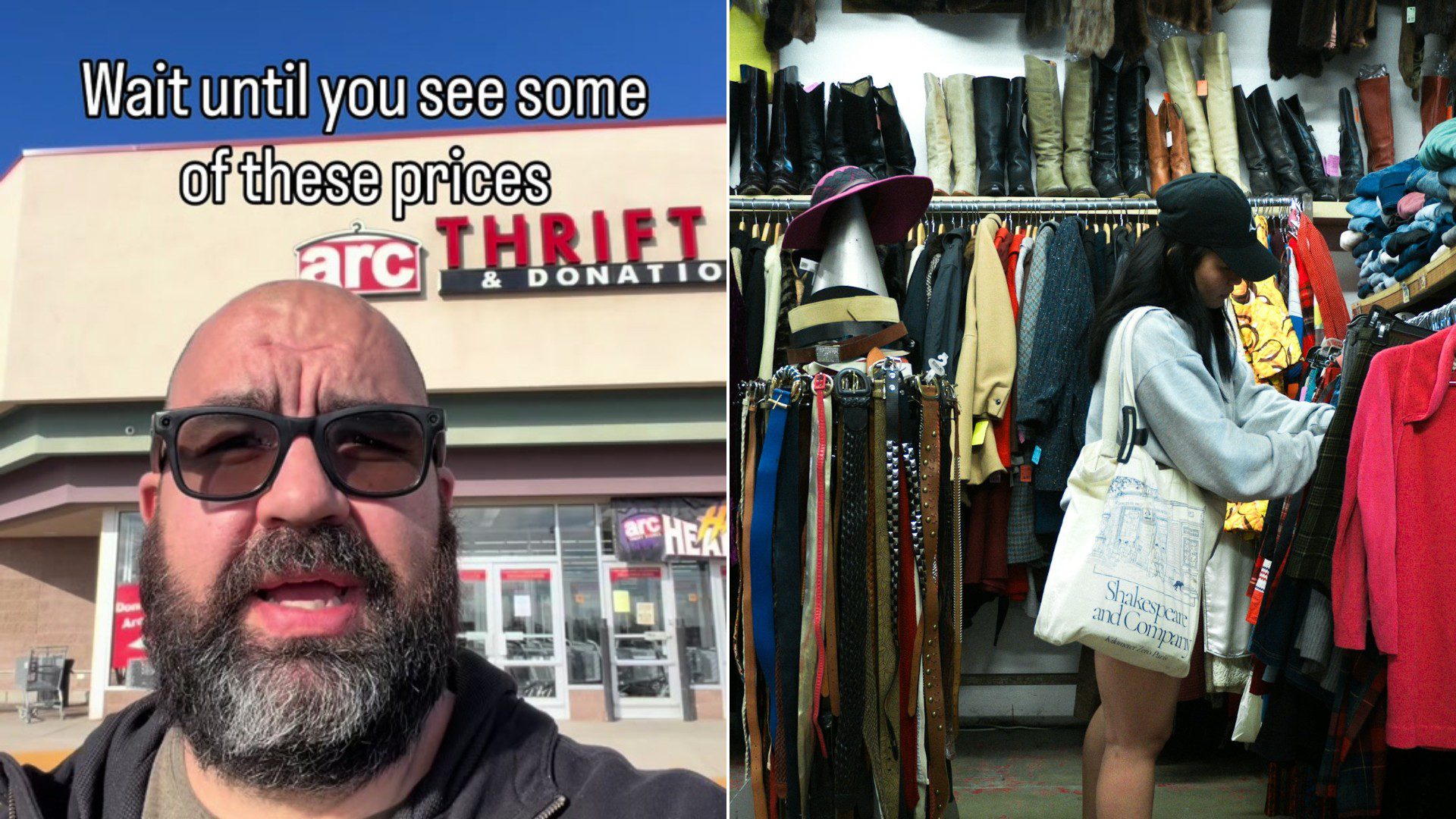
In a TikTok video, @hustlinghankflips says, “I’ve been doing this a long time,” and declares that “this is not a thrift store anymore.”
@hustlinghankflips
The complaint comes with a spicy claim. “They’re all retail stores guys,” the creator says. “They’re getting free product. They’re overcharging.”
“They’re All Retail Stores Guys” Says Longtime Reseller
The creator does not mince words. The message is that the stores have changed, and the verdict is blunt: “It’s getting crazy.”
Next comes a promise to show the prices: “I mean look at some of these prices.” For anyone who has stood in a thrift aisle holding a used item with a surprisingly high tag, the frustration will sound familiar.
Creator Says Stores Are Getting Free Product And Still Overcharging
The sharpest part of the argument is the idea that stores receive free product, yet still price it like retail. That is the heart of the gripe.
Many charity thrift operations do receive donated items, which is part of why shoppers expect low prices. At the same time, those stores have real expenses such as rent, staff, and trucks, and many use sales to fund programs. That tension is why the price debate never really goes away.
Why Prices Feel Higher Than They Used To
More shoppers are buying secondhand than ever before, and stores have noticed. Demand pushes prices up, and so does competition from resellers who scan racks for items to flip.
Stores also use pricing tools and check online sold prices for brand names and collectibles. Items that once went for a few dollars may now carry a tag that reflects what they could fetch elsewhere.
What It Means For Resellers And Everyday Shoppers
For a reseller, tighter margins are the biggest headache. When you pay more at the register, you earn less after fees and shipping, and some items stop being worth buying at all.
For everyday shoppers, the change hits the budget. Families who rely on thrift stores for clothing and household goods feel every extra dollar.
How To Keep Finding Deals Anyway
There are still ways to come out ahead. Savvy shoppers adjust their strategy instead of giving up.
- Learn each store’s discount day and color tag schedule.
- Check bins, outlets, and clearance sections where items are priced by weight or marked far down.
- Compare tags to new prices, and skip anything close to retail.
- Try estate sales, garage sales, and auctions, where sellers set the price.
- Shop smaller, independent, and church-run thrift stores that may price lower.
Resellers Need To Run The Numbers Every Time
If you flip for profit, set a rule for yourself. Check sold listings, subtract fees and shipping, and only buy if you still earn a healthy margin. A common rule among resellers is to look for at least a few times your purchase price, but each person’s target differs.
Do not be afraid to walk away. Leaving an overpriced item on the shelf is not a loss. It is a smart decision.
Look Beyond The Big Chains
Local thrift shops, hospice stores, and community sales often have lower overhead and friendlier prices. Estate sale companies list photos in advance, so you can plan what to hunt for.
Online groups can help too. Buy-nothing and local swap pages let neighbors pass along items for free or next to nothing.
A Little History Behind The Thrift Store Model
Charity thrift shops began as a way to turn donated goods into money for good causes. The idea was simple: people give what they no longer need, and shoppers get a fair price while supporting the mission.
As the secondhand market has grown, the model has changed, with more stores using data and online price checks. Whether that is fair or not is exactly what shoppers are debating.
How To Make Your Donation Count
If you are unhappy about prices, you can still choose where your donations go. Many shoppers give to smaller local charities or direct their items to neighbors who need them. Others sell the best pieces online and donate the rest.
Think about which organizations match your values, and give to the ones you trust to use your goods well.
Track Your Own Price Patterns
A simple notebook can help you spot trends. Write down typical prices for common items at your favorite stores. Over a few months, you will see which locations and days give the best value, and which ones to skip.
The Thrift Debate Is Not Going Away
Some shoppers will say stores need to charge more to keep their doors open. Others will agree with this reseller that prices have gotten out of hand. Both sides have a point, and both feel strongly.
What does not change is the thrill of the hunt. Shop with a plan, know your numbers, and be ready to walk away, and the next great find may still be waiting on a shelf.
More Stories You May Like
- Thrift Reseller Teases A $5 Score From A Las Vegas Salvation Army And Says Reselling Means Being The Buyer, Photographer, Researcher, Shipper And Customer Service All In One
- Vintage Reseller Quit Her Booth In January And Says She Made Over $10,000 Selling Only Local Pickup On Facebook Marketplace, But Turning On Shipping For One Month Nearly Killed Her Local Sales
- Reseller Says Vintage Pens Are A Hidden Ebay Category With 15,000 Schaeffer Listings And Over 5,000 Sold In 90 Days, Often Costing Nothing At Estate Sales