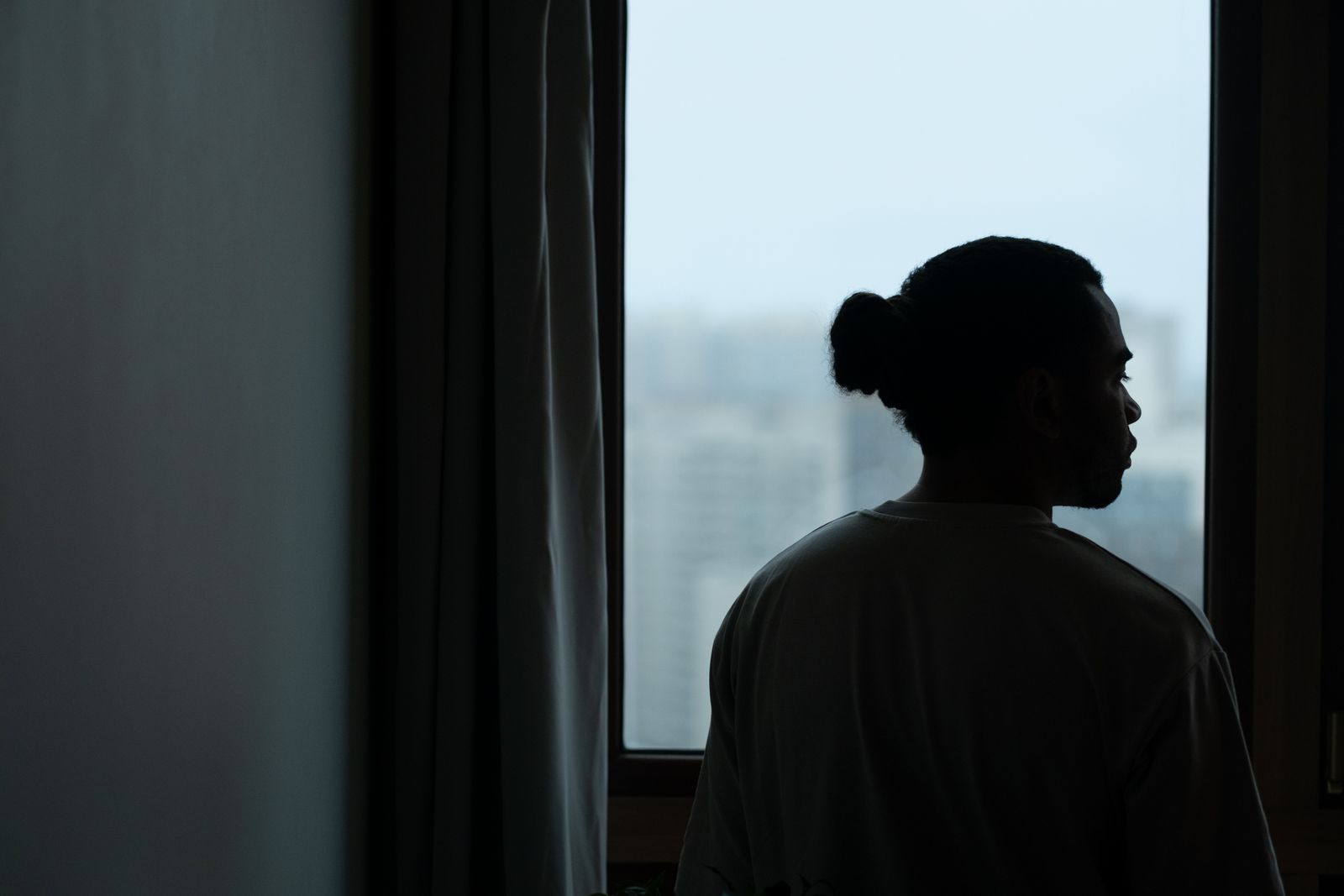
It was 1:30 a.m. when one neighbor heard the piercing screams for help, echoing through the courtyard of their residential complex. Looking out, they spotted a man crawling on the ground, desperate and in distress. He wasn’t alone; another man, later identified as the doorman, attempted to assist him, but the situation felt chaotic, with shouting and confusion surrounding the scene.
As the neighbor watched, they felt a wave of uncertainty wash over them. Although they weren’t physically fit or medically trained, they picked up their phone and dialed for an ambulance, hoping for the best while feeling completely out of their depth. The man on the ground, in his late twenties, repeatedly called out for a woman’s name and seemed to be in a state of agitation, visibly high on something that left him disoriented.

Minutes stretched on while others looked out from their windows, some offering half-hearted advice like “go to bed” instead of calling for help. Eventually, a nurse living nearby arrived with her son-in-law, bringing a flicker of hope. She rolled the man onto his side and assessed his condition, while the neighbor held a flashlight to help her examine him. Despite the unsettling signs of his distress—moaning, trembling, and foaming at the mouth—he managed to respond to her commands, signaling some awareness amidst his ordeal.
When the ambulance finally arrived, the man looked up, blinking softly as if he felt relief wash over him. Their eyes met in that brief moment, and the neighbor held onto the belief that help would come in time. But as soon as he was loaded onto the stretcher, the team inside the ambulance began administering CPR, a shift that felt stark and jarring. The entire scene shifted from one of potential recovery to grim uncertainty in a matter of moments.
Outside, time felt like it stood still as the neighbor watched paramedics fight for the man’s life. They couldn’t shake the thought that surely, he would survive. After all, he had to make it—life had to go on. Yet, when the ambulance doors closed, reality settled in. They were left with a deep sense of disquiet, grappling with the aftermath of a life lost in such a public and tragic way.
The news that followed was devastating. The man had a history of substance use, and it seemed he had mixed drugs that night, leading to an overdose. People began to share their thoughts in the aftermath. Some wondered about the role of those who witnessed the event, questioning if more could have been done or if they could have offered comfort in his last moments. Others expressed anger over the casual indifference displayed by some neighbors during the crisis.
Conversations turned to the stigma surrounding addiction and how society often views those who struggle. A few pointed out how the man’s sexuality, revealed through the doorman’s comments, complicates the narrative surrounding his death. It opened discussions on empathy and the human connections that are often overlooked in moments of crisis.
The neighbor wrestled with their own feelings, burdened by guilt for not having connected with the man in any meaningful way. They felt selfish for mourning someone they barely knew and struggled with the void left by his absence—ordering food felt hollow and smoking a cigarette became a painful reminder of the half-empty pack found in his pocket. The realization left them feeling unsettled about their own priorities, especially in a world where life can be fleeting.
As the days passed, they couldn’t shake the heaviness of it all. The encounter left them reflecting on their own experiences with mental health and disorientation, drawing parallels between their past struggles and the man’s final hours. It raised a haunting question about how many people might suffer alone, desperately reaching out for help, yet feeling invisible to those around them.
People had varying reactions to the story. Some expressed empathy for the neighbor’s emotional turmoil, recognizing the weight of witnessing such a tragedy. Others pointed out the need for more community awareness and compassion, urging bystanders to step in rather than watch from a distance. The conversation left a lingering discomfort, revealing the complexity of grief—even for a stranger.
In the end, the neighbor was left with the difficult reality of loss and the urge to understand more about the man who died that night. How does one grieve for someone they didn’t truly know? The experience prompts a deeper exploration of the human connection that binds us, even in the most unexpected of circumstances.
More from Decluttering Mom: