A parent was caught off guard when her 13-year-old daughter—a child diagnosed with PDA autism—began hurling painful words. “I hate you,” the girl declared. “Just die.” Despite knowing that these were expressions of her struggles, the parent found the hurtful comments impossible to ignore and overwhelming to bear. It was a reminder of the ongoing challenges that they faced, both emotionally and physically, in their unique family dynamic.
The mother had been raising her daughter as her own since her birth. The biological father had expressed no interest in being part of the child’s life, even offering to pay for an abortion when he learned of the pregnancy. The mother, determined to welcome her daughter into the world, decided against this option and chose to raise the child independently. For the past eight years, she poured her time and love into the girl, all while navigating the complexities of autism.
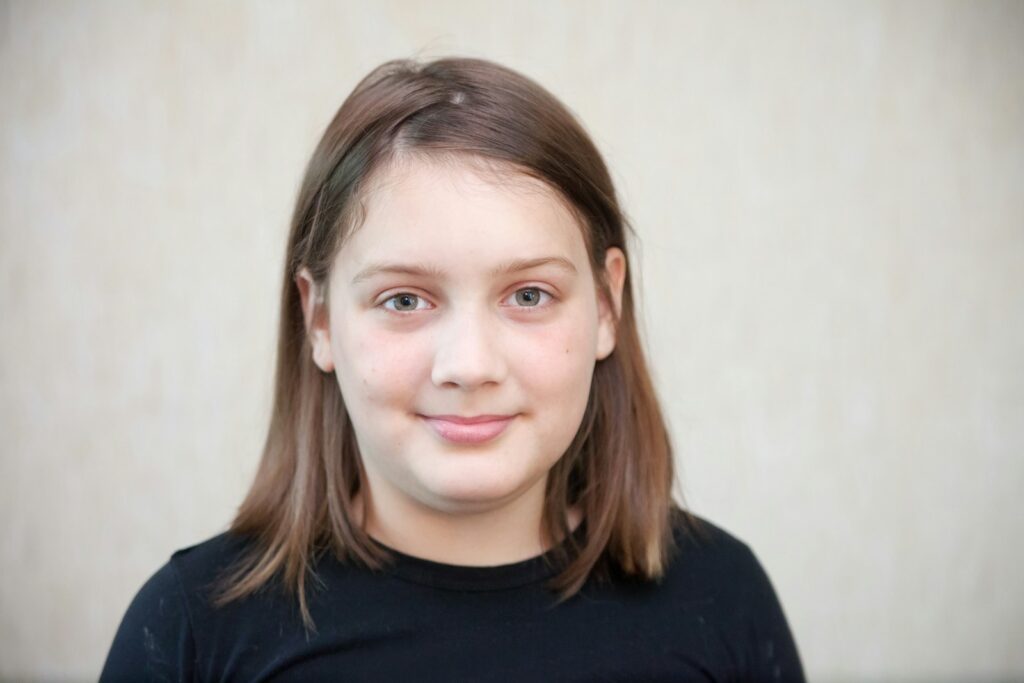
This girl had never known her biological father, and her mother had dutifully kept him updated through photos sent to his parents’ home. The father remained absent, providing no support or engagement in the child’s life. The devoted parent stepped in, treating her daughter with the love and care that any child deserves, but it wasn’t always easy. The 13-year-old has displayed a mix of behaviors typical of her PDA diagnosis, and the mother has been by her side through it all.
Even with all that support, the daughter still expressed feelings of anger and rejection. The mother described her child’s verbal attacks as a new kind of struggle—one that felt even more painful than the physical episodes that had occurred in the past. The mother’s heart ached as her daughter lashed out, and she grappled with the difficulty of being a non-biological parent in a complicated situation. There was love, but also a palpable sense of frustration and disconnection.
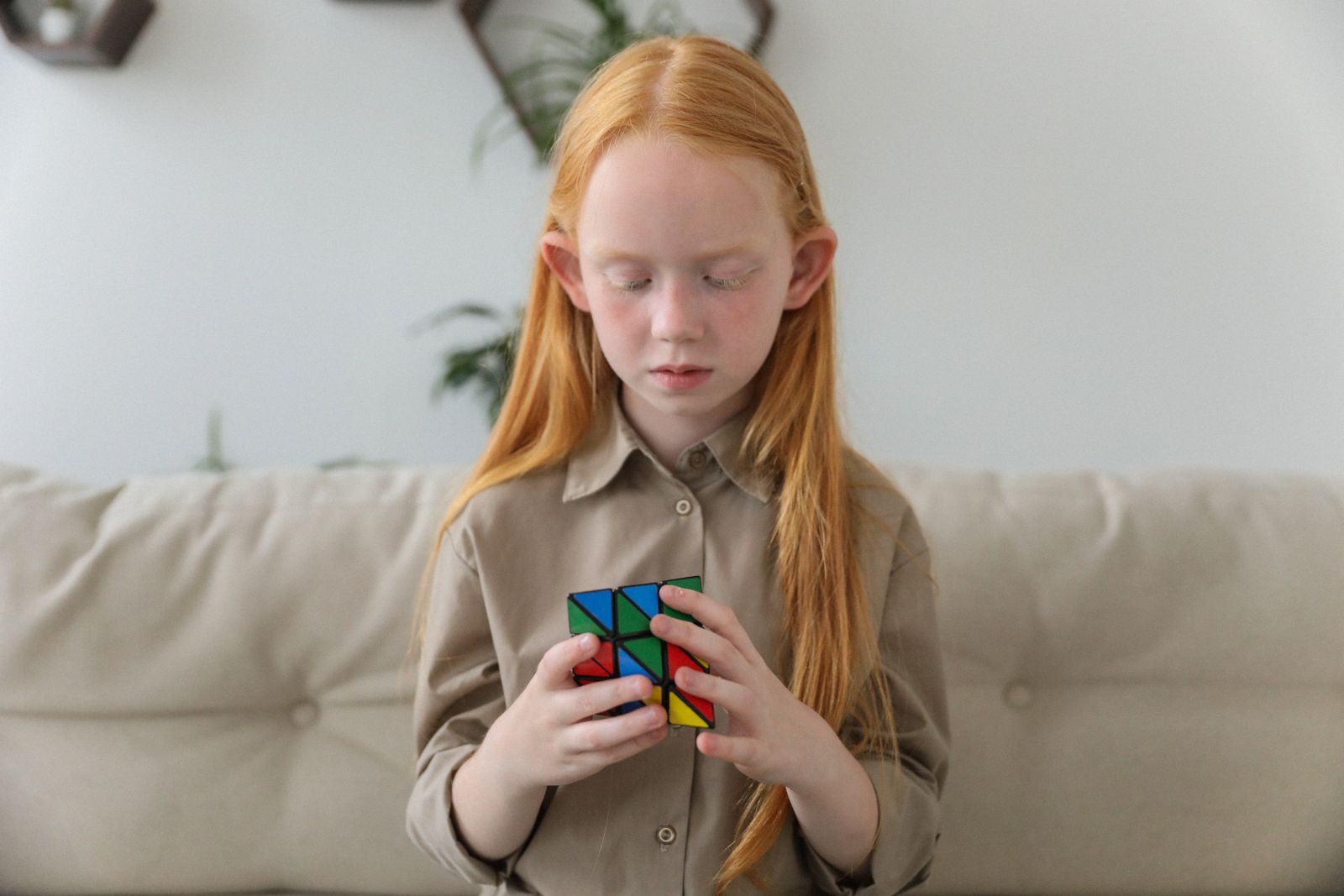
The mother was clear about her commitment. No matter how challenging the situation became, she had no intention of abandoning her daughter. She highlighted the girl’s numerous talents—her musical capabilities, kindness to peers, and quick understanding of concepts. This gifted child could play the violin effortlessly and created stunning anime videos, showcasing her creativity. The mother knew that behind the storms of anger lay a brilliant mind, capable of much.
People had very different reactions to the mother’s post. Some expressed sympathy and empathy, recognizing the complexity of raising a child with autism in a context where the biological father was distant and uninvolved. They acknowledged the depth of the mother’s love and the challenges she faced, resonating with her commitment to stay in the fight despite the difficulties.
Others pointed out that the in-between moments of joy and pain were part of the journey. They reminded her that it was important to take care of herself too, as parenting such a challenging child could drain one’s emotional resources. Some users shared their own experiences, reflecting on similar struggles and the delicate balance required in parenting special-needs children.
A few voices raised concerns about behavior that could be classified as abusive, emphasizing the need for boundaries and a safe environment for everyone involved. They urged the mom to ensure that her daughter understood the weight of her words. The parent, however, was clear that she saw the hurtful comments as distress signals rather than intentional cruelty. She reiterated her refusal to give up on her daughter, even when things got tough.
It was a conversation rife with tension, contrasting perspectives, and a profound sense of resilience on the part of the mother. She sought solutions, having already explored various medications and therapists. She was determined to provide her daughter with the tools needed to thrive, even in the face of overwhelming challenges.
As the discussion unfolded, it became evident that this family faced an unsettling reality every day. The parent remained hopeful for better days while recognizing the weight of her daughter’s words. The struggle between understanding, love, and pain was woven into their lives—a constant reminder of how complex family dynamics can be, especially when faced with the added layer of autism.
What does it mean for a parent to endure such harsh words yet remain steadfast in their commitment? Can love truly weather the storms of rejection and anger? These questions linger, as the mother continues to navigate her role, determined to foster the gifts within her daughter.
More from Decluttering Mom: