

You step into the grocery store trusting packaged baby formula to be safe and ready. When a Maryland mother opened a container bought at Walmart and found something that didn’t belong, she felt cheated and alarmed — and you should pay attention because these incidents can affect any family shopping for essentials.
A reportedly tampered can of formula discovered after purchase raises immediate concerns about product safety, return policies, and how to spot possible scams. The article will unpack what happened in Maryland, how similar schemes work, and practical steps to protect vulnerable purchases.

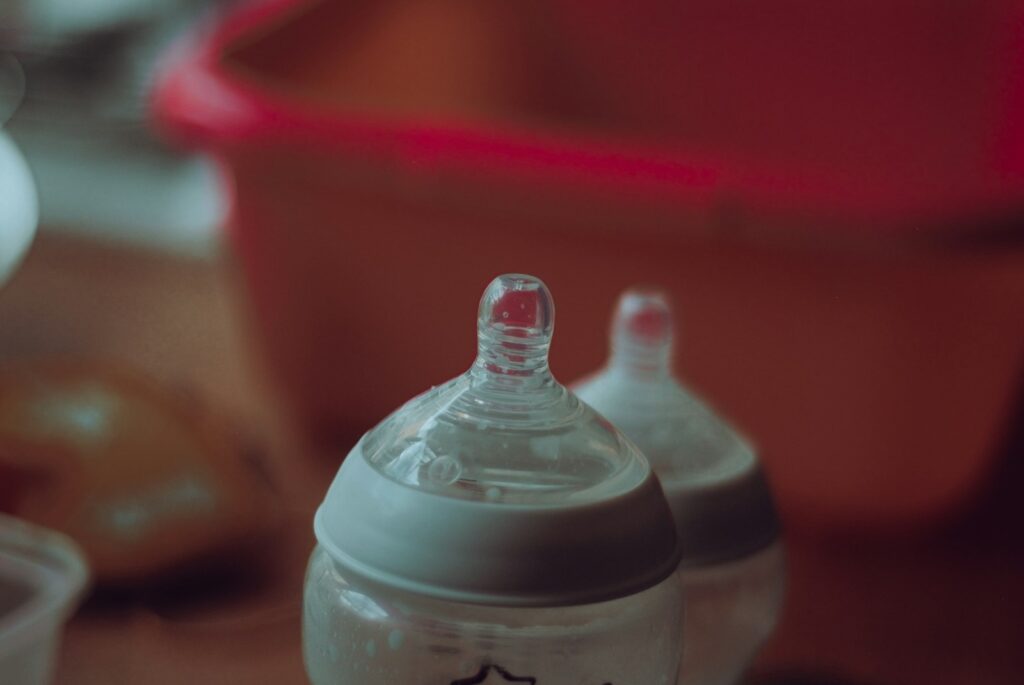
Maryland Mom’s Shocking Walmart Baby Formula Discovery
A Maryland mother says a can of infant formula she bought at a Walmart store in the Towson area contained an unexpected substance instead of formula. The incident sparked alarm online after she posted video showing the product and her comparison testing.
How the Formula Was Allegedly Tampered With
The mother reported that the can looked sealed but, after opening it at home, the powder inside appeared different from what she expected. She said the texture and color resembled flour rather than infant formula, and that the smell did not match the brand she purchased.
She shared video evidence showing the can’s intact lid and the powdered contents poured into a container for inspection. Store receipts and packaging images in the clip were used to confirm the purchase location and date. Claims like this often raise questions about in-store returns and whether a returned item was refilled or swapped before being placed back on the shelf.
Mom’s Reaction and Social Media Response
She posted the discovery on TikTok and other platforms, where the clip quickly drew hundreds of thousands of views and a mix of sympathy, alarm, and skepticism. Commenters advised retesting the powder, contacting Walmart, and notifying health authorities if contamination seemed possible.
The mother described feeling “scammed” and worried about safety for her infants, which resonated with other parents amid ongoing formula shortages. Some viewers urged caution, noting that handling and lab testing are needed before declaring contamination, while others shared similar suspicious-return experiences at retail stores.
Comparing the Powder and Testing the Formula
In the video, she compared the suspect powder to a known, unopened can of formula to show differences in texture and color. She performed a basic visual and smell check at home but did not report sending a sample to a lab for chemical or microbiological testing.
Visual comparison and home smell tests can suggest tampering but cannot confirm contents or safety. Professional testing—chemical analysis and microbiological culture—would determine if the powder is flour, formula, or contains contaminants. Authorities or consumer-protection labs can advise on sample submission and chain-of-custody steps to preserve evidence if a formal investigation is warranted.
Walmart’s Policy on Formula Returns
Walmart typically keeps baby formula behind locked displays and requires employee assistance to purchase or return formula, a practice adopted during shortages and theft concerns. The store’s general return policy allows returns of eligible items with a receipt, but tampering and safety claims usually prompt store-level review and possible escalation to corporate or local authorities.
Customers reporting possible tampering should retain the product, receipt, and any video, then contact the store manager and Walmart customer service for an immediate review. If contamination is suspected, filing a report with local health departments or the FDA’s consumer complaint system can prompt formal testing and traceback.
For context about similar incidents and public reactions, see reporting on the Maryland case from MSN.
Wider Implications and Preventing Baby Formula Scams
This incident highlights how supply gaps and online marketplaces create opportunities for fraud, and how parents can protect themselves through verification, payment choices, and reporting.
The Rise of Baby Formula Return Scams
Retail return scams have grown where fraudsters buy formula, remove contents or replace it, then return the empty or tampered packaging for store credit or refunds. These schemes sometimes target high-demand specialty formulas that sell for premium prices.
Criminals may coordinate online—using classified listings, social groups, or fake storefronts—to move altered products quickly before detection.
Retailers and law enforcement report increased complaints during shortages; scammers exploit fast-moving resale channels and limited stock.
Shoppers should watch for signs like unusually low prices, sellers who push off-platform payments, and inconsistencies in product photos or batch codes.
Retailers can reduce risk by tightening return policies, training staff to spot tampering, and using tamper-evident packaging.
Public Response and Safety Concerns
Community reaction often mixes anger and fear, especially when infants’ nutrition is at stake. Parents express concern about product safety after learning cans were opened, emptied, or substituted.
Health advocates warn that altered formula can introduce contamination or degrade nutrients if exposed to air or moisture. Hospitals and public health agencies track reports because compromised formula can cause feeding issues or more serious illnesses in vulnerable infants.
Local consumer protection offices and the Better Business Bureau have issued alerts in past shortages, urging vigilance. See the Better Business Bureau guidance on scam patterns and warning signs for more detail: Better Business Bureau scam advice (https://local12.com/news/nation-world/baby-formula-shortage-scams-fraud-better-business-bureau-new-moms-buyer-seller-photos-cans-payment-food-and-drug-administration-shortage-watch-for-signs-accreditation-internet-search-ads-posts-social-media-sites-risk-05-17-2022).
Steps Parents Can Take to Avoid Being Scammed
Use secure payment methods that offer buyer protection—credit card or the “goods and services” option on payment apps—so disputes can be filed if a seller disappears.
Verify sellers: check online reviews, search their name plus “complaint” or “scam,” and prefer established retailers over individual listings.
Inspect packaging before purchase: look for intact seals, matching lot and expiration codes, and factory-quality lids. If buying in person, ask for the original receipt and check store return policies.
Avoid offers that require wire transfers, gift cards, or payment apps with “friends and family” options.
Report suspicious listings to the marketplace, local police, and consumer protection agencies. For broader reporting options and alerts during shortages, consult the ABC News coverage of federal warnings about formula scams (https://abcnews.com/Health/feds-issue-urgent-warning-baby-formula-scams-exploiting/story?id=84813489).
More from Decluttering Mom: