

It is Sunday afternoon and the kitchen looks like a restaurant. Pans on every burner, a mountain of containers on the counter and a fridge packed with a full week of meals. You feel like a hero. Then Wednesday arrives, nobody wants chicken and rice again, and by the weekend half of it is headed for the trash.

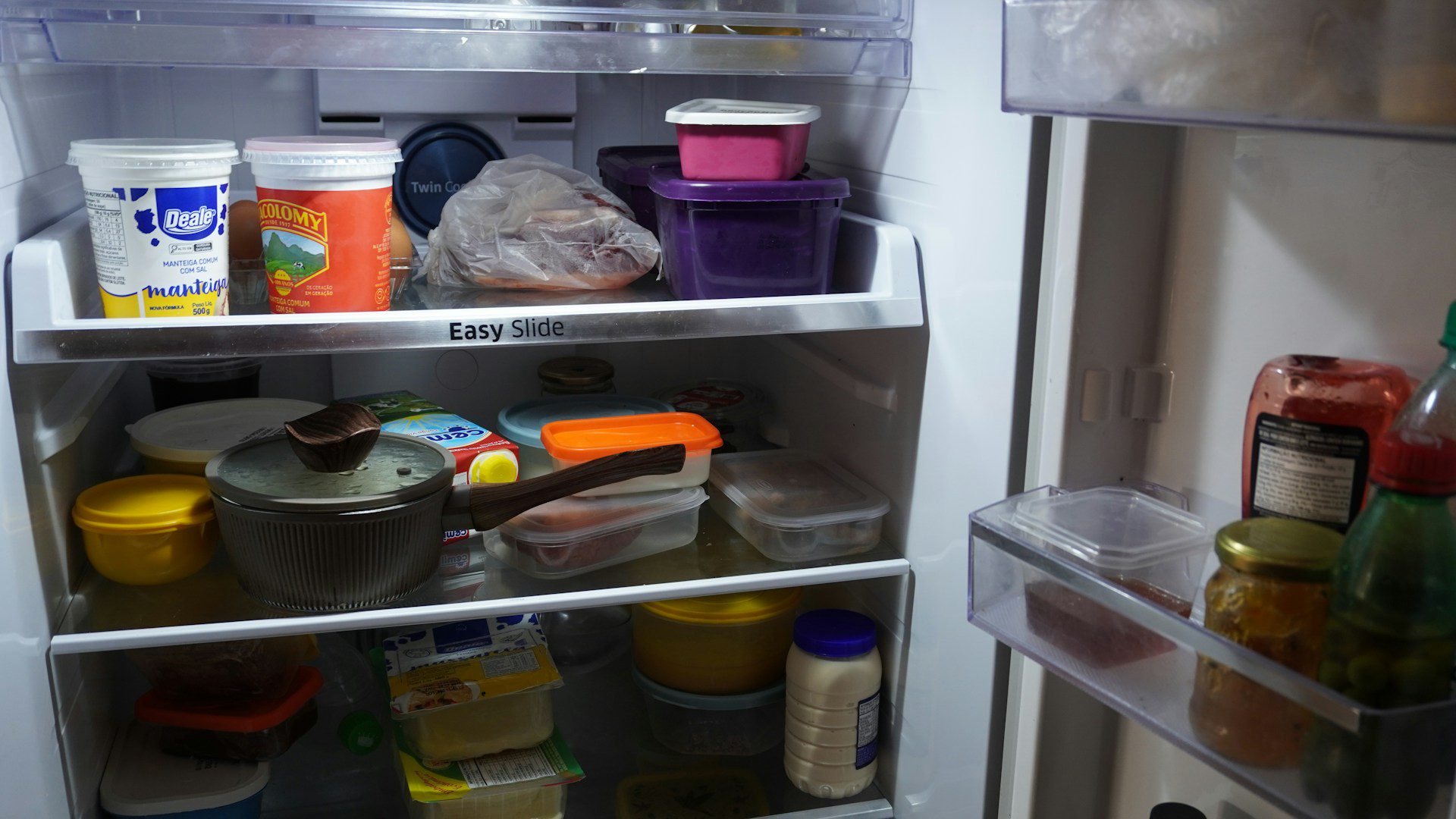
Meal prep has a great reputation, and for good reason. Done well, it saves time, stress and money. Done badly, it just moves your food waste from the end of the week to the beginning. If your meal prep has ever backfired, you are far from alone, and the fix is simpler than you think.
Why Meal Prep Goes Wrong
Most meal prep failures come from the same few problems. The first is cooking too much, too soon. Making a week of meals in one session sounds efficient, but it assumes you will want the same dishes day after day, and that your week will go exactly as planned. It rarely does.
The second problem is cooking food your family does not really eat. It is easy to prep what looks healthy online, or what you think you ought to be eating, rather than what actually gets cleaned off the plate. If a recipe is not one your family enjoys, it will sit in the fridge no matter how nicely it is packed.
The third is food fatigue. Eating the same thing several days in a row gets boring fast. Boredom leads to takeout, and takeout leaves the prepped food in the fridge to spoil.
The fourth is simple storage trouble. Some foods do not hold up well. Certain dishes turn soggy, dry or unpleasant after a few days, and cooked food only stays safe for a limited time in the refrigerator. Throwing out food you cooked yourself stings twice, because you lose both the groceries and the effort.
Start Small
You do not have to prep everything. Begin with just one or two pieces of the week. Maybe you cook a big batch of one protein, wash and chop vegetables, or make a pot of soup. Prepping ingredients rather than complete meals gives you flexibility. A pan of roasted vegetables can end up in a salad one night and a wrap the next. Cooked rice can go with different dishes. Chopped onions and peppers can start almost anything.
Once a small routine feels easy, add to it. Building slowly lets you learn what works for your household without wasting a pile of food in the process.
Freeze Portions
The freezer is the secret weapon of successful meal prep. Instead of asking everything to stay fresh in the fridge for days, freeze meals in individual or family-sized portions and pull them out when you need them. Soups, stews, chili, casseroles, cooked meats, meatballs, pancakes, muffins and burritos all freeze well for many households.
A few tips make this work better:
- Cool food fully before packing it, then store it in airtight containers or freezer bags.
- Press the air out of bags to help protect the texture.
- Label everything with what it is and the date you made it.
- Freeze in portions you will actually use, so you are not thawing more than you need.
- Lay bags flat to freeze so they stack neatly and thaw faster.
- Thaw safely in the refrigerator rather than leaving food out on the counter.
Cook What Your Family Really Eats
Before you plan a week of meals, pay attention to what disappears from the table and what comes back as leftovers. Make a short list of the dishes your family reliably enjoys, and build your prep around those. Ask everyone for input. Kids and grownups alike are more likely to eat food they helped choose.
Try one new recipe at a time rather than filling the whole week with experiments. If the new dish is a hit, add it to your rotation. If it is not, you will have only a small amount to deal with, not a week’s worth.
Make Leftovers Part of the Plan
Instead of dreading leftovers, schedule them. Plan one night a week as a leftover night, where anything remaining gets served. It gives the fridge a clean sweep before you restock and keeps good food from going to waste. You can also transform leftovers: roast chicken becomes chicken salad or soup, extra rice becomes fried rice, and extra vegetables can go into an omelet or a pot of soup.
Keep Your Fridge Visible
Food wasted is often food forgotten. Keep prepped items at eye level in clear containers so you can see what you have. Put the oldest food toward the front. A quick look before you decide what to cook can keep you from making something new while yesterday’s dinner is still waiting.
The Bottom Line
Meal prep is meant to make life easier, not to fill the garbage can. Start with a little, freeze what you will not eat soon and plan around meals your family truly enjoys. Do that, and you will save money, cut down on waste and finally enjoy that feeling of having dinner under control.
More Stories You May Like
- Mom Deep Cleans the House She Already Knows She Will Not Get to Keep After Her Divorce and Explains Why She Is Choosing a Fresh Start for Her Kids
- Minimalism Author Joshua Becker Shares the Powerful Question to Ask When Decluttering That Pushes Past Your Comfort Zone
- Professional Organizer With ADHD Tells Overwhelmed Moms To Set A Fifteen Minute Timer And Only Pick Up Trash Off One Living Room Floor