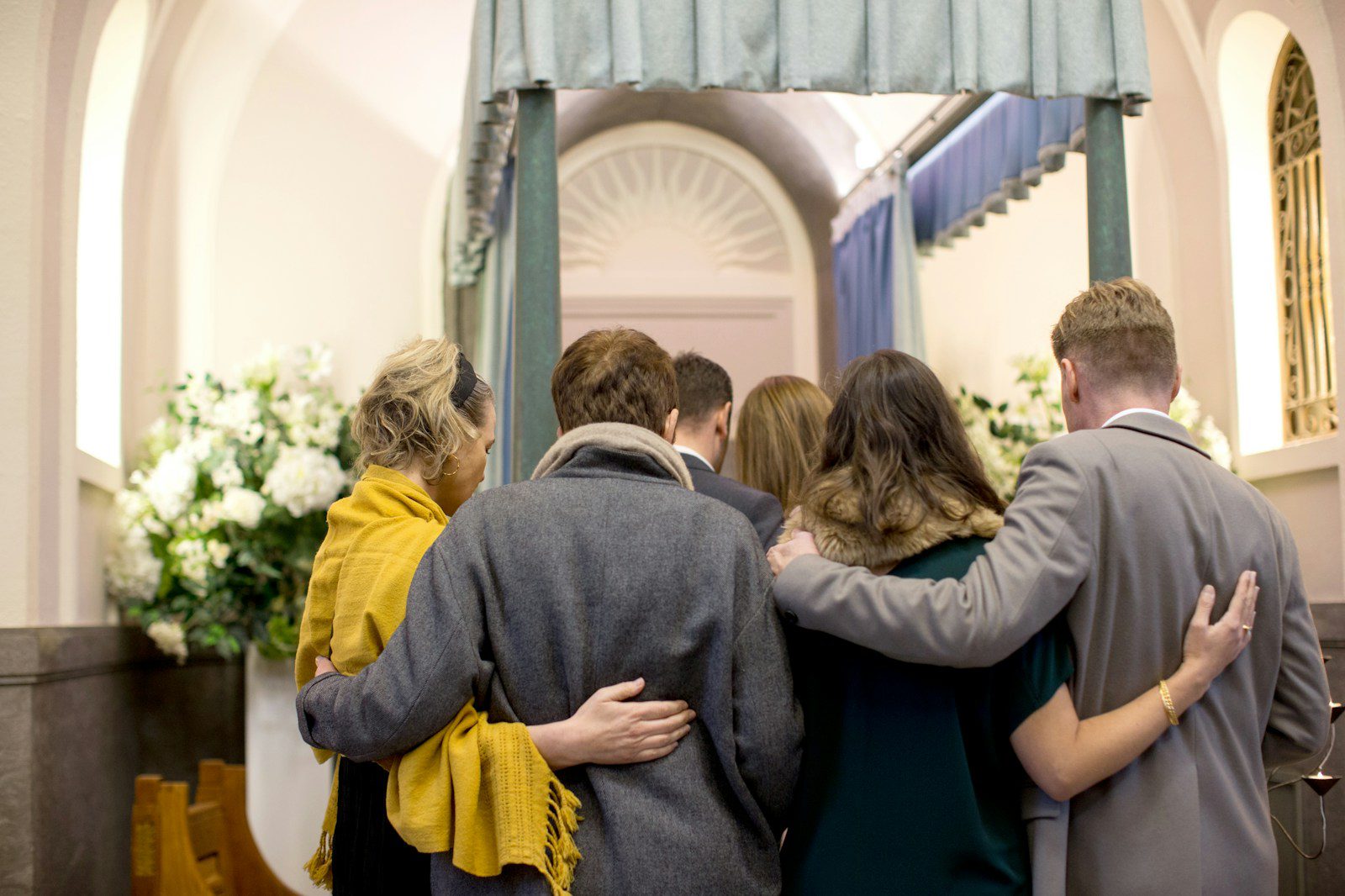
The scene at the funeral turned awkward when one mom’s mother-in-law decided to take center stage during a time meant for grieving. Rather than offering condolences or support, she dove into a long-winded monologue that lasted over an hour. Family members, trying to console each other, found themselves sidelined as she dominated the conversation with her chatter.
It all started when the mother-in-law made an unexpected entrance, eager to engage with the daughter of the deceased. This young woman, already juggling her grief, found it difficult to navigate the situation as her mother-in-law monopolized the interaction. Family members, lined up to extend their sympathies, began to lose patience as their attempts were thwarted time and again by her obliviousness. Even polite cues and subtle hints to step aside went unnoticed.
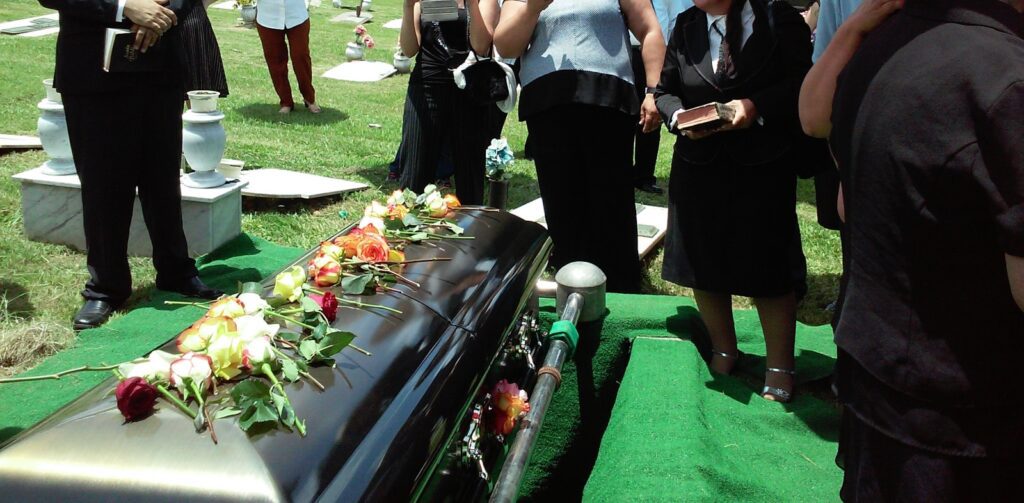
One mom, who observed the entire episode unfold, felt a mix of disbelief and frustration. She shared that the therapy session earlier had advised her to distance herself from her mother-in-law’s behavior, framing it as something she couldn’t control. Still, it stung to be associated with such actions. In a moment meant for unity, the mother-in-law seemed entirely unaware of the emotional overload she was imposing on everyone else.
In the comments section of the original Reddit post, reactions poured in. Some people found humor in the situation, while others questioned the mother-in-law’s awareness. Many expressed sympathy for the grieving family, suggesting that her actions were especially inconsiderate given the context. Responses varied widely; some thought the mother-in-law’s behavior was typical and to be expected, while others pointed out the need for boundaries in situations like these.
Observations about family dynamics came up frequently. A few commenters noted that it’s common for certain relatives to become oblivious in social situations, especially during emotionally charged moments. The irony of a funeral, a place for mourning and solidarity, turning into a personal spotlight for someone else didn’t go unnoticed. People exchanged stories of similar experiences, demonstrating that the struggle to manage family during difficult times is a shared experience for many.
Those who resonated with one mom’s situation spoke about their own challenges dealing with overbearing relatives at family events. Some shared strategies they used to tackle similar issues, while others simply expressed solidarity with her frustrations. The conversation highlighted how tricky family relationships can become when emotions run high, especially in moments meant for connection and support.
Through it all, one mom’s exasperation seemed to reflect a larger concern about how family members navigate grief together. How do families maintain a sense of togetherness when some members insist on steering the ship in their own direction? The discussion left a lingering thought: Is it possible to set boundaries without causing further rifts in family relationships? What happens when one person’s need for attention overshadows the collective need for support?
More from Decluttering Mom: