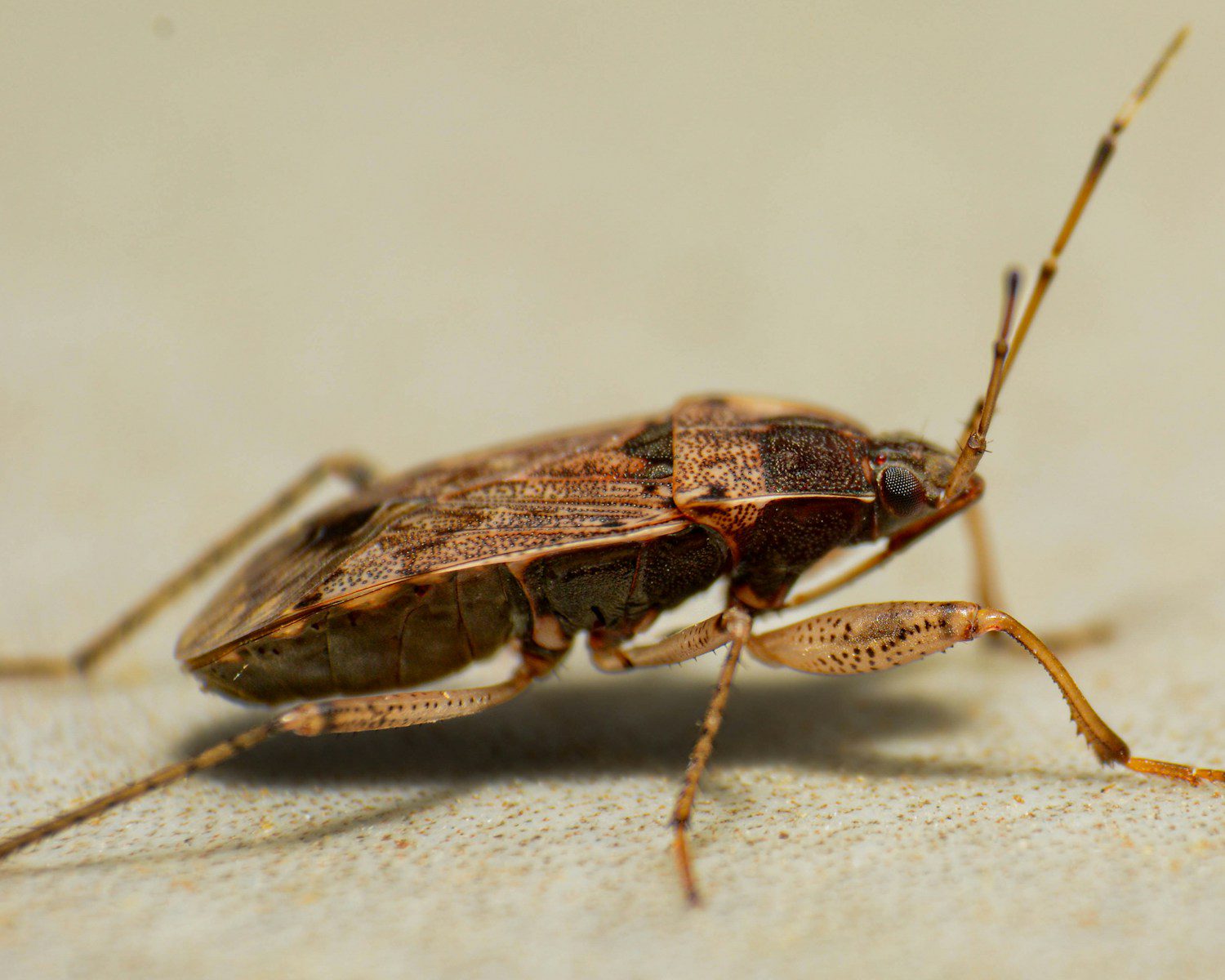
Stink bugs can squeeze through gaps you’d swear were too small for anything with legs. Researchers cited by University of Kentucky entomologists found that roughly half of adult brown marmorated stink bugs made it through standard quarter-inch window screening, and only mesh finer than a sixth of an inch kept them out reliably. That detail matters right now, because the National Pest Management Association (NPMA) says early September is exactly when this shield-shaped pest starts its annual push indoors, working through siding gaps, utility pipe holes and the space behind your chimney flashing. If you’ve already found one bug parked on a windowsill, more are already on their way in.
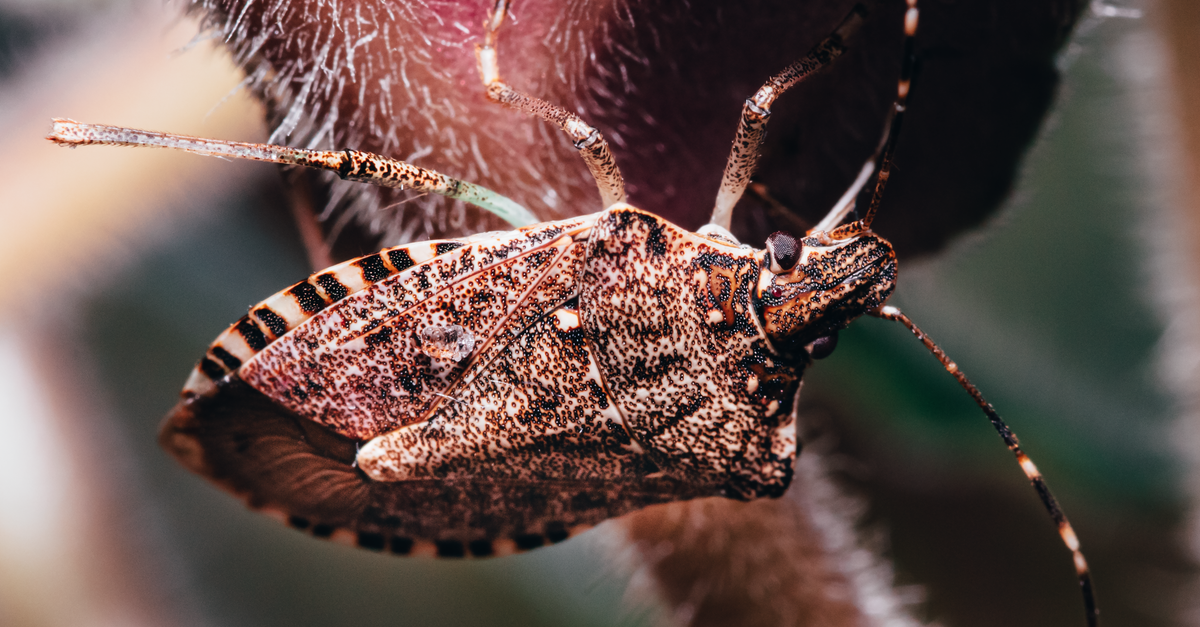
1. Early September Is the Actual Start Date
NPMA’s Dr. Jim Fredericks, the organization’s senior vice president of public affairs, doesn’t hedge on timing. In the group’s own release, he says: “Fall is prime time for stink bug invasions. This is the season when they sneak indoors for shelter, and our homes seem like a great place to hunker down.” University of Kentucky entomologists put a calendar on that instinct, noting the insects typically move onto buildings “on warm sunny days in September and October,” with activity in the region starting early-to-mid September — weeks ahead of the ladybugs and boxelder bugs that usually get more attention this time of year. Shortening daylight and dropping overnight temperatures are the trigger, not a date on a calendar, which is why the timing can shift a week or two depending on where you live.
2. The Exact Spots They’re Slipping Through
NPMA’s release names the entry points specifically, and it’s a longer list than most homeowners plan for: small cracks and crevices around siding, utility pipes, window and door frames, behind chimneys, underneath wood fascia boards, and foundation areas. University of Kentucky’s list overlaps and adds a few more — roof flashing, vents, and window air conditioners — and notes the bugs prefer higher parts of the building, often entering via attics and chimneys. That’s worth sitting with: the gaps doing the most damage aren’t at eye level where you’d notice them while mowing the lawn. They’re above the gutter line.
3. How Small a Gap They Actually Need
This is the number that should change how you shop for weatherstripping. Standard quarter-inch mesh screening — the kind on most factory window screens — let about half of adult stink bugs through in testing, and researchers found nothing short of one-sixth-inch mesh kept them out consistently. Combine that with an adult stink bug’s own size, roughly five-eighths of an inch, and you get a pest that looks too big to fit through anything but is built to prove you wrong.
4. Why They Don’t Leave Once They’re In
Unlike a fly that wanders back out a door, a stink bug that gets into your wall void or attic in September is settling in for months. They go dormant in these hidden spaces through the coldest stretch of winter, then wake up on unseasonably warm days — which is why you can find one crawling across a windowsill in January during a mid-winter thaw. Development from egg to adult takes only 30 to 45 days outdoors, and warmer southern regions can squeeze in extra generations before fall, which is part of why some years feel far buggier than others.
5. Sealing Them Out Actually Works
NPMA’s own prevention advice is unglamorous but effective: seal openings with caulk, inspect and repair window and door screens, minimize exterior lighting, eliminate moisture buildup, and trim tree branches and shrubbery that touch the siding. That last one matters more than it sounds — overgrown shrubs and branches act as a bridge, giving stink bugs a direct walkway from the yard onto your exterior walls. A weekend with a caulk gun and pruning shears, done now, beats dealing with a colony in your attic insulation come November.
6. Whatever You Do, Don’t Squish Them
The name is earned. Stink bugs release a genuinely unpleasant odor when crushed or disturbed, and NPMA — a trade group representing more than 4,000 member companies — advises vacuuming them into a bag you can seal and toss, rather than reaching for a shoe. They don’t bite, sting or spread disease to people, but they’ll happily wreck a vegetable garden or fruit tree if you have one, which is a separate headache for spring.
None of this requires an exterminator’s budget. It requires doing the boring maintenance — caulk, screens, pruning shears — in the next two weeks instead of the next two months, because every gap you seal today is one less bug wintering in your walls.