You have finally done it. The closets are sorted, the garage corner is cleared, and there is a pile of perfectly good stuff sitting by the front door. Now comes the question that stops a lot of cleanouts cold: do you sell it, or do you donate it? According to Joshua Becker’s YouTube channel, the answer for most households is simpler than you think.
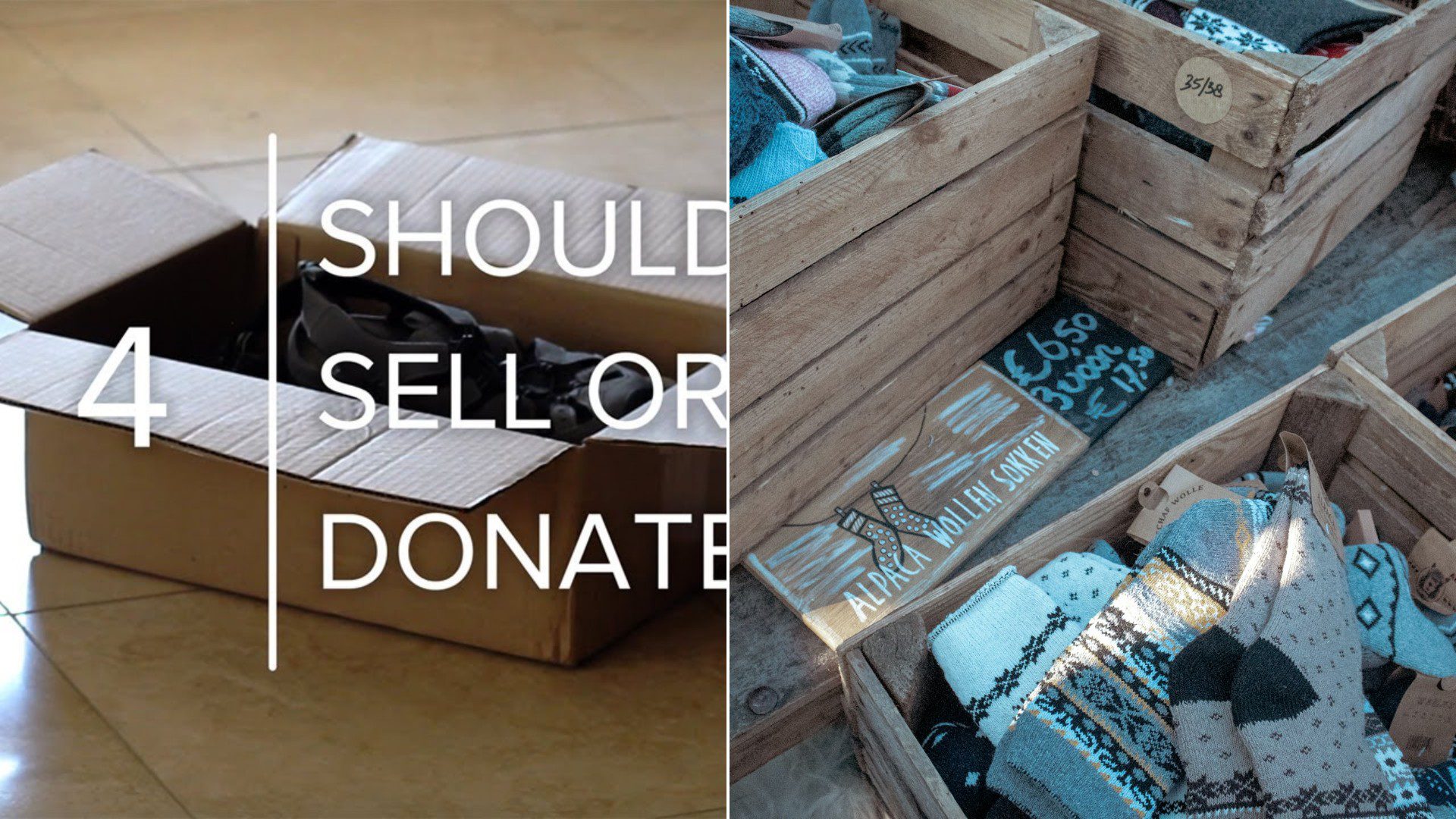
In a short video called “Should You Sell or Donate Your Excess Stuff?”, Joshua Becker lays out a rule of thumb. If you do not desperately need the money, donate your unneeded possessions to a local charity whose mission you believe in. The only exceptions, according to the video, are valuable items worth $50 or more, and very large items that you are unable to transport yourself.
That is a refreshing take in a world where every spare lamp and dusty bread machine is supposed to be a side hustle. The video makes the case that donating benefits the most people, including you and the world around you. Then it gives three reasons.
Reason One: Reselling Adds Stress To A Hard Job
The first reason is plain and practical. Trying to resell the things you are getting rid of adds time, effort and stress to a process that is already difficult. Going through every room, deciding what stays and what goes, takes real work. Having to list, resell and get reimbursed for every item only makes the job harder.
Most of us know exactly how that goes. The box of extras sits in the hallway for weeks because nobody has had the time to take pictures. The good intentions turn into a new pile of clutter, and the whole point of the cleanout is lost. Donating is a one-trip solution. You load the car, drop it off, and the stuff is out of your home that day.
Reason Two: Your Neighbors Can Use It
The second reason is about the people around you. Becker points out that there are people in your community today who could use the things you are getting rid of. Housewares, clothes, old baby things: your excess can become a blessing to somebody else. The video says there are people in your community who need those items.
That is worth sitting with for a minute. The extra set of dishes in the cabinet, the coat that no longer fits, the baby gear the kids have outgrown. To you they are clutter. To a family nearby they might be exactly what was missing.
Reason Three: Generosity Keeps You Going
The third reason is a little more personal. The video says generosity is not just a by-product of minimalism, and that it can become the very lifeblood of it. As people embrace a simpler lifestyle, one benefit is being able to bless others by being generous. Becker says many people find this a motivating factor. As they begin donating to others in need, they feel the joy of helping, and that pushes them to look for even more things to let go of.
In other words, giving away your extras can feed the whole decluttering habit. Every bag you drop off comes with a good feeling, and that good feeling makes the next bag easier to fill.
When Selling Still Makes Sense
None of this means you should never sell anything. Becker leaves room for two exceptions, and they are worth keeping in mind.
- Items worth $50 or more. If something has real value, the effort of listing it may be worth it.
- Items too big to move yourself. A heavy piece you cannot haul to a donation center is a different story.
- Situations where you need the money. The advice is aimed at people who do not desperately need the cash. If you do, selling is a perfectly sensible choice.
A Simple Way To Sort The Pile
If you want to put this into practice, here is an easy way to sort through what you have removed from your home.
- Pull out anything you think might be worth $50 or more. These are your possible sell items.
- Set aside anything too large for you to carry or transport by yourself, and decide how you will handle it.
- Put everything else in the donate pile.
- Choose a local charity whose mission you believe in, and drop the donations off soon, before the pile turns into new clutter.
It also helps to be honest with yourself about your time. A sale that brings in a few dollars but eats up several evenings of messages, photos and waiting is not much of a bargain. Time and peace of mind count for something too.
The heart of the advice is easy to remember. Find a local charity you believe in and donate there, and keep your selling energy for the few items that truly earn it. As the video puts it, that is the solution that benefits the most people. Your home gets lighter, the process stays manageable, and somebody in your community gets something they needed.
More Stories You May Like
- Woman Who Makes at Least $1,000 at Every Garage Sale Shares Her Golden Rule, and It Means Never Putting an Individual Price Tag on Anything
- Five Ruthless Decluttering Tricks That Go Against Everything You Have Heard Are Shared by a Woman Who Used Them to Empty Her Packed Attic
- Best and Worst Decluttering Methods Get Tested by One Woman Who Tried Every Single One and Ranks the Results