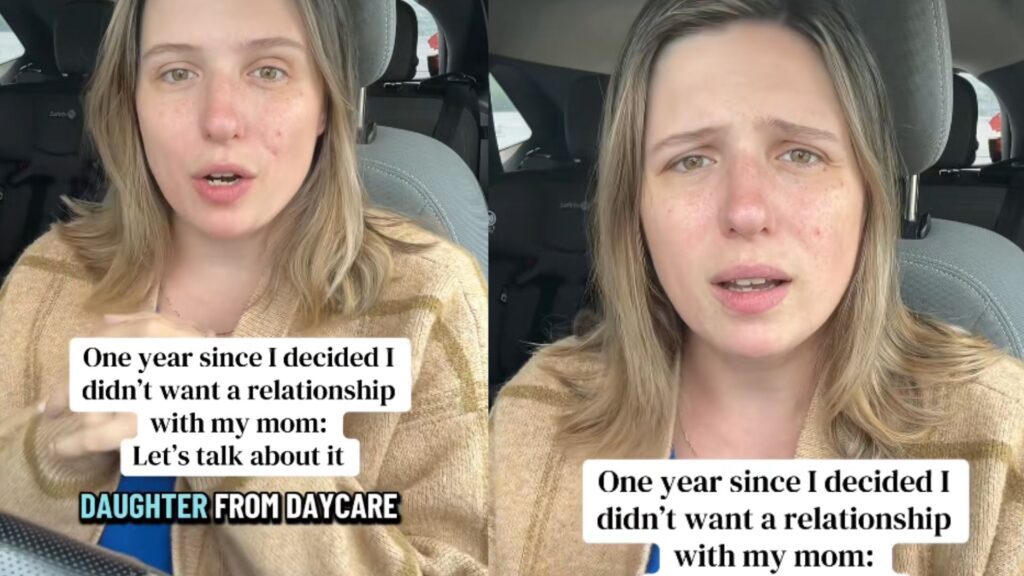
One mom was left unsettled after reading a review online about a grocery store. The review came from an older customer who seemed to expect gratitude from minimum-wage workers. It didn’t sit right with her, especially knowing many of those employees are struggling just to make ends meet.
The review described how the customer felt entitled to prompt service and a certain level of appreciation from the store staff, all while conveniently ignoring the reality that many of those workers put in 40-hour weeks and still can’t afford rent. There was a part of the review that had been scribbled out, the name of a suburban town redacted, which added to the discomfort. It hinted at something deeper, possibly even a racial undertone, that left the reader questioning the motivations behind the comments.

The mom, reflecting on the review, pointed out the bizarre expectation that workers should be grateful for the opportunity to serve entitled customers. It’s as if this customer believed that a checkout aisle was a hierarchy where their presence should be honored. Yet, that doesn’t reflect the reality of the workers who are often forced to juggle multiple jobs just to keep a roof over their heads.
People had very different reactions to the review. Some thought the original poster might simply be out of touch, enjoying a nice grocery experience without acknowledging the struggles of the people working there. Others pointed out that it’s common for some individuals to assume that their status or age places them above those serving them, leading to a disconnect in how they perceive interactions with workers.
One commenter noted that it feels like a disconnect between generations. Many younger people are aware of the struggles their peers face, especially in a shaky economy, while some older customers seem to ignore that reality. This generational gap can create misunderstandings, making simple exchanges uncomfortable.
Another user brought up how entitlement can manifest in different ways. They highlighted that the scribbled-out part of the review felt telling, as if there was something about that town that the reviewer didn’t want to reveal. It went beyond a simple grocery store visit; it opened up an unexpected conversation about social dynamics and the perceptions of race within retail settings.
Some even chimed in about their own experiences with similar situations. They described instances where they felt compelled to show appreciation for workers who often receive little recognition for their hard work. It shines a light on how some customers feel a moral responsibility to counteract the entitlement displayed by others.
Yet, amid all these comments, there was uncertainty about how to address these issues. Should empathy be extended to everyone for their experiences, or is the disconnect too large to bridge? While some people try to recognize the struggles of workers, others remain entrenched in their beliefs that service workers should be thankful for their business. It’s a perplexing push-and-pull dynamic that leaves many feeling uneasy.
Ultimately, it leads to bigger questions. How can society shift toward a more equitable view of service and labor? Why is it so difficult for some to see the humanity in those who serve them? The mom’s unease reflects a broader discomfort in navigating these relationships, especially when economic pressures define so much of everyday life.
More from Decluttering Mom: