Every parent has a breaking point, and for @brittneynolte, it came over hitting. In a video she captioned “Mom resorts to a new mode of discipline,” the mom of young boys lays down a brand-new house rule: anything they throw at someone or hit someone with “is going in the trash.”
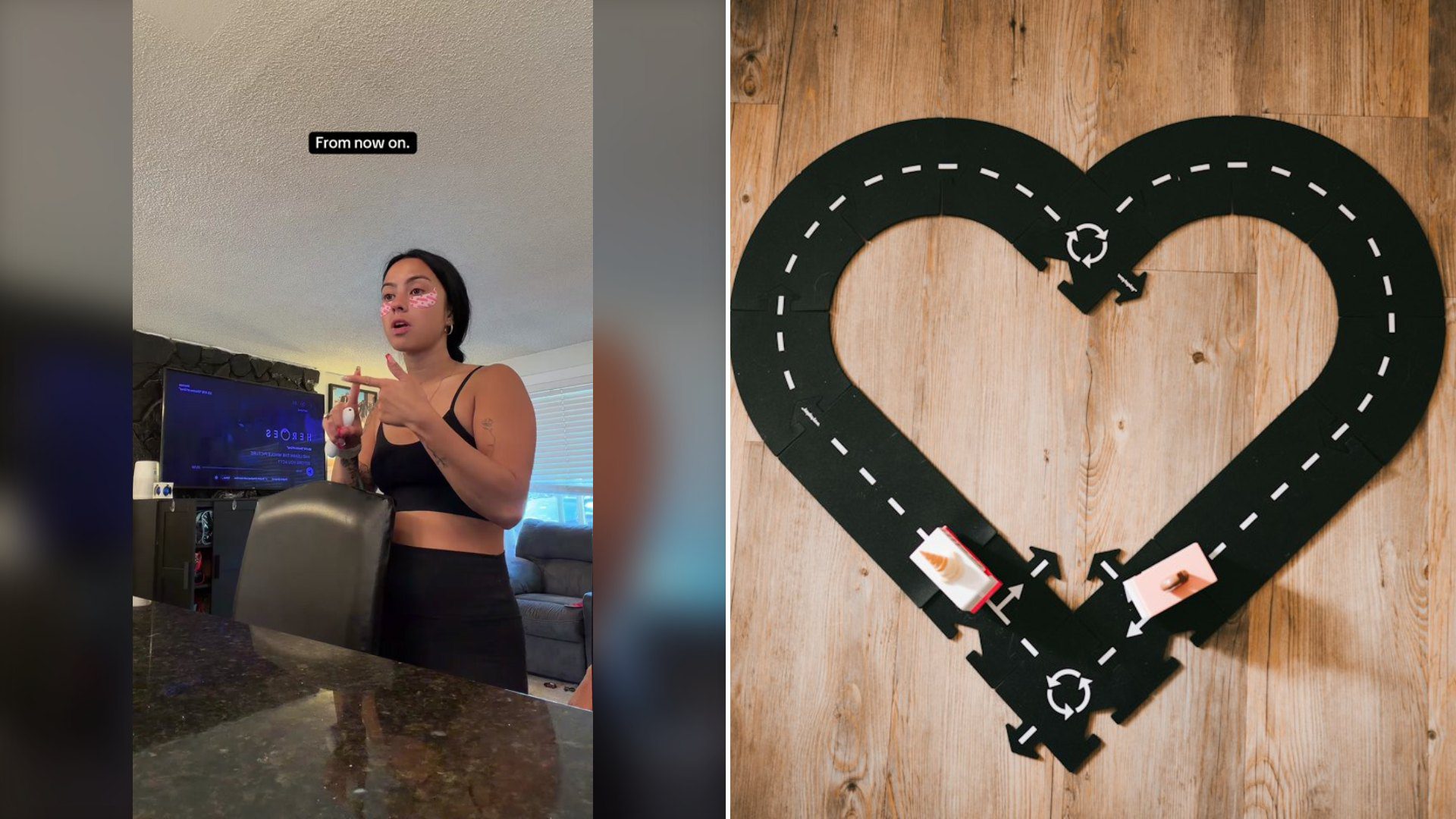
She does not just announce the rule. She enforces it on the spot. Holding up a toy, she tells one of her sons, “This, you decided to hit your brother with.” Then she hands it over and has him put it in the trash himself. “You don’t need it,” she tells him, “if you’re not going to play with it” the right way.
Her tone is calm but firm, and she spells out exactly why things have come to this. “If you are not going to use things correctly,” she says, the toys will be taken away and put in the trash “because you know better.”
Then comes the line that every worn-out parent and grandparent will recognize. “You have not been listening about hitting,” she says. “Mama is tired of yelling. I’m done. So we’re going to try this instead. Do you understand?”
A small voice answers, “I understand.”
Her caption is tagged with parenting and toddler hashtags, along with sign language and bilingual ones, a hint at a busy household where communication is already a big part of daily life.
@brittneynolte
Why a Consequence Like This Can Work
What stands out about her approach is that the consequence is tied directly to the behavior. The toy was used to hurt someone, so the toy goes away. Child development experts often call this a logical consequence, and it tends to make more sense to young children than a punishment that has nothing to do with what they did.
She also did two other things that help a rule stick. She explained it clearly before acting on it, and she had the child take part by carrying the toy to the trash himself. That small physical step makes the lesson concrete for a little one in a way a lecture rarely does.
And she said out loud what many parents feel but rarely admit: the yelling was not working. Raising your voice again and again often teaches kids to tune out until the volume hits a certain level. A calm rule followed by quick action can cut through that noise.
How to Make a New Rule Stick
If you are a parent, or a grandparent who spends a lot of time with the little ones, a few habits make this kind of rule far more effective.
Keep the words short. Toddlers and preschoolers do best with simple phrases such as “We don’t hit. If you hit with it, it goes away.” Repeat the same words every time.
Follow through every single time. A rule that is enforced on Monday and ignored on Wednesday teaches children to gamble. Consistency is what turns a new rule into a habit.
Get every caregiver on the same page. If grandparents, sitters or a daycare are part of the routine, let them know the rule so the children hear one message wherever they are.
Teach what to do instead. Little kids hit because they are mad, frustrated or overexcited, and they do not yet have the words for it. Show them other choices, like stomping their feet, squeezing a pillow, or coming to find a grownup.
Stay calm while you follow through. The point of a rule like this is to replace the shouting, so carry it out in an even voice. A quiet “That one goes in the trash now” carries more weight than a raised voice, and it shows little ones how to handle frustration without exploding.
Notice the good moments. When the boys play gently or share without a fight, say so. Children repeat the behavior that earns attention, so make kindness the thing that gets noticed most.
Trash, Donate or a Time Out Shelf
Not every family will want to throw toys away for good, and there are a few middle-ground options that still send a clear message.
A “time out shelf” or a lidded bin on a high closet shelf lets you remove a toy for a set period, such as a day or a week, before it earns its way back. This works well for favorite items that would cause real heartbreak if they were gone forever.
Some parents choose to donate rather than toss toys that are in good shape. Older children in particular can understand that a toy is going to a child who will take care of it.
There is also a decluttering upside to all of this. Hard, heavy toys that tend to become weapons are often the ones families can most easily live without. Fewer toys out at once also tends to mean fewer squabbles. Many parents keep a small rotation of toys in the playroom and store the rest, swapping them every few weeks so everything feels new again.
Whatever route you choose, the heart of what @brittneynolte is doing is the same: a clear rule, a calm voice, and a consequence her boys can see with their own eyes. For a mom who was simply done yelling, that is a plan worth trying.
More From Decluttering Mom
- After Six Kids In 14 Years She Thought Nothing Could Embarrass Her, Until Her Two Year Old Started Asking Around The Grocery Store If Anyone Needs An Enema
- She Always Tells Her Daughter To Take Five More Bites, Until The Day Her Daughter Said It Back And Then Told Her She Was Proud
- Mom asks her 20 month old what else to put on the pizza and the toddler answers pepperoni then repeats back in a full sentence that it is a good choice on pizza