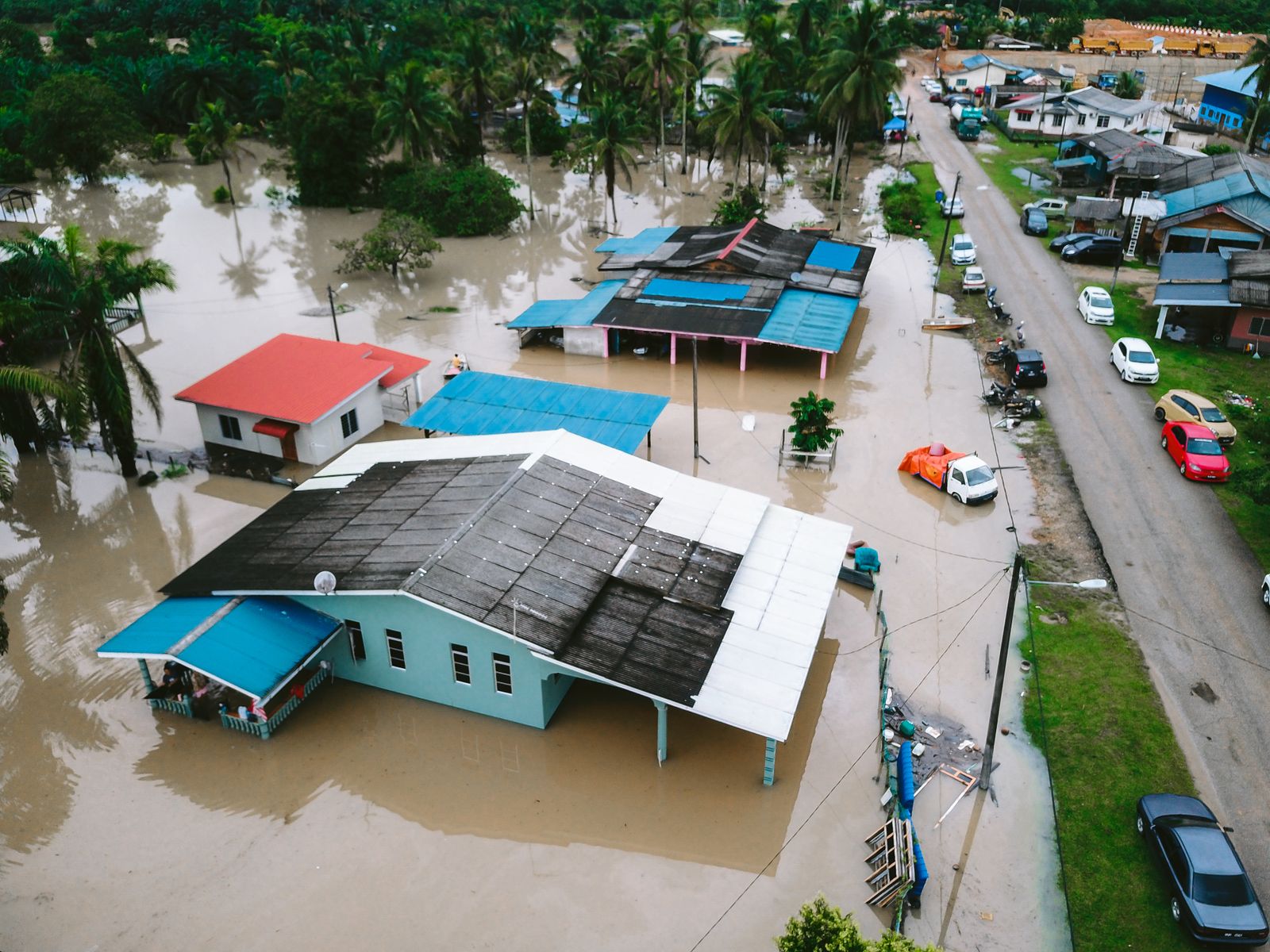
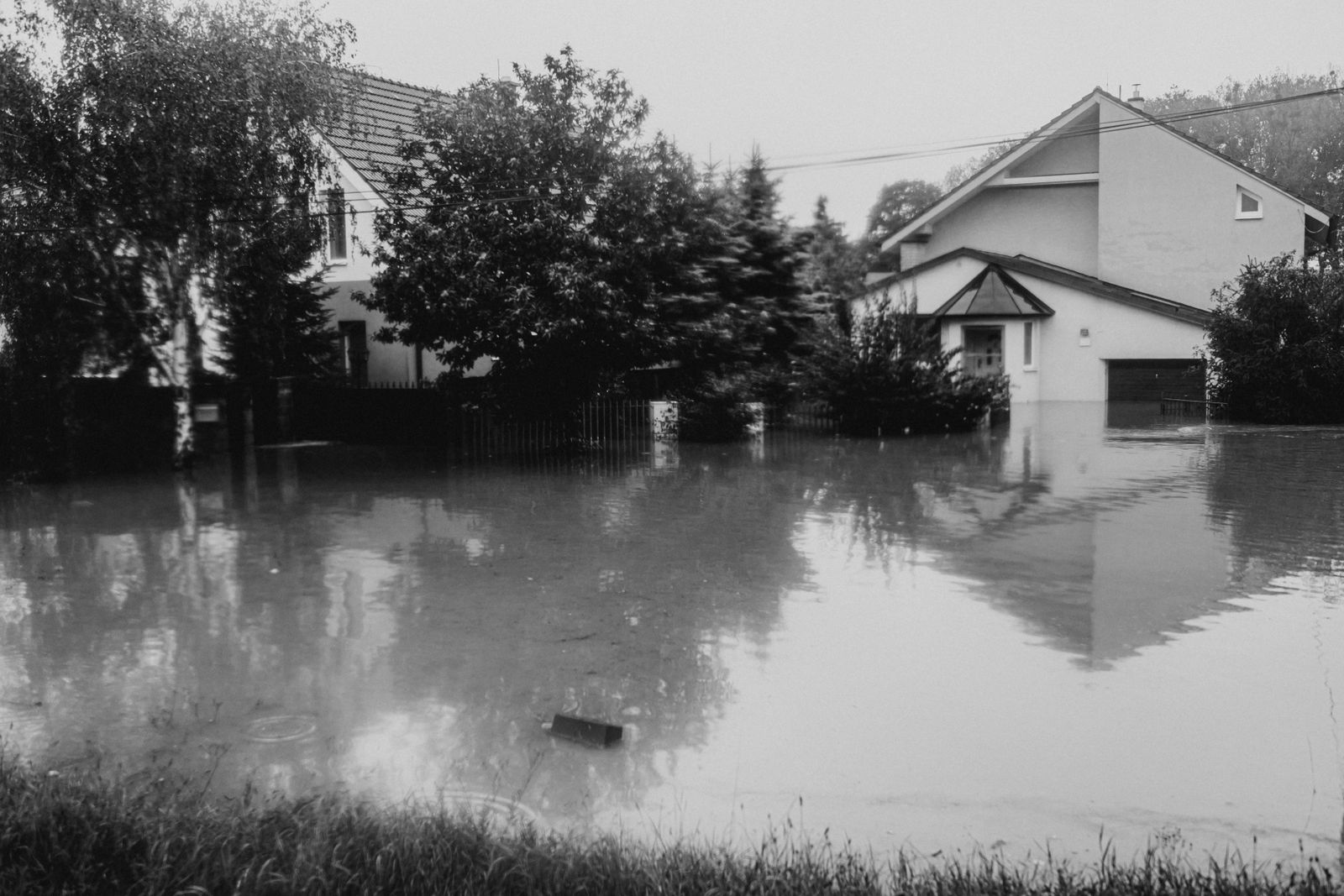
Miami-Dade County lost 72,254 more residents than it gained between July 2024 and July 2025 — the largest single-year population drain any county has posted in the years Redfin has tracked flood-risk migration, and the anchor of a much bigger retreat. High-flood-risk counties nationwide saw a net outflow of 63,357 people last year, according to Redfin’s migration analysis, nearly double the 34,099-person net loss the year before. Meanwhile, the lowest-flood-risk counties in the country pulled in 69,857 new residents combined, their biggest gain since 2018. People aren’t just leaving flood zones faster than they used to — they’re landing somewhere specific, and the gap between the two numbers is widening every year Redfin measures it.
The Miami-Dade Paradox
Here’s the part that doesn’t fit the tidy narrative: Miami-Dade is losing residents at a record pace while simultaneously becoming more desirable to buy in. Home prices there are up roughly 65% in recent years, and the county keeps landing ultra-wealthy buyers — Mark Zuckerberg’s recent purchase of a $170 million Miami estate being the headline example, per Redfin’s analysis. What that tells you is that the exodus isn’t really about the water rising. It’s about who can afford to keep gambling on staying. Rising insurance premiums, soaring HOA fees tied to post-hurricane building assessments, and repair costs after repeated flood events are pushing out the middle of the market while the top of it barely notices the difference.
Where Else People Are Fleeing
Miami-Dade is the biggest single loss, but it’s not alone. Harris County, Texas — home to Houston — shed 43,377 residents net. Kings County, New York (Brooklyn) lost 38,847. Hudson County, New Jersey, across from Manhattan, lost 10,518. Rounding out the list: Pinellas County, Florida (-9,203), Jefferson Parish, Louisiana (-5,553), Marin County, California (-2,764), Orleans Parish, Louisiana — New Orleans itself (-2,724), Collier County, Florida (-2,337), and the Florida Keys’ Monroe County (-1,931). What links most of these isn’t a single recent disaster; it’s counties that have absorbed flood damage, insurance shock or both more than once in the past decade.
Not Everyone Is Running From Water
The inflow side of the ledger is just as telling, because some of the counties gaining the most population are still technically flood-risk counties — just newer, higher ground, or built to different standards. St. Johns County, Florida, added 12,549 residents, the largest gain of any flood-prone county in the country. Fort Bend County, Texas, added 10,406. Lee County, Florida, added 8,603.
These aren’t people avoiding flood risk categorically — they’re choosing specific flood-prone places over others, likely based on newer construction, elevation within the county, or insurance markets that haven’t seized up yet the way South Florida’s has. Risk, it turns out, is something buyers are pricing block by block, not state by state.
Why This Is Happening Now
Redfin’s companion survey data gives some shape to the “why.” Sixteen percent of people who moved cited natural disasters or climate concerns as a reason, making it the fourth most common driver behind wanting more space, an upgrade, or affordability — and among people who moved out of state specifically, that number jumps to 21%, second only to general weather preferences. Among people who’d actually survived a climate disaster, one in five said it changed how they think about where they’ll live next. “Climate risk is becoming a more important factor when Americans weigh costs and benefits of living in certain places,” Redfin senior economist Daryl Fairweather said in the report.
The dollars-and-cents case backs that up. Insurance premiums in flood-prone coastal counties have climbed faster than almost anywhere else in the country over the past few years, and in places like South Florida, HOA fees have followed a similar trajectory as buildings absorb new post-storm structural requirements. A homeowner who bought in 2018 assuming flood insurance was a fixed, minor line item is often now paying several times that, on top of assessments their building didn’t need a decade ago.
What Redfin’s numbers ultimately describe isn’t a single migration story so much as a sorting mechanism working itself out in real time — wealth concentrating in exactly the places risk is worst, while everyone else routes around the water, county by county, one moving truck at a time.