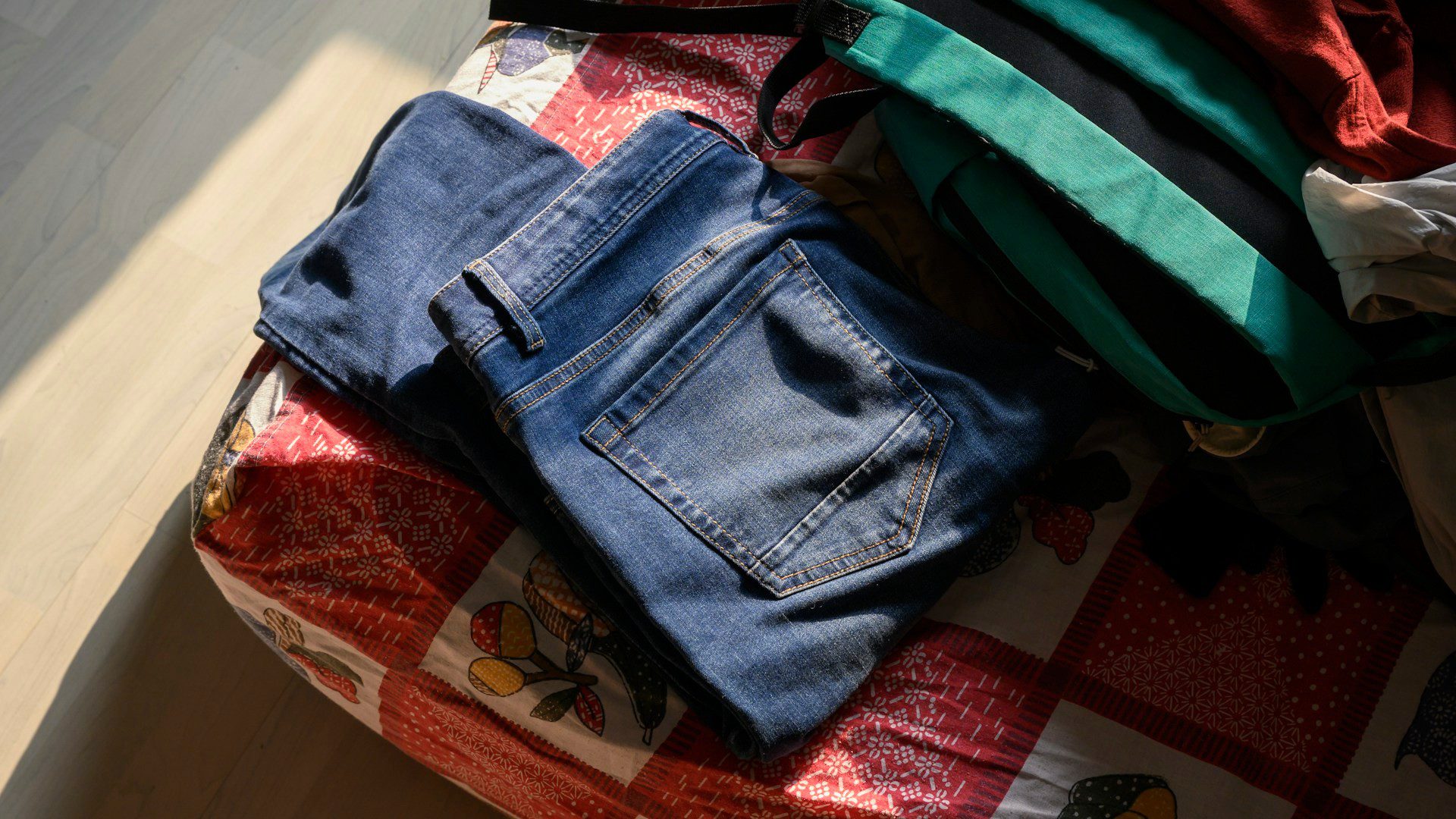
For years, people who take the standard deduction have heard the same disappointing news about charity. Giving did not change their tax bill. A new rule for 2026 returns changes that, but only for one kind of gift.
Non-itemizers may now deduct cash donations, and the bags of clothes you drop off at the thrift store do not count under this particular break.
What The New Deduction Allows
According to the Internal Revenue Service’s announcement on the new tax law and its Publication 6196 from October 2026, non-itemizers may deduct up to $1,000 in cash gifts on their 2026 returns. Married couples filing jointly may deduct up to $2,000.
The key phrase is “non-itemizers.” Most taxpayers take the standard deduction rather than listing their deductions line by line, and until now those folks got no tax benefit for charitable giving.
This new break sits alongside the standard deduction, so you do not need to switch to itemizing to claim it.
Cash Only, And That Is The Catch
The IRS says the deduction is for cash gifts. A check, a card payment or an electronic transfer to a qualifying charity are all cash in the plain sense.
Donated goods are different. That includes the car trunk of sweaters, the boxes of toys and the old furniture that many of us take to a donation center when we clean house.
Gifts to donor-advised funds are also excluded, according to the IRS. That detail matters for people who use those funds to organize their giving.
Why The Carload Of Clothes Does Not Count Here
Decluttering is a form of generosity, and it feels like a good deed because it is one. Your old coats keep someone warm, and your extra kitchenware stocks a first apartment.
But under this specific deduction, the value of those items does not reduce your tax. Only cash does.
If you take the standard deduction and your giving is mostly in goods, then you will not get a tax benefit for the donation. That does not make the donation less useful to the charity, only less useful to your return.
What About People Who Itemize?
The rules for itemizers are separate. In general, taxpayers who itemize have long been able to deduct the fair market value of donated clothing and household goods that are in good condition, if the charity qualifies and the paperwork is in order.
So the new cash break should not be read as a rule against donating goods. It is simply a different benefit for a different group of filers.
If you are close to the line between itemizing and the standard deduction, it may be worth running both numbers or asking a tax professional which way works out better for you.
Keep Records Like You Mean It
The IRS says to keep records of your gifts. That means a bank statement, a canceled check or a receipt from the charity showing the name of the organization, the date and the amount.
Do not rely on memory in March. Create a folder, paper or digital, and drop each receipt in as you give.
Be careful to confirm that the group you give to is a qualified organization. Individual fundraising pages and personal requests, however worthy, generally do not qualify.
A Smart Way To Plan Your Giving
If you take the standard deduction and care about donations, there is a simple strategy. Give cash to the charities you support, up to the limit, and keep a record of it.
Keep donating clothing and household goods too, but think of it as a way to clear space and help neighbors. If you want some value back, consider selling better items online or at a consignment shop, then give a portion of the cash to your favorite cause.
Be mindful of the limits. The deduction tops out at $1,000 for single filers and $2,000 for married couples filing jointly, so extra gifts beyond that will not lower your 2026 tax further under this break.
Cash Gifts You May Already Be Making
Many people give without thinking of it as charitable giving. The weekly envelope at church, the monthly gift to a food bank, the donation at the grocery checkout and the check to a school fundraiser may all be cash gifts.
Add up a year of them. If the total is in the hundreds, a deduction of up to $1,000, or $2,000 on a joint return, may be worth more than you expected.
Gather your bank and card statements for 2026 as the year winds down. Make a list of each gift, the date and the organization, so tax time is quick.
Check With A Pro Before You File
Tax rules have details, and this one is new. A tax professional can tell you how it applies to your income, your filing status and your other deductions.
Before you file, read the IRS publication yourself as well. It is a short document, and knowing the basics helps you ask better questions.
To sum up, the new deduction rewards cash gifts up to $1,000, or $2,000 for joint filers, if you do not itemize. Your donated clothes still do good, but under this break they will not lower your bill.
More Stories You May Like
- Consignment Shops Take A Cut And Your Items May Pay Pennies, So Ask About The Split And Payout Before You Drop Off A Single Bag Of Clothes
- Donating Without A Receipt Could Cost You A Tax Deduction If You Itemize, So Photograph And Document Everything Before You Drop It Off At The Store
- This Shopper Who Always Grabbed Any Deal Hired A KonMari Certified Organizer To Clear The Home And Says Learning To Trust Their Own Gut Was The Real Breakthrough