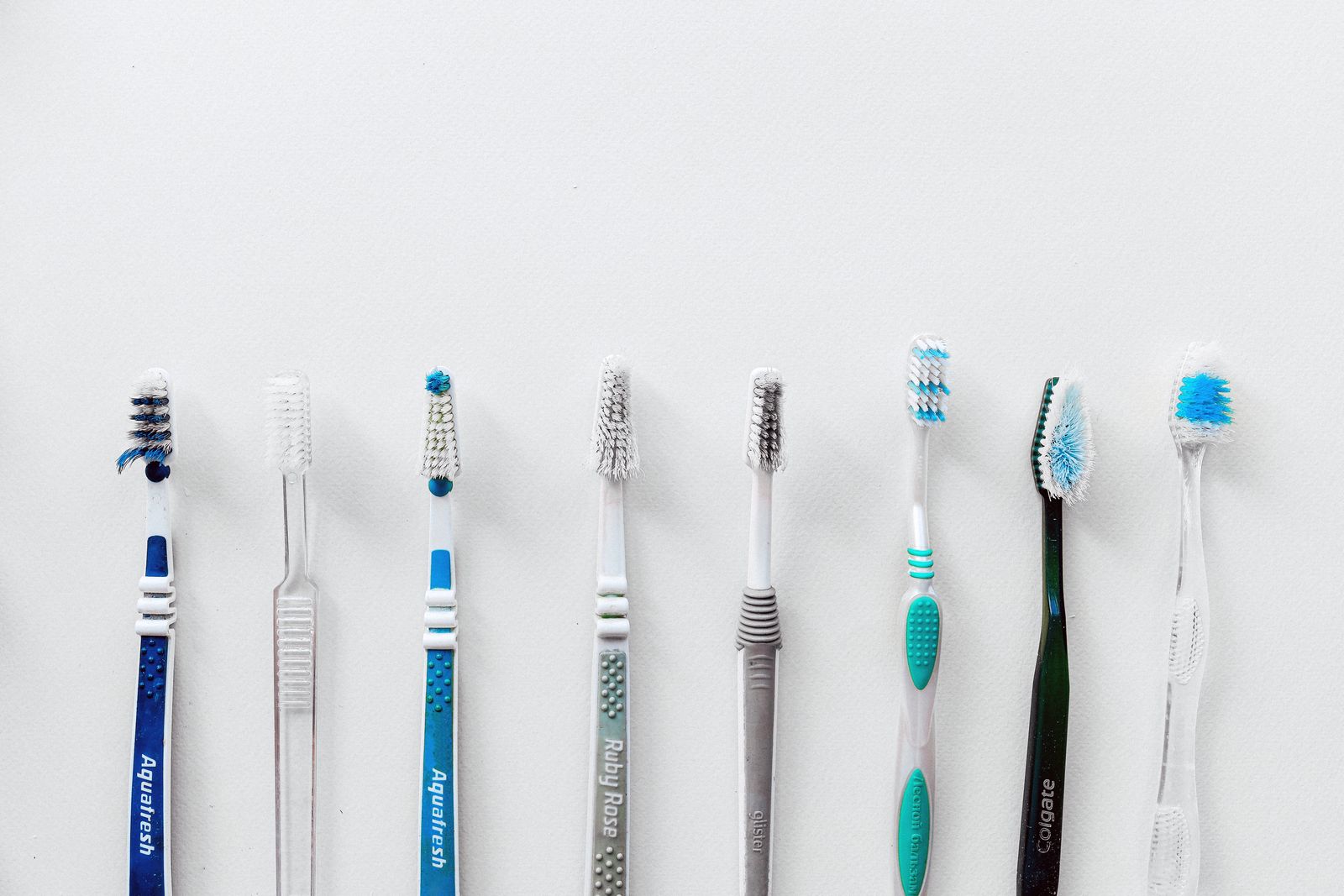
You probably toss an old toothbrush without a second thought, but that small tool can save you money and tackle jobs no sponge can reach. An old toothbrush excels at precision cleaning—grout lines, appliance seams, jewelry crevices, and window tracks all brighten with a few quick scrubs.
Keep a jar under the sink and you’ll always have a go-to detail tool for degreasing vents, refreshing faucets, and cleaning keyboard crumbs. The rest of the article shows why toothbrushes work so well and lists the best ways to use them around your home.
Why Toothbrushes Excel at Household Cleaning
Old toothbrushes combine a compact head, stiff yet flexible bristles, and a comfortable handle, so they reach tight seams, scrub grout, and detail fixtures without bulky tools. They’re easy to sanitize, inexpensive to replace, and work with common cleaners like vinegar, baking soda, or dish soap.
Unique Design Features for Detail Cleaning
The small brush head fits into narrow gaps you can’t reach with cloths or sponges. Use the tip to clean between keyboard keys, inside window tracks, or along faucet seams where grime collects.
Short, dense bristles apply concentrated scrubbing force without bending over large areas. That helps you dislodge hardened deposits—mineral scale or food particles—without spreading residue.
The long handle gives leverage for scrubbing and keeps your fingers away from muck. When you need more abrasion, press the brush flat; for precision, use the tip or corner of the bristle cluster. Toothbrushes also work on textured surfaces like grout and shoe soles where stiff, small bristles get into crevices.
Preparing and Sanitizing Your Toothbrush for Reuse
Sanitize the brush before cleaning surfaces that contact food or skin. Soak the head in hydrogen peroxide for 3–5 minutes, then rinse under hot water. Boiling the brush for 2–3 minutes also disinfects nylon bristles if the handle tolerates heat.
For greasy or smelly brushes, make a quick paste of baking soda and water, scrub the bristles, then rinse thoroughly. Store cleaned brushes with the head up to air-dry; trapped moisture promotes bacteria. Replace a repurposed toothbrush when bristles splay, break, or develop persistent odor.
Eco-Friendly Benefits of Repurposing Old Brushes
Repurposing reduces plastic waste and delays buying single-use detail brushes. Each toothbrush you reuse keeps a small piece of plastic out of the trash for a few weeks or months.
You also save money—no need to buy specialty tools for grout, vents, or appliance seams. A single old toothbrush can handle many tasks: polishing jewelry, cleaning spray-arm holes, or spot-cleaning fabric stains.
When the brush finally reaches the end of its life, check local recycling or mail-back programs for toothbrush plastic, or use the handle in craft or garden labels to further extend its usefulness. For quick ideas on where to use your old brush, see this list of household uses.
Top Cleaning Uses for Old Toothbrushes
Old toothbrushes make precise scrubbing and targeted cleaning simple, inexpensive, and eco-friendly. Use a soft-bristled brush, pair it with mild abrasives or vinegar where needed, and rinse thoroughly after each task.
Deep Clean Grout and Tile
For stained grout, mix a baking soda paste (about 3 parts baking soda to 1 part water) until spreadable. Apply the paste to grout lines, let it sit 5–10 minutes, then scrub with the toothbrush using short back-and-forth strokes to break up embedded dirt.
Work a small section at a time so the paste doesn’t dry. For mildew or soap scum, spray white vinegar after the baking soda, let it fizz for a minute, then scrub and rinse. Use a firm brush for ceramic tile but switch to a softer brush on delicate stone to avoid abrasion.
After scrubbing, wipe excess residue with a damp microfiber cloth and dry the grout to deter future staining.
Bathroom Detailing: Faucets, Drains, and Fixtures
Dip the toothbrush in white vinegar or a mild dish-soap solution to remove lime scale and soap film from faucet bases and spouts. Scrub around the aerator, handle crevices, and the base where grime collects.
For drains and shower seals, apply baking soda paste or vinegar, then use the brush to loosen gunk in the rubber gasket and channel. Rinse by running hot water while scrubbing to flush debris down the drain.
Use gentle pressure on plated or polished finishes to avoid scratching. Sanitize the brush between uses by soaking it in hydrogen peroxide for a few minutes, then rinse and air-dry.
Kitchen Appliances and Surfaces
Old toothbrushes excel at reaching seams: toaster slots, coffee-maker crevices, stove-top burner surrounds, and refrigerator door seals. Make a baking soda paste or use diluted white vinegar to cut grease and lift burned-on food.
Unplug appliances before cleaning. For greasy vents and range hoods, brush along slats and edges, then wipe with a microfiber cloth. For appliance seals, run the toothbrush along the gasket lip to remove trapped crumbs and residue.
For food-contact areas, finish by washing with warm soapy water and drying. Replace the toothbrush used in the kitchen regularly to prevent cross-contamination.
Refreshing Shoes, Jewelry, and Small Items
Use warm water and a few drops of dish soap with the toothbrush to scrub scuffed shoe soles, mesh, or rubber details. For fabric stains, dab first with a cleaner and gently brush; test in an inconspicuous spot first.
For jewelry, soak pieces briefly in warm soapy water, then use the toothbrush to clean crevices and settings. A soft-bristled brush and gentle strokes remove grime without scratching metals or stones.
Rinse cleaned items thoroughly and pat dry. Reserve one toothbrush per task type (bathroom, kitchen, jewelry) to avoid transferring dirt or chemicals.