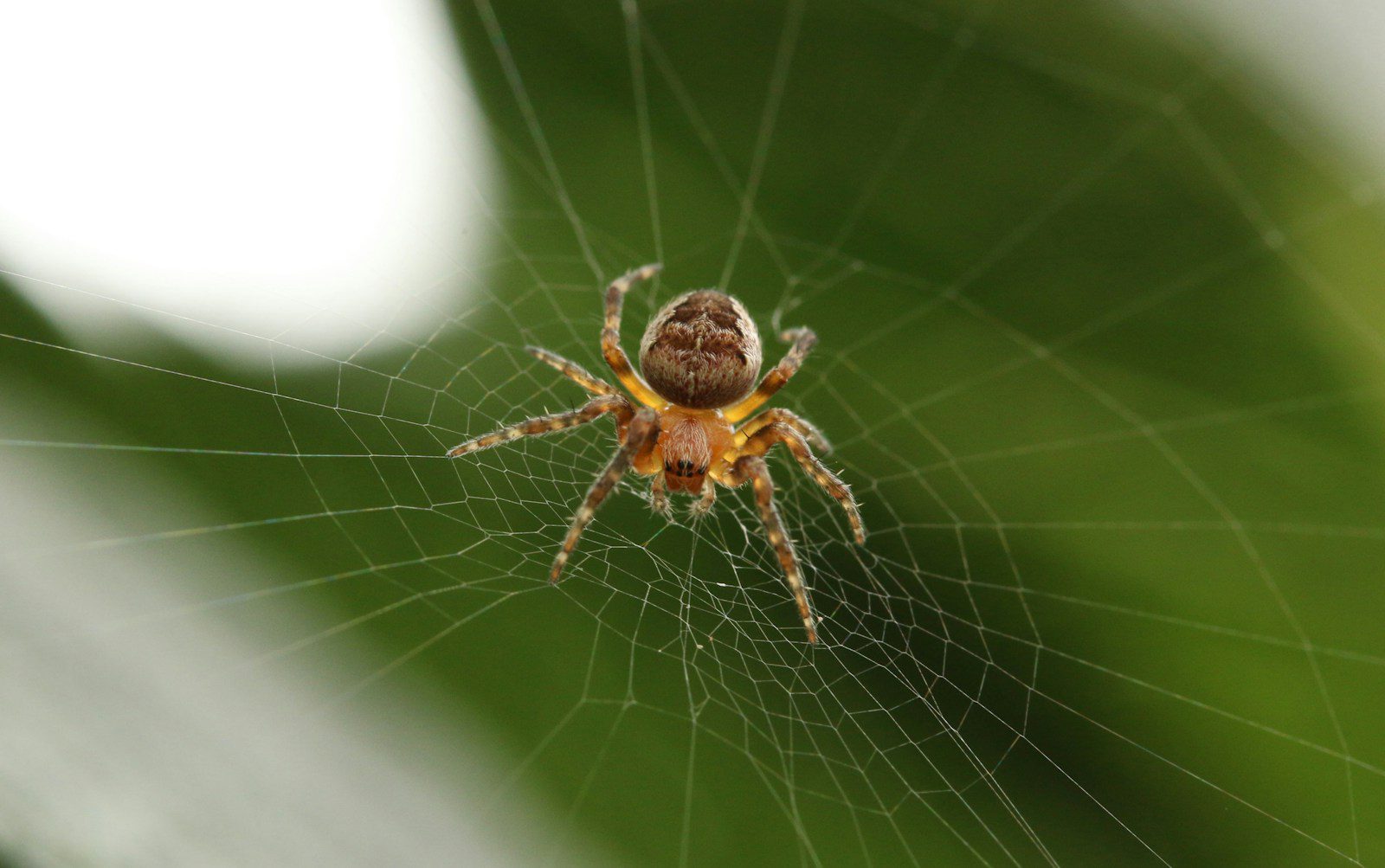
Joro spiders now have confirmed, breeding populations in at least five states beyond Georgia — North Carolina, South Carolina, Tennessee, Alabama and Maryland — with isolated sightings already logged in Virginia and Pennsylvania, according to the University of Georgia’s own College of Agricultural and Environmental Sciences field report. Peak spider-spotting season runs September through October, and last fall alone the citizen-science app iNaturalist logged roughly 10,000 Joro sightings in a single month, per that same UGA report. If your neighborhood hasn’t seen the palm-sized, banana-yellow orb weavers yet, entomologists studying the species say it’s less a question of if than when.
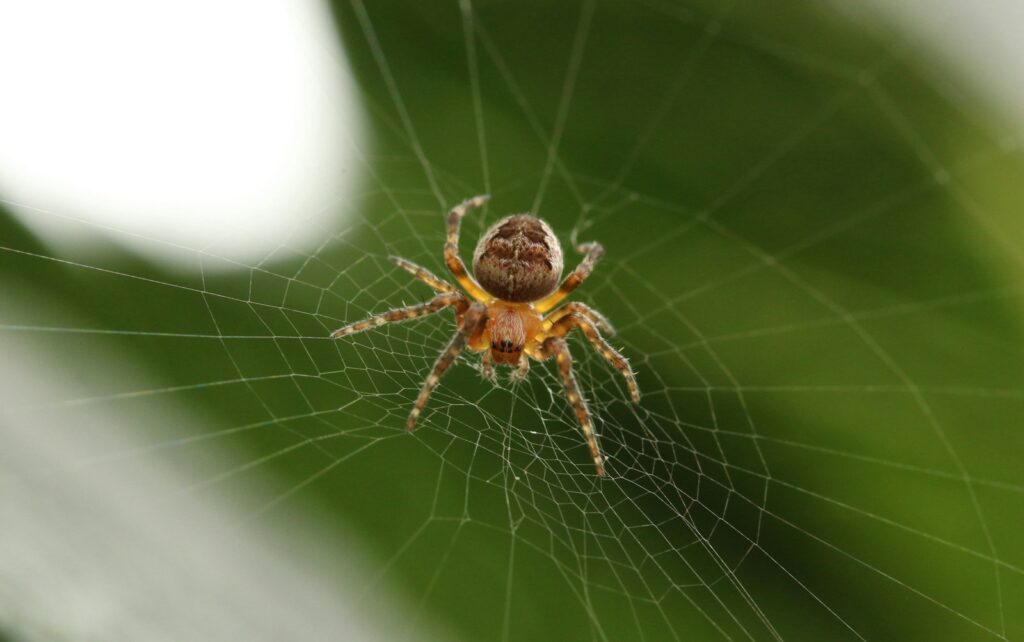
How a Spider With No Wings Crosses State Lines
Joro spiderlings disperse the way many small spiders do — by “ballooning.” A hatchling climbs to a high point, releases a thread of silk into the air, and lets wind currents carry it away, sometimes for tens to hundreds of miles, especially during storms, according to Penn State Extension. That mechanism alone would move the species a modest distance each year. What actually accelerates the spread, university researchers agree, is people. Egg sacs and juvenile spiders hitch rides on vehicles, nursery plants, outdoor furniture and shipping pallets, turning a slow natural drift into sudden jumps of hundreds of miles — which is how an established population turned up around Elkridge, Maryland, and isolated individuals have already been confirmed in Pennsylvania, far outside the spider’s walking or ballooning range.
Why Entomologists Don’t Think This One Can Be Contained
The math is what makes this species different from a typical backyard pest scare. Research out of the University of Georgia’s Odum School of Ecology found the Joro spider has roughly double the metabolism and a 77% higher heart rate than its closest golden silk spider relatives, and it can survive brief freezes that would kill related species outright. Those traits, combined with a climate range in its native Japan that closely matches much of the eastern United States, led the study’s researchers to conclude the species could plausibly survive across most of the Eastern Seaboard. Penn State’s own modeling, based on the spider’s roughly 10-mile-per-year natural spread rate, projects it could reach southeastern Pennsylvania within about three decades — and that estimate doesn’t even account for how often the spider is now moving by car, truck and delivery box rather than by silk thread.
Georgia naturalists who’ve spent over a decade watching the population grow have largely stopped talking about eradication and started talking about coexistence. One longtime Georgia Museum of Natural History researcher who has fielded years of public sighting reports has compared large-scale removal efforts to shoveling sand on a beach — technically possible in any one spot, functionally pointless across a whole coastline. Early UGA field data also suggests Joro spiders are settling in alongside native orb weavers rather than wiping them out, which is one reason extension offices are steering homeowners toward management rather than panic.
What Actually Works in Your Own Yard
None of that means you’re powerless on your own property, even if the regional trend is out of your hands. Extension entomologists at North Carolina State University and Penn State both recommend the same low-effort approach:
Sweep down individual webs built across doorways, porches or high-traffic walkways with a broom or pole — the spider will typically relocate rather than rebuild in the same busy spot. In fall and winter, look for the papery, golf-ball-sized egg sacs females attach to siding, mailboxes, deck railings and shed eaves, and scrape or crush them before spiderlings emerge in early summer; a single sac can hold several hundred eggs. Skip the broad-spectrum insecticides — extension guidance from both universities specifically discourages spraying, since it kills off the native predators and pollinators that would otherwise help keep the Joro population in check, without meaningfully slowing the species down. And if you want to help researchers track the spread in real time, both UGA and NC State point homeowners to the iNaturalist app, where verified sightings feed directly into the same range-mapping data entomologists are using to issue these projections.
The Bigger Picture
What’s happening with Joro spiders isn’t really a story about one alarming-looking bug — it’s a preview of how quickly a species with the right physiology and an assist from human infrastructure can outrun the slow, natural pace scientists once used to predict invasive spread. The spider itself is harmless to people and pets, reluctant to bite, and by most field accounts more a curiosity than a threat. The range map, though, is the part worth paying attention to: it’s less a snapshot of where Joro spiders are today than a rough draft of where they’ll already be by the time most homeowners notice.