Every parent eventually buys something they immediately regret, but few regrets are quite as visceral as the one documented by a creator posting under the handle __blvkmolasses, who used a recent video to air her frustration over a specific kind of children’s toy that turned out to be nearly impossible to clean once kids actually got their hands on it.
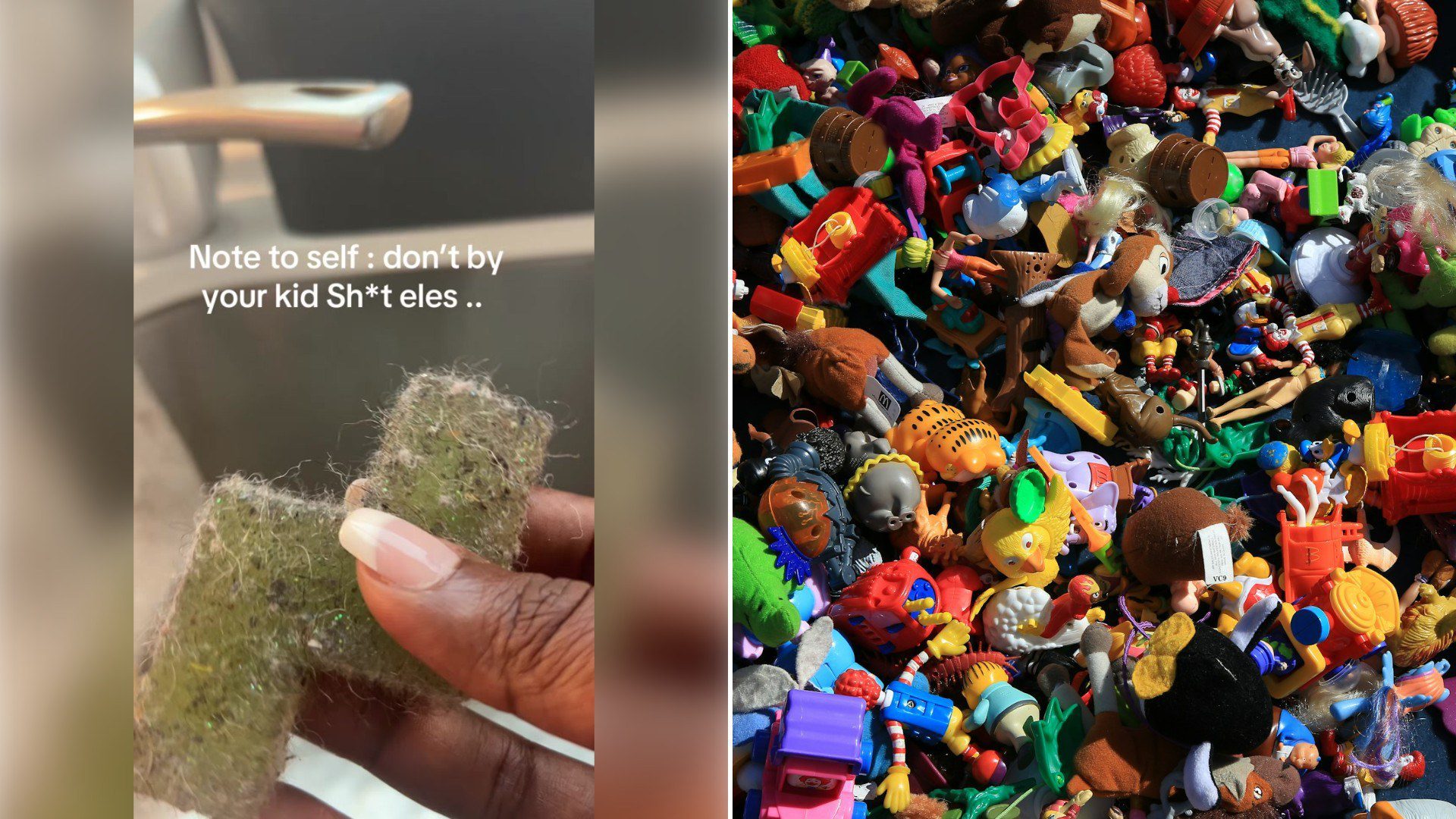
In the clip, she walks through just how disgusting the toy became after normal use, expressing genuine disbelief that any object marketed for children could reach that level of grime so quickly. Her caption leans into that same exasperation, admitting she doesn’t understand how a toy can become this nasty, before rattling off a list of substances she says have ended up mixed into it — corn starch, baby powder, coconut oil — a combination that, once absorbed into a toy’s surface, becomes nearly impossible to fully scrub away.
@__blvkmolasses I just don’t see how a toy can become this nasty 🤣Corn startch , Baby powder , coconut oil .. I’ve tried it all and yet this squishy still gets hairyyyyy . Any tips ?
The video struck a chord with an audience far larger than her usual reach, pulling in approximately 4.7 million views from an account with only about 1,600 followers — an enormous jump that points to just how many parents have lived through their own version of the exact same toy-related regret.
Toy hygiene is one of those parenting concerns that rarely gets serious attention until a parent is staring down a toy that has somehow absorbed a small chemistry set’s worth of substances and shows no sign of ever looking clean again. Certain textures and materials — porous plastics, fabric-covered surfaces, anything with small crevices or moving parts — are especially prone to trapping whatever a curious kid decides to smear, pour, or mix into them, turning what looked like a fun, sensory-friendly toy at the store into a genuine cleaning nightmare at home.
What makes this kind of content so relatable isn’t really the specific toy or the specific mess — it’s the universal experience of buying something with the best of intentions, only to discover after the fact that it has properties no packaging ever warned you about. Every parent has a version of this story sitting in a closet or, more likely, already in a landfill somewhere, quietly written off as a lesson learned the hard way.
For parents hoping to avoid a similar fate with their own toy purchases, a few practical habits can go a long way: checking reviews specifically for cleanability before buying anything with porous or textured surfaces, avoiding toys that pair naturally with messy play substances like sand, slime, or moisturizing products, and building in a regular wipe-down schedule for toys in heavy weekly rotation rather than waiting until the grime has had time to set in and bond permanently with the material.
In the end, the appeal of this video is less about the toy itself and more about the shared, slightly rueful laughter of parents everywhere who have made a similar purchase, watched it deteriorate in record time, and learned — usually the hard way — that not every toy that looks fun in the store is built to survive actual contact with an actual child.
Consumer safety advocates have increasingly pushed toy manufacturers to include clearer material and care information on packaging, specifically in response to complaints like this one, where a toy’s real-world durability and cleanability turn out to bear little resemblance to how it’s marketed. Parents online have become an informal but genuinely influential feedback loop, surfacing exactly the kind of practical, hands-on issues a product review published before actual kids get involved would never catch.
There’s also a growing secondhand economy built around exactly this kind of buyer’s remorse, with parenting groups and resale marketplaces full of barely-used toys offloaded specifically because they proved impossible to keep clean or maintain. Sharing the experience publicly, as this creator did, often saves other parents from making the same costly mistake before it happens to them.
For parents shopping for sensory or textured toys in particular, a good rule of thumb is to search specifically for how a product holds up after contact with common messy substances — reviews mentioning long-term cleanability tend to be far more useful than reviews focused purely on a child’s initial reaction to a new toy.
It’s also worth noting that a toy’s marketing photos rarely reflect anything close to its condition after weeks of actual use by an actual child, which is part of why crowdsourced, real-world reviews from other parents have become such a valuable resource for anyone shopping for kids’ products online. A single honest video like this one can end up saving hundreds of other households from an identical, avoidable purchase.
There’s also a broader lesson here about trusting a child’s actual play patterns over a product’s intended use. Kids frequently repurpose toys in ways no manufacturer anticipated, mixing substances, testing textures, and generally treating an object very differently than its marketing photos suggest, which means the true test of any toy’s durability only really begins once it’s handed over.
Ultimately, the internet’s collective memory of moments like this one tends to outlast any single product’s shelf life, quietly steering future purchasing decisions long after the original video stops circulating.