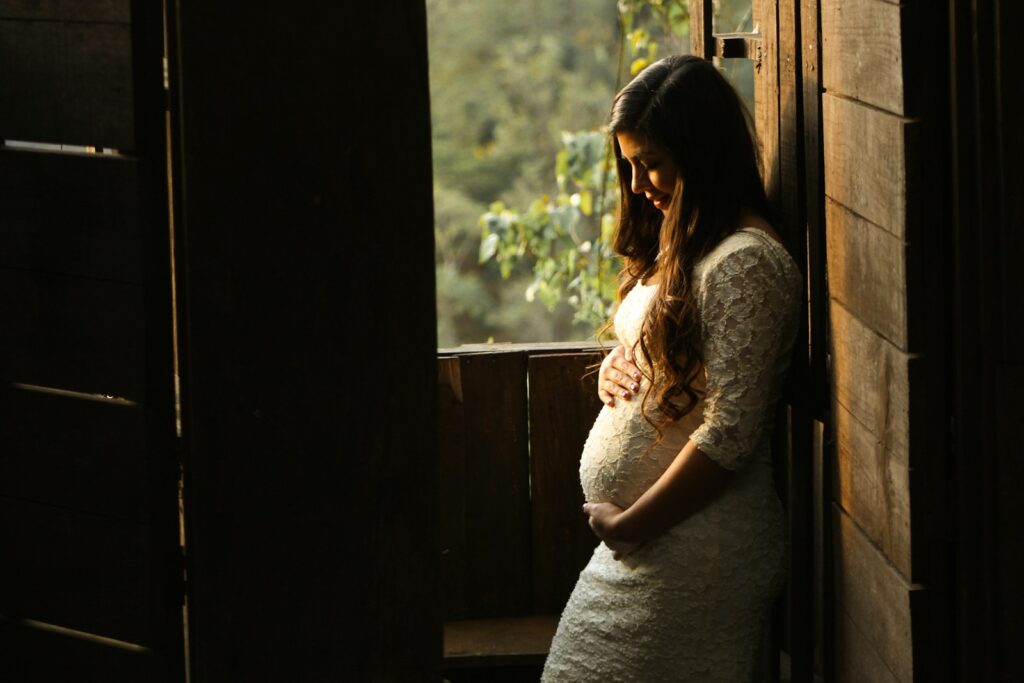
One mom was caught off guard when her excitement for Mother’s Day was met with indifference from her husband. Despite her being pregnant and deserving some special attention, her plans seemed to be overshadowed by his preparations for his own mother and grandmother. The contrast between the gifts she received and the lack of any celebration for her left her feeling uneasy.
Initially, she suggested celebrating Mother’s Day on a different day to accommodate her husband’s mom, which led to frustration on his part. Although they reached a compromise, the mom was already anticipating a letdown. The thoughtful gifts he gave her—a collection of pictures, a nursing dress she had chosen, and chocolate—were appreciated but didn’t quite fill the void of a planned celebration. She wasn’t asking for anything extravagant, just a little acknowledgment for her role as a soon-to-be mother.
It became clear that her husband was more invested in creating a memorable dinner for his mom and grandma than acknowledging her motherhood. He excitedly detailed all the dishes he planned to cook, a thing he hadn’t done in a long time, while the mom felt slighted by the thought of sharing her special day without any focus on her. When she inquired about their own dinner plans, she was met with an uninspired suggestion of a frozen meal from the freezer, something that felt like no effort at all.
The disparity in enthusiasm was hard for her to digest. While she loved the meal he suggested, it was difficult to overlook the stark contrast between the family dinner he was orchestrating and the lack of effort for her. The mom noted that he seemed more excited about his mother enjoying a special day with their child than he was about her own experience. This left her feeling conflicted and guilty, as though her disappointment might come across as being ungrateful for the thoughtful gifts he did get her.
People had very different reactions to her story. Some sympathized with her feelings, acknowledging that it’s natural to want recognition on a day meant to honor mothers. Others pointed out that balancing family dynamics can be tricky, especially during holidays where emotions run high. The consensus seemed to be that the effort and intention behind celebrations matter, and they expressed concern that he didn’t seem to recognize her feelings.
Additionally, some commenters suggested that open communication might be a key to resolving this issue. They encouraged her to have an honest conversation with her husband about how she felt sidelined on such an important day. Their suggestions highlighted the importance of addressing feelings rather than letting them simmer under the surface.
Yet, others were more direct in their criticism of the husband’s approach. They could see how he was prioritizing his family over her, suggesting that he might need a reality check on what Mother’s Day means for a mom. The responses varied, but many agreed that she deserved more acknowledgment than she was receiving. After all, being a parent—especially during pregnancy—comes with its own set of challenges and celebrations that shouldn’t be overlooked.
The entire situation unfolded some complicated feelings about fairness and expectations within a family. The mom wanted to celebrate her journey into motherhood, but it felt like she was left holding the bag since her husband focused on his own mother’s experience. It triggered thoughts on how often partners communicate their needs and desires, particularly during special occasions.
Ultimately, for this mom, it was not just about the gifts or the meals, but the recognition of her new role in the family. As the day approached, she seemed to struggle with feelings of jealousy and longing for more from her partner. While gifts are nice, the emotional support and celebration of her pregnancy were what she truly craved. It leads to the question: how can partners balance their obligations to extended family while still honoring each other in their journeys as parents?
More from Decluttering Mom: