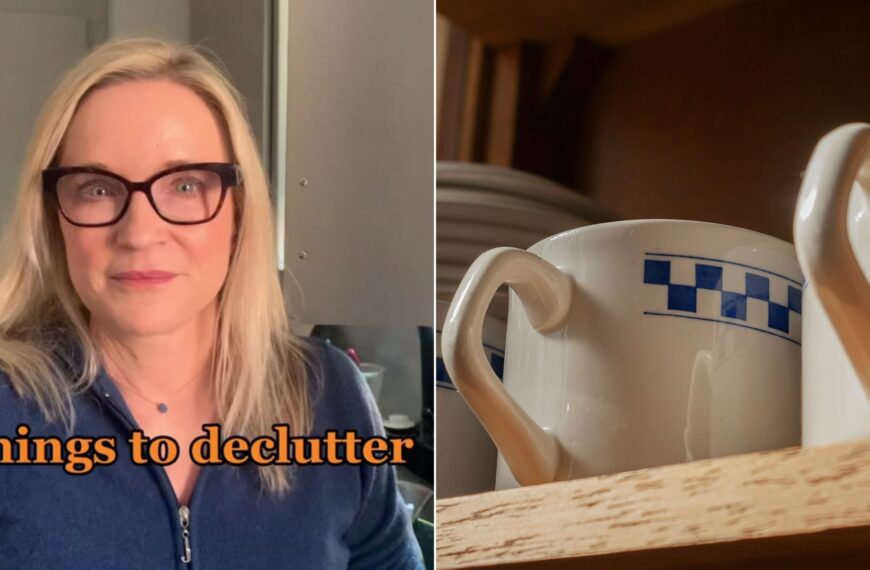
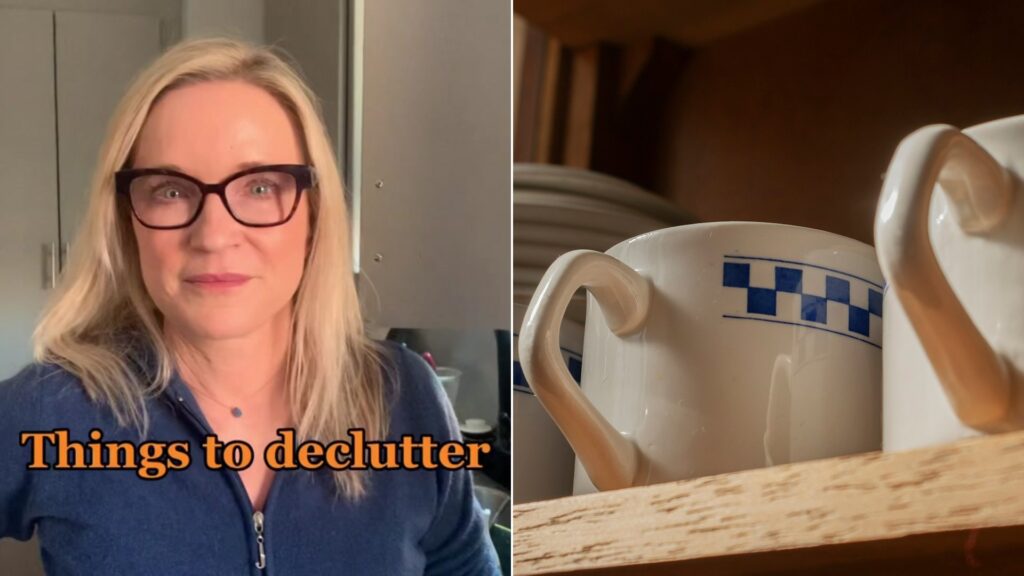
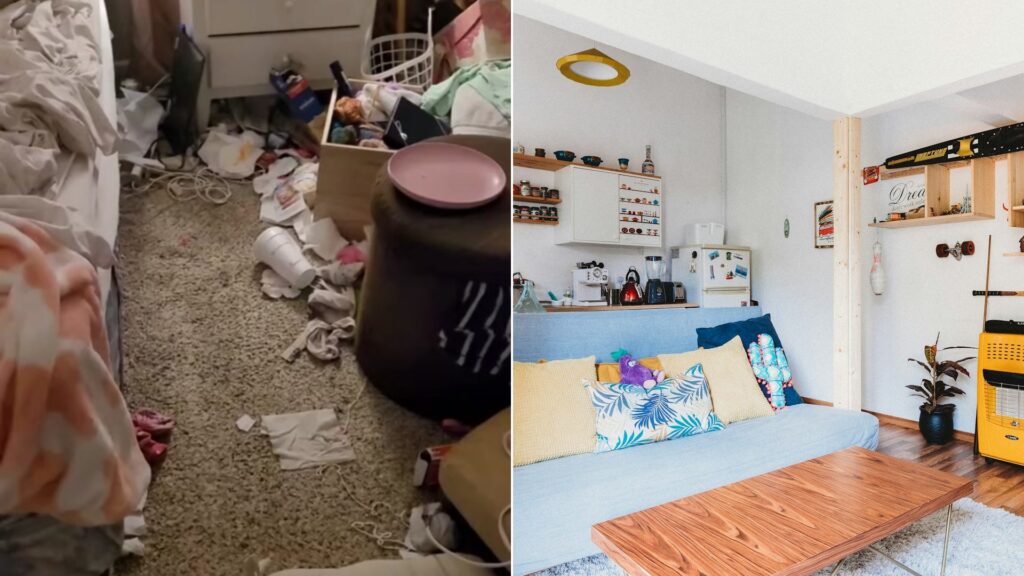
Ask almost anyone why their house is cluttered and you will hear a familiar list: no time, no storage, no system. Professional organizer @geoff.organizer says those are not the real problem. In a short message about the biggest decluttering mistake people make, he points to something far simpler that most tips skip over, and it probably shows up at your front door several times a week.
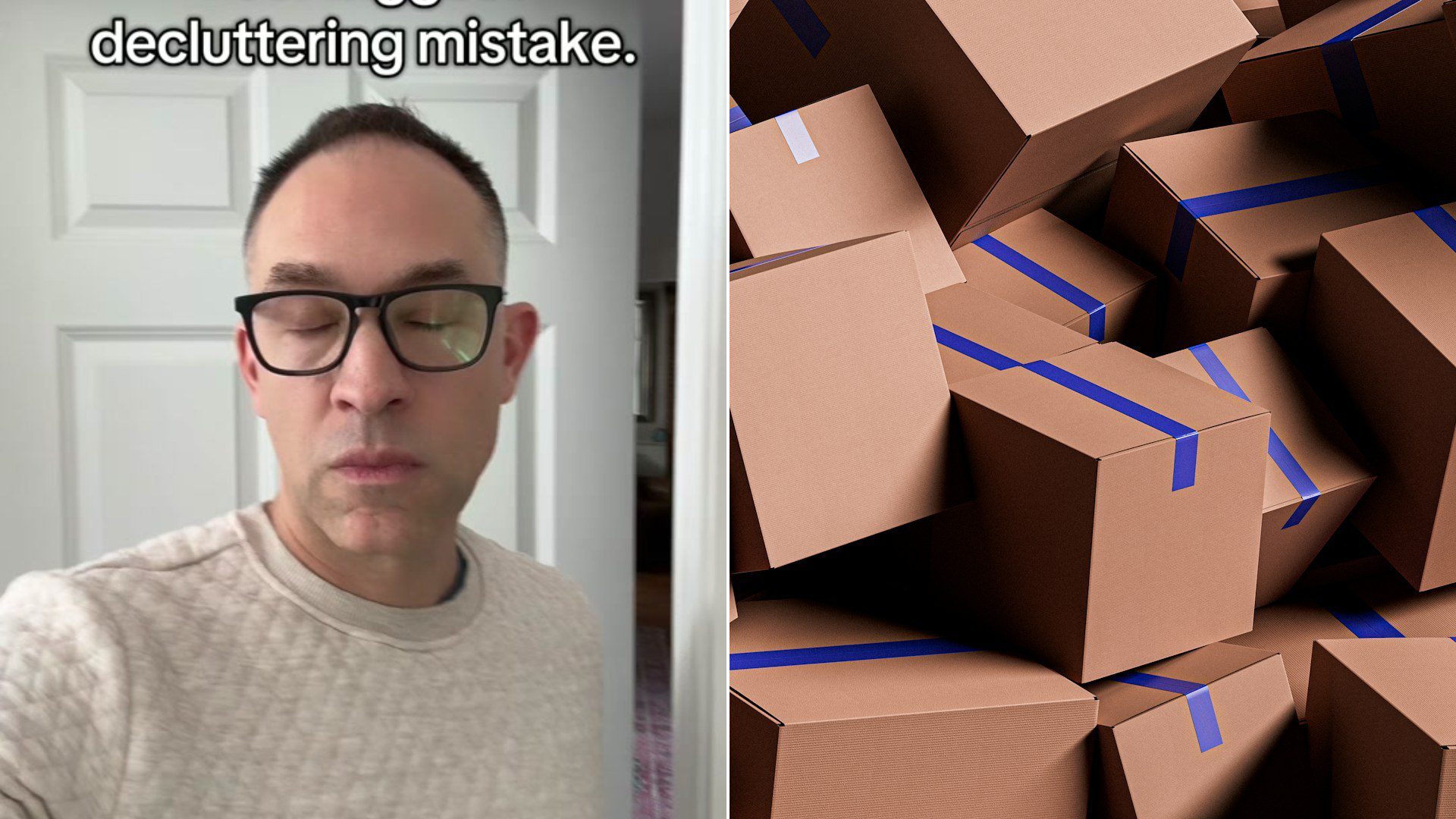
He describes himself as a professional organizer with a project management background, someone used to setting clear goals, making a plan and getting things done. So when he talks about why decluttering fails, he is thinking like a planner, and his answer is about flow rather than willpower.
@geoff.organizer
The advice everyone already gives
He starts by acknowledging the popular tips. Focus on one small area. Set a timer for fifteen minutes. Do not try to do everything at once or you will get overwhelmed. Do not buy organizing bins before you have actually decluttered. He says all of those suggestions are good and real, so he is not knocking them.
The part nobody says out loud
What he says no one is telling you is that you have to stop buying stuff for a while. Think about how many packages come into your house every day, he says. All of that is more stuff, and eventually it is going to turn into clutter. His advice is to turn off the flow, even if only for a short stretch, and you will have a much easier time decluttering.
It is a simple idea, and it explains something many people have felt without naming it: you can spend a weekend clearing a closet and still end up with a full house a month later, because the amount coming in matched the amount going out.
Think of it like a bathtub
A useful way to picture this is a bathtub. Decluttering is the drain, and shopping is the faucet. If the faucet runs faster than the drain, the water level rises no matter how hard you work to empty the tub. You can bail all day, and the tub still fills. Turning off the faucet for a few weeks lets the drain catch up, and the level finally starts to fall.
Online shopping has made the faucet easier to leave running. A same-day delivery, a subscription box, an app that remembers your card and a cart that is always one tap from checkout all make buying feel almost effortless. Items arrive, get set on a counter or in a corner, and become tomorrow’s pile before anyone has decided if they were needed at all.
How to turn off the flow without feeling deprived
You do not have to give up shopping forever. Think of it as a pause that gives your home time to catch up. Here are some practical ways to do it.
- Pick a time frame. A pause of two to four weeks is long enough to feel a difference and short enough to stay realistic. Write the dates on your calendar.
- Keep essentials on the list. Groceries, medications, pet food and anything your household truly needs are fine. The pause is for extras, impulse buys and things that are merely nice.
- Use a wish list instead of a cart. If you see something you like, add it to a note on your phone. If you still want it when the pause ends, you can decide then.
- Unsubscribe from sale emails. Promotional messages are designed to create urgency. Fewer of them means fewer temptations.
- Remove saved payment details. A little friction can interrupt a late-night order.
- Check your subscriptions. Auto-ship items and monthly boxes that nobody is using keep adding to the pile. Pause or cancel the ones you do not need.
- Handle incoming boxes right away. Open them the day they arrive, break down the cardboard and put the contents where they belong, so packages never settle in the hallway.
Ask a question before you buy
When the pause is over, a few simple questions can keep the clutter from rebuilding. Where will this live in my home? What will I get rid of to make room for it? Do I already own something that does the same job? Would I buy it at full price? If you cannot answer the first question, the item is likely to become one more thing without a home.
Family and friends can be part of the flow too. Gifts, hand-me-downs and freebies are common ways that clutter arrives without a purchase. It is perfectly polite to say that you are simplifying and would prefer an experience, a consumable treat or nothing at all. Many people are relieved to be asked.
A calmer house starts at the door
The takeaway from this organizer is refreshingly practical. Before you buy another set of bins, schedule another weekend purge or read another list of tips, look at what is coming in. If your household is bringing home more than it lets go of, no decluttering method can win for long.
The good news is that the fix is free. Stopping the stream of purchases costs nothing, saves money and makes every other step easier. A few weeks from now, you might find that the closet you finally cleaned out stays that way, and that your front hall is clear of boxes.