
A young man put in a grueling seven-hour day, tearing up flood-damaged flooring and clearing debris, only to come home to a reprimand over a few pieces of trash he missed. It’s a scenario that many might find hard to believe, especially given how much effort he had invested into the restoration of a family home. Yet, for this son, the transition from hard work to a hurtful critique felt like a punch in the gut.
The backstory reveals a family dealing with significant challenges. After his parents took in the son and his partner due to tough financial circumstances, the situation became even more difficult when heavy rain caused the lake nearby to flood their home. With pets in the mix and one family member at the hospital, the dynamics were strained. They managed to find temporary accommodations, but as costs mounted, they squeezed into a camper to ride out the crisis together.
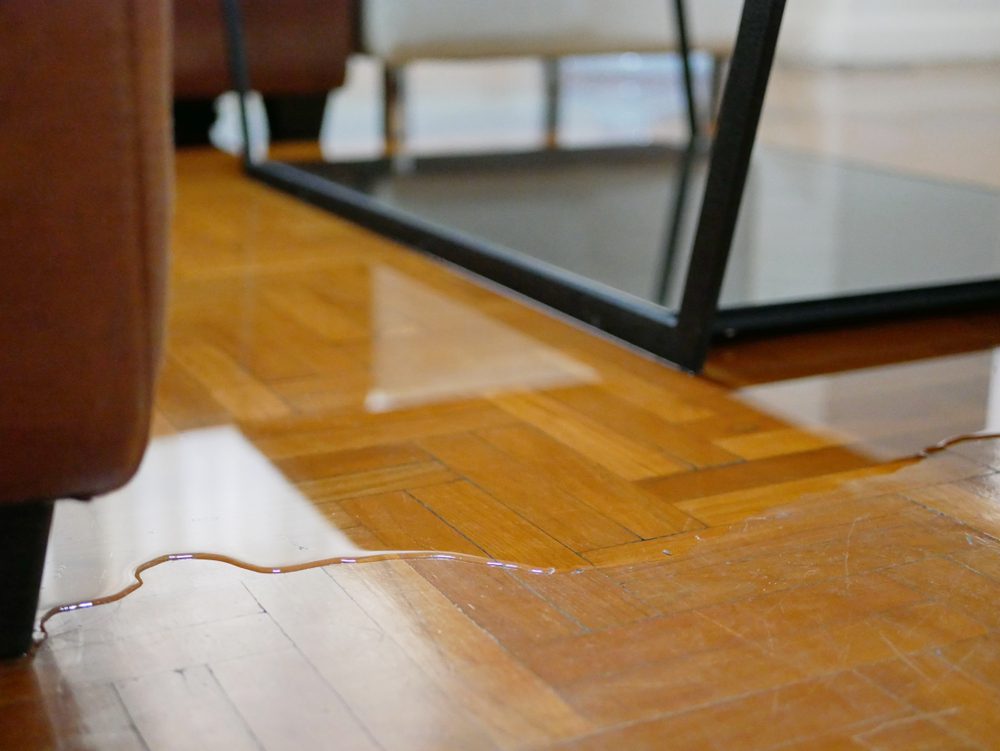
Eventually, after enduring weeks of displacement, the floodwaters receded, presenting an opportunity to start reconstruction. The son and his partner took charge of the heavy lifting, tackling the daunting task of demolishing the damaged areas of their home. It wasn’t glamorous work—prying up tiles and hauling away trash is not what anyone dreams of doing. Nevertheless, the son poured his energy into the project, determined to help improve their living situation.
After a full day of labor, the son finally took a break. He thought perhaps he would receive some acknowledgment for his dedication. However, shortly after his mother returned home, she immediately noticed a few pieces of trash he had overlooked in the chaos. Instead of recognizing his hard work, she scolded him for not cleaning up thoroughly. This reaction ignited his frustration, leading him to remind her that he was not responsible for the state of the house alone and that his father was capable of contributing as well.
People had very different reactions to this story on Reddit. Some sympathized with the son, feeling it was unreasonable for a mother to chastise him after he had put in so much effort. Others pointed out that family dynamics can be complicated, especially when multiple generations are involved under one roof. Some even suggested that clear communication about expectations could help alleviate misunderstandings like this one.
Others emphasized the importance of recognizing contributions within a family—especially when the contributions are significant, like tackling a home reconstruction alone. While one commenter noted that the son went above and beyond, another posited that such family tensions are not uncommon, especially in stressful situations like dealing with a flooded home and a sick family member.
The situation also raised questions about responsibility. Was the son’s effort sufficient? Should he have been held to a higher standard due to the family circumstances? Or did the mother simply react in the heat of the moment, forgetting the toil her son had just endured? These dynamics introduced a layer of complexity that made the narrative compelling yet relatable for those who have navigated similar family struggles.
Overall, it’s clear that amidst the chaos of flood recovery, communication and appreciation are essential. The mother’s response might reflect broader patterns in family expectations, while the son’s reaction highlights a desire for acknowledgment and shared responsibility. Each side seems to have a stake in the family’s recovery efforts, but how they handle those expectations can lead to misunderstandings.
As these conversations unfolded in the comments, it left readers wondering how families reconcile their roles during challenging times. When does helping out become a burden, and how can family members effectively communicate their needs and frustrations without stepping on each other’s toes? This scenario undoubtedly echoes the experiences of many, yet it also raises more questions than it answers.
More from Decluttering Mom: