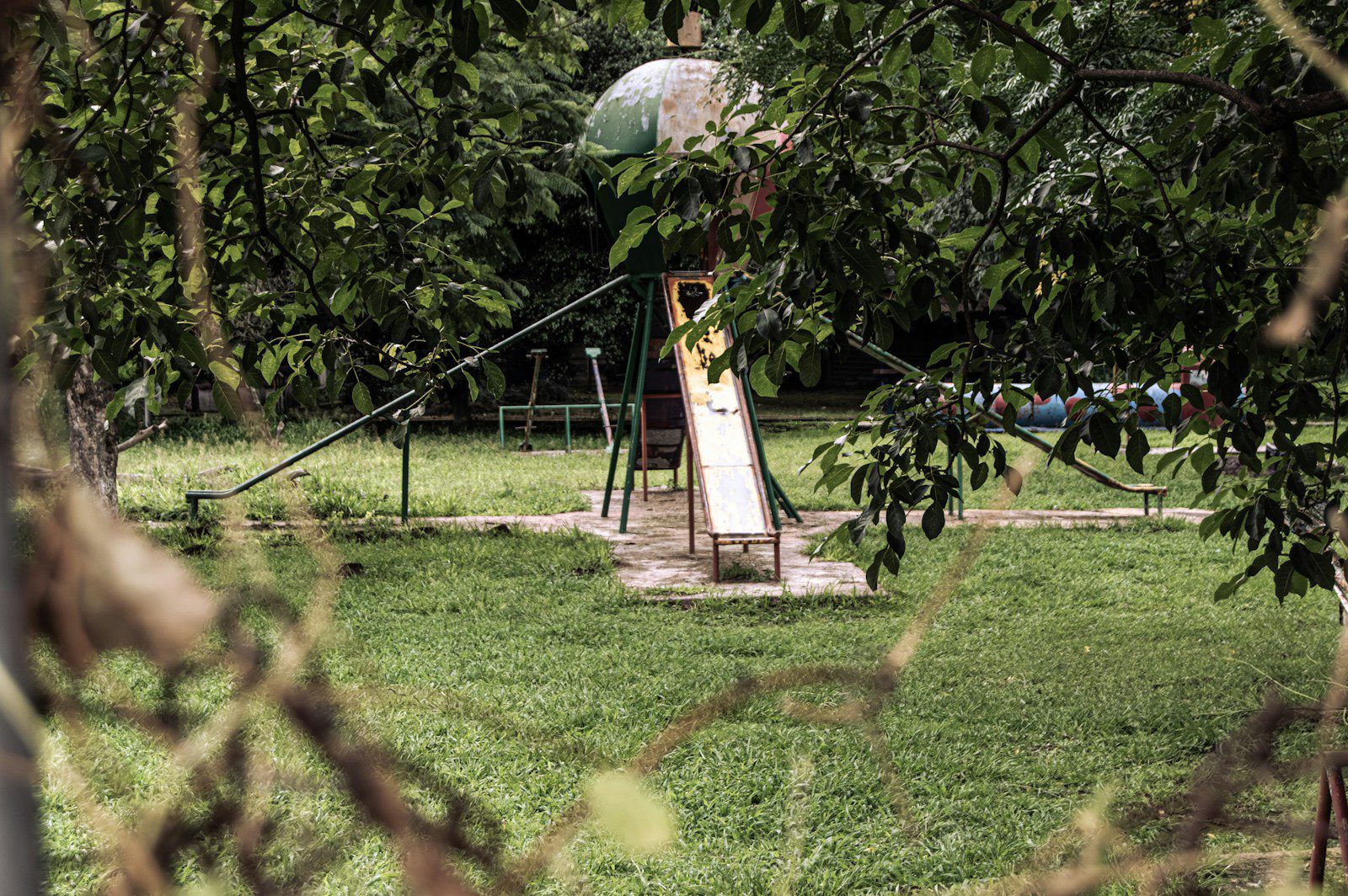
One mom was caught off guard while leaving the local park when she noticed something that made her uneasy. Right on the walking path, she spotted a large shard of glass accompanied by several other pieces scattered nearby. It was the remains of a shattered glass bottle, and this wasn’t just any area—it was a playground frequented by small children from a nearby preschool. The thought of kids navigating this dangerous mess was enough to prompt immediate action.
The glass was perilously close to where kids ride bikes and scooters, and just a few steps away from the parking lot. Instead of passing by, she felt compelled to do something. Kneeling on the ground, she began to pick up the sharp, glimmering shards. Another woman stopped to help, and together, they expressed disbelief at the inconsideration that led to this situation. It was hard to fathom how someone could break a bottle and then walk away without a second thought.
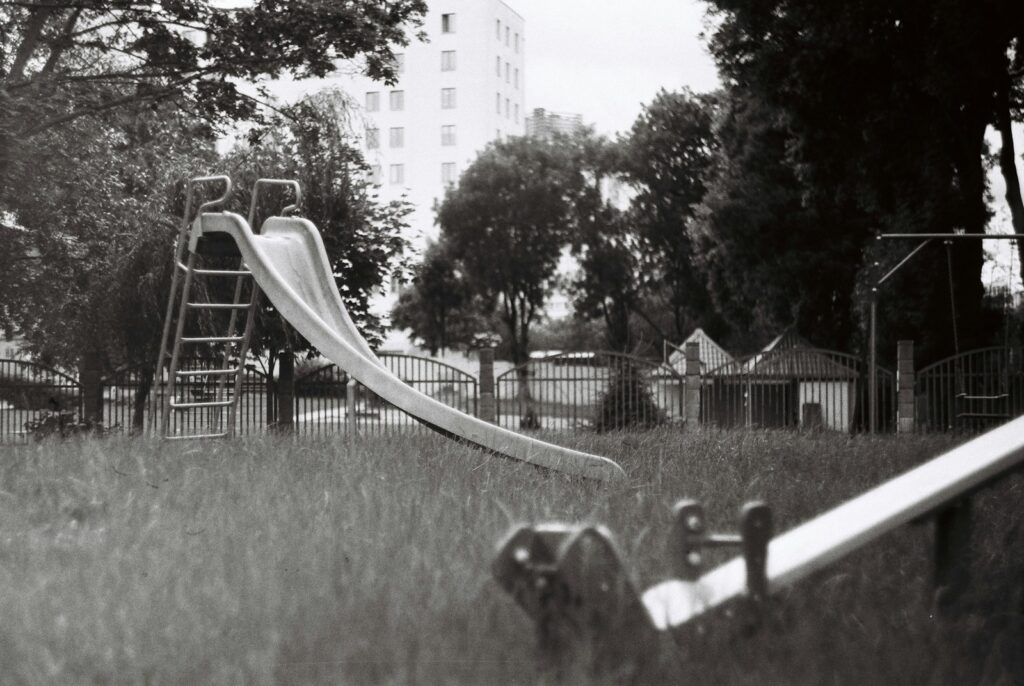
The trash can was merely six feet away from the scattered glass, a distance that seemed trivial but proved insurmountable for the unknown culprit. It raised a curious question: what is the threshold for inconvenience? In a world where people often go out of their way to dispose of their waste properly, a mere six feet was just too far for someone to bother. The mom and her helper gathered as much as they could and disposed of it safely.
This incident sparked a lively discussion on Reddit. People had very different reactions to the mom’s experience. Some were incredulous, questioning how someone could leave such a dangerous mess in a play area. “It’s unbelievable that people can be so careless,” one commenter remarked, emphasizing the risk to children. Others chimed in, sharing similar experiences where they encountered litter or hazardous objects in public spaces. The general sentiment was a mix of frustration and disbelief.
While some focused on the shocking behavior of the litterer, others pointed out that the responsibility of keeping public spaces safe falls on everyone. A few commenters noted that it shouldn’t take a crisis for individuals to show concern for their community. “It’s everyone’s job to keep these places clean, not just the ones who want to crawl around picking up glass,” one user stated. This highlighted a sense of collective accountability, suggesting that the community should work together to maintain safety for all.
In the midst of the reactions, some people took a lighter approach, sharing humorous anecdotes about their own encounters with litterbugs. “I once saw a guy toss a wrapper right next to a trash can. It was like he was training for the Olympics of laziness,” a commenter joked. These comments injected some humor into an otherwise serious scenario, reminding everyone that sometimes, laughter is the best reaction to frustrating behavior.
Others, however, felt that the incident was more indicative of a broader societal problem. A few folks mentioned how common it has become to see litter in public areas, especially in playgrounds where children are involved. “It’s sad that we even have to discuss this,” one parent mentioned, reflecting on the decline of public care and respect for communal spaces. This brought the conversation back to the core issue of community responsibility and the values instilled in future generations.
As the discussions unfolded, it became apparent that attitudes toward littering go beyond the act itself. For many, it symbolizes a disregard for the well-being of others and the shared spaces communities depend on. The mom who crawled around to clean up the glass was initially unsettled by the discovery, but her actions inspired a broader discussion on accountability, respect, and the importance of looking after public spaces.
The situation raises lingering questions about how to encourage better behavior in communal environments. How can communities hold individuals accountable for their actions? What will it take for people to think twice before littering? The answers remain elusive, prompting more reflections on daily choices and their impact on those around them.
More from Decluttering Mom: