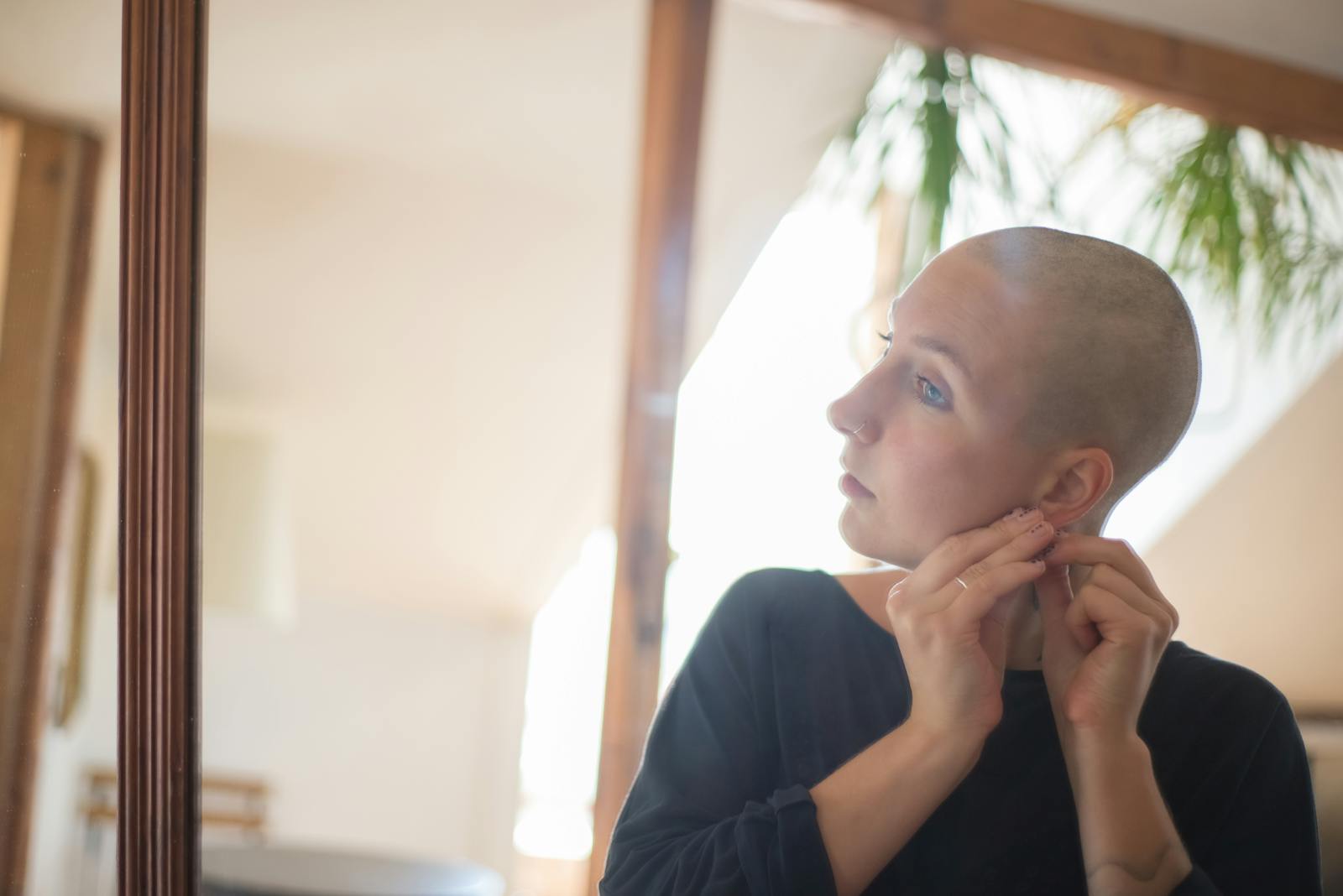
A 22-year-old woman diagnosed with terminal cancer has decided to max out her credit card, embracing a philosophy of living in the moment. With little time left and an outlook that might seem shocking to many, she shared her story on Reddit, capturing the attention of a community that had mixed feelings about her choices.
After battling cancer for two years, going through chemotherapy, and even losing her leg, she found herself in a situation where treatment was no longer effective. Facing a prognosis of weeks or months left to live, she took a bold step—she applied for a credit card with a £6,500 limit, choosing to indulge in whatever brings her joy without regard for future consequences.

In her post, she didn’t hold back, stating plainly, “The debt will die with me, and I give no fucks.” This blunt admission sparked curiosity and heated discussions among readers. Some were taken aback by her carefree attitude toward debt, while others admired her decision to prioritize happiness in her remaining days.
People had very different reactions to her approach. Some pointed out the potential consequences of her spending habits, questioning the morality of racking up debt without a plan for repayment. Others expressed admiration for her boldness. One commenter noted that she might inspire others to change their perspectives on life and death, encouraging a spirit of living fully without hesitation.
In updates to her original post, she continued to share her spontaneous purchases, reflecting her desire to create memories rather than worry about the future. She bought sentimental jewelry with her handwriting for family members and indulged in a lavish £360 seafood lunch, specifically a crab dish she wanted to savor before losing the ability to eat properly. Her whimsical list also included three Jellycats, comfy trousers, and a hand-knitted blanket for her niece.
This sense of nostalgia shaped her spending decisions. She took her brothers to an arcade and dedicated time to family outings, like a visit to her favorite seaside town. Her choices seemed to resonate with many, who applauded her focus on making the most of her time. She also dedicated a significant amount—£1,000—to food bank groceries and made donations to charities that supported her during her illness, showing a desire to give back and make a difference in her community.
However, some readers had reservations about her attitudes towards religion. While many offered prayers and spiritual support, others pushed for a discussion on faith, suggesting that she might find peace in spirituality as she navigates her final days. In her responses, she made it clear that while she appreciated the well-wishes, the idea of finding God was not part of her plan.
As her health continued to decline, she maintained a candid tone in her updates, recounting her experiences watching television and enjoying simple pleasures like apples and cheese. Despite feeling weaker and becoming bedbound, she emphasized the importance of being around friends and family, sharing that these connections brought her comfort. Her straightforwardness drew admiration and empathy from the Reddit community, with many expressing a desire to remember her spirit.
While her choice to run up credit card debt might seem reckless to some, it has led to a deeper discussion about what it means to live authentically in the face of mortality. As her story spread, it prompted others to reflect on how they approach their own lives and the pressure of societal expectations regarding financial responsibility. It’s a poignant reminder that perspectives on life and death can vary greatly.
As the conversation continues, questions linger about the balance between living fully and being financially responsible. While some find her choices liberating, others worry about the implications. How does one decide what to prioritize when time is limited? Is it reckless to spend without worry, or is it a celebration of life in its most fragile form?
More from Decluttering Mom: