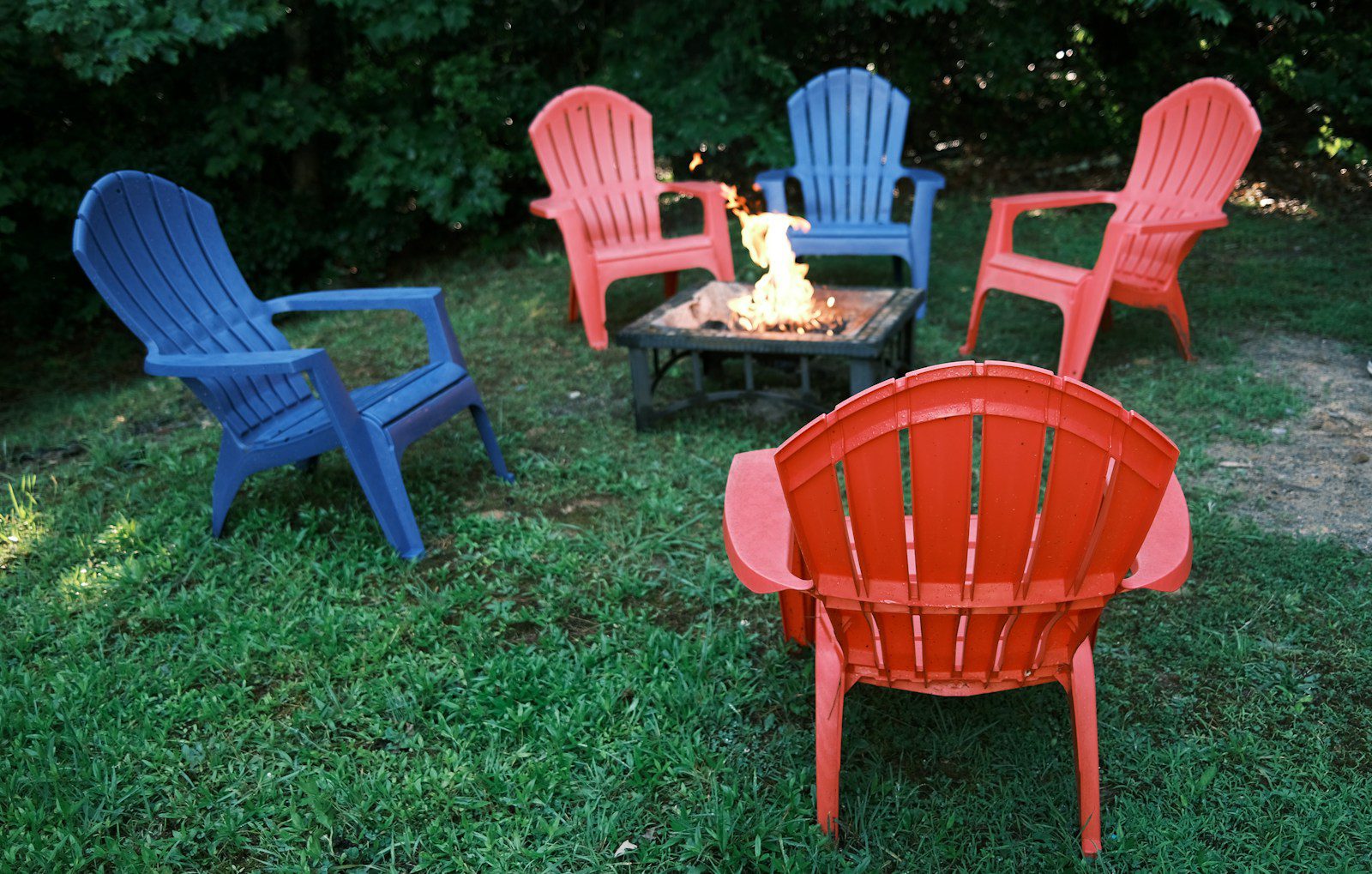
Twenty-five feet. That’s the distance a fire pit typically has to sit from your house, your neighbor’s fence line, or any combustible structure under a surprising number of city fire codes, and it’s a lot farther than where most backyard pits actually end up. South Bend, Indiana’s fire code puts recreational fires at a 25-foot minimum from structures. Minnetonka, Minnesota requires the same 25 feet for any permanently installed fire pit, dropping to 15 feet only for portable units. Medford, New Jersey’s fire code splits the difference at 25 feet for an unapproved container and 15 feet for one that’s passed inspection. None of these are obscure rules from a single strict town. They’re a pattern, and most homeowners who bought a fire pit off a shelf or built one out of pavers have never measured against it.

What the Rules Actually Say
The specifics vary by city, but the shape of the ordinance repeats almost everywhere researchers looked. Size limits cluster around three feet in diameter and two feet in height for what counts as a “recreational fire” exempt from a full burn permit, which is the language both South Bend and Medford use nearly word for word. Cross that size threshold, or use an unapproved container inside the minimum clearance, and it’s reclassified as open burning, which comes with a jump to 50 feet from any structure in South Bend’s code and a formal Fire Prevention permit requirement in Medford’s. Minnetonka requires an annual permit for any wood-burning recreational fire regardless of size, something a lot of homeowners never realize until a neighbor calls it in. Gas and propane fire features tend to get a pass on the permit requirement in these codes, but even they usually carry their own five-foot minimum clearance from structures.
Why the Pit You Bought Might Not Comply
Retail fire pits are designed and marketed around patio dimensions, not municipal setback maps. A typical suburban patio is well under 25 feet deep from the house, which means a pit placed at a comfortable conversational distance from the back door can violate the structure setback before anyone strikes a match. The property-line math is worse in denser subdivisions, where 25 feet can eat most of a standard lot’s width. Portable pits get a break in cities like Minnetonka that carve out a shorter 15-foot minimum for non-permanent units, but “portable” has a specific meaning in these codes, generally something that isn’t set in a permanent masonry surround or built into hardscaping, and a heavy steel bowl sitting in the same spot every weekend for three years doesn’t automatically qualify.

How This Actually Surfaces
Most of these rules go unenforced until someone reports a problem, which is exactly why homeowners find out the hard way. South Bend’s code specifically authorizes the fire chief to order a fire “immediately discontinued” if it creates a hazardous condition, and city officials there note that fires creating a danger or nuisance can be extinguished by fire department personnel on the spot. That’s the mechanism behind the familiar story of a neighbor calling in a complaint and a crew showing up mid-gathering: the ordinance was likely being violated the whole time, it just took a complaint to trigger a response. Smoke drifting onto a neighbor’s property, a fire running later or larger than usual, or a new resident unfamiliar with a longstanding backyard tradition are the typical triggers that turn an unenforced rule into an actual citation.
What to Check Before Your Next Fire
The fix here isn’t complicated, it’s just a step almost nobody takes before buying or building a fire pit. Pull up your city or township’s fire code, usually searchable by name plus “open burning” or “recreational fire,” and look specifically for the setback distance and size limit rather than assuming a fire pit sold at a home improvement store is automatically compliant. Measure the actual distance from your pit’s location to your house, your garage, and your property lines, not just an eyeballed guess. If a permit or annual registration is required, as it is in Minnetonka and for larger burns in Medford, it’s typically a short form and a modest fee rather than a real obstacle. That paperwork is also what protects a homeowner if a complaint ever does come in, since a permitted, compliant setup is a very different conversation with a fire inspector than one that isn’t.
The rule itself usually isn’t the surprise. What catches people off guard is realizing it existed the whole time their pit sat exactly where it shouldn’t have.