

If you’re looking to turn your vintage clothing into quick cash, it helps to know which pieces sell fast and attract buyers. The best vintage clothes to sell quickly are those with recognizable brands, distinctive styles from popular eras, and items in excellent condition. These tend to catch the eye of collectors and fashion enthusiasts who are ready to buy. I’ve found that certain items like vintage Levi’s jeans, classic band tees, leather jackets, and unique designer pieces often move faster than others. Pieces from the 70s to early 2000s with a clear story or unique detail usually sell well, especially on platforms like eBay, Depop, and Poshmark.
Knowing where and what to list can save you time and help you get the best price. I’ll share some practical tips on spotting high-demand vintage clothes and how to sell them efficiently so you can maximize your earnings.
Top Vintage Clothes That Sell Fast
Certain vintage clothes move quickly because buyers look for unique styles, trusted designer labels, or seasonal pieces that fit current trends. I’ve noticed that focusing on these areas can help sellers turn inventory into cash faster.
Most Popular Vintage Styles
Classic denim jackets, 90s windbreakers, and bohemian dresses are among the vintage styles that consistently sell well. These pieces often have timeless appeal and nostalgia that attracts buyers.
Leather biker jackets and graphic tees also rank high in demand, especially when they show authentic signs of wear that add character. Vintage band merchandise and iconic sportswear brands tend to catch buyers’ eyes fast.
The key is to highlight distinctive details like embroidery, patches, or rare prints that make an item stand out. Simple, versatile pieces are easier to sell quickly too.
High-Demand Brands and Designers
Designer clothes with recognizable labels like Chanel, Gucci, and Yves Saint Laurent often sell fast because buyers trust their quality and brand prestige. Vintage pieces from these brands can command higher prices, especially if in good condition.
Sportswear brands such as Nike and Adidas enjoy strong resale value now, along with heritage denim labels like Levi’s and Wrangler. These brands combine fashion and functionality, appealing to many buyers.
When selling used clothes, authentic tags and proof of vintage authenticity help build buyer confidence. I always recommend emphasizing the brand name clearly in your listings.
Seasonal Trends for Quick Flips
Seasonal shifts affect which vintage clothes sell fastest. In fall and winter, thick wool coats, knit sweaters, and flannel shirts tend to move more quickly.
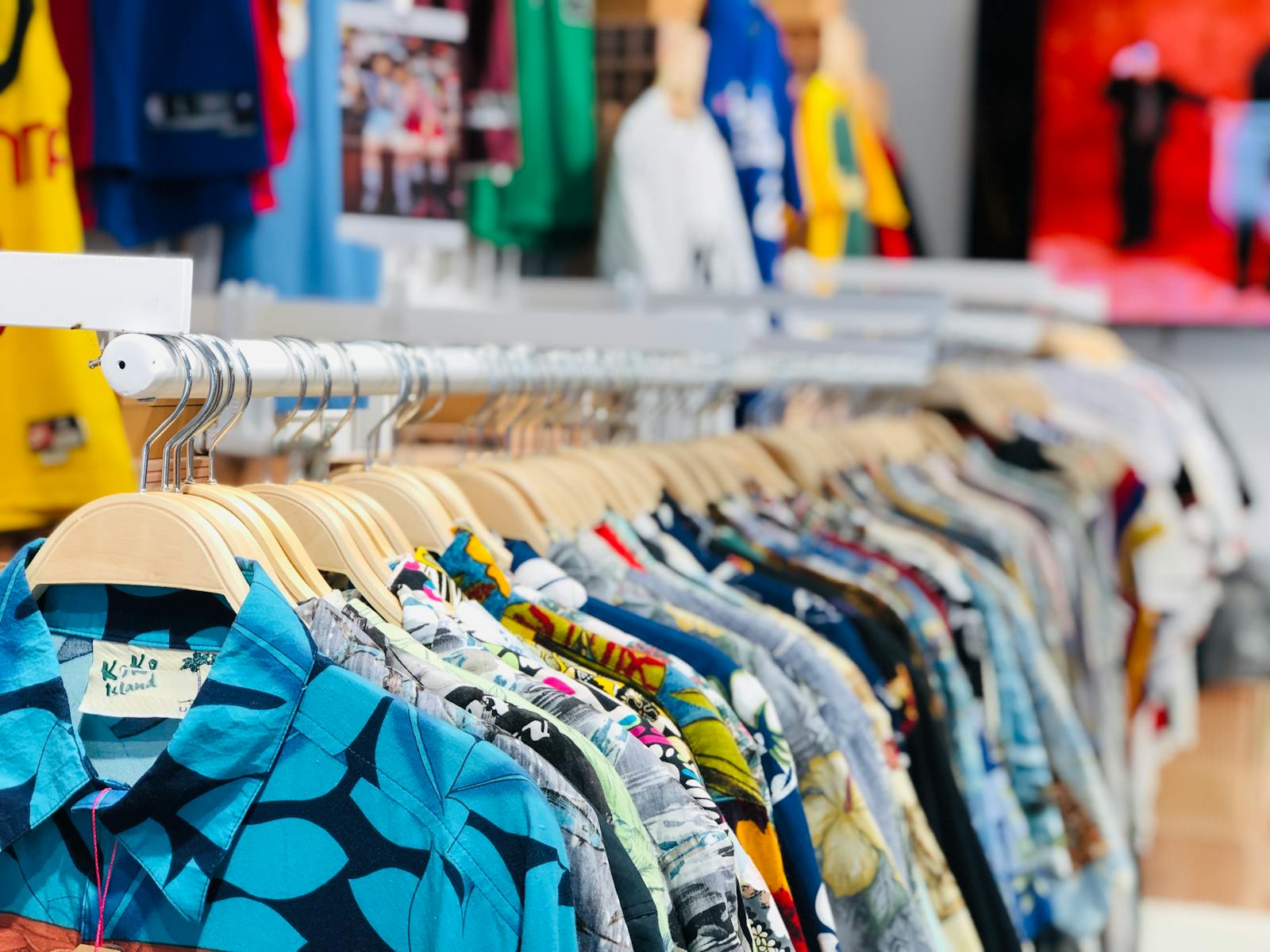
Spring and summer call for lightweight dresses, retro swimsuits, and Hawaiian shirts. Buyers often plan purchases around the weather, so timing your listings helps.
Holiday-themed sweaters or apparel tied to specific decades can also boost quick sales during relevant seasons. Monitoring current trends on platforms like Instagram or Depop can guide you on what’s hot each season.
For more insights on selling vintage clothing successfully, check out this detailed guide on the best places to sell vintage clothes in 2025.
Best Platforms for Selling Vintage Clothes
Selling vintage clothes for quick cash means picking the right platform that fits your style of selling and type of inventory. Some marketplaces offer fast sales through huge audiences, while others give you tools to build a brand or connect with niche buyers. Choosing wisely can save you time and boost your profit.
Online Marketplaces for Quick Cash
For fast sales and broad reach, I prefer large online marketplaces like eBay, Poshmark, and Mercari. They have millions of users browsing daily, which means more eyes on your vintage pieces.
eBay allows auction-style or fixed-price listings, which can help move items quickly if priced right. Their audience is diverse, so rare or branded items usually do well here.
Poshmark offers a social spin — you can interact with buyers, share listings, and even bundle items. It’s great if you like engaging directly with customers.
Mercari is simple to use with low fees, making it a solid choice for quick, straightforward sales. These platforms all support mobile apps, so I manage my listings on the go, which speeds up the process.
Specialty Apps for Vintage Sellers
Some apps are built specifically for vintage or unique clothing, perfect if you want to target style-savvy buyers.
Depop is popular with younger audiences (Gen Z and Millennials) who love quirky and upcycled fashion. Its social media vibe means you build a following and sell by showing off your unique style.
ThredUp takes a hands-off approach — you send your clothes in, and they handle photos, pricing, and shipping. It’s hassle-free but works best if you have lots of high-quality women’s or kids’ clothes.
Vinted is excellent for sellers wanting no listing or selling fees. It lets buyers negotiate prices too, which is a nice bonus.
I like these apps when I want to focus on niche buyers and less on marketing myself.
Local and In-Person Selling Options
Sometimes, selling locally is the quickest way to get cash without shipping worries.
Platforms like Facebook Marketplace, Craigslist, and VarageSale let me reach local buyers directly. This often means fewer fees and instant payment, but it requires managing meetups safely.
For physical selling, stores like Buffalo Exchange offer buy-sell-trade options. They pay on the spot or provide store credit, ideal if I want money fast or to shop vintage after selling.
Apps like Flyp and Carousell combine local reach with app convenience, making local selling smoother.
Niche Platforms for Designer and Rare Finds
If you’re selling high-end vintage or collectible designer pieces, specialized platforms are the way to go.
The RealReal, Vestiaire Collective, and Tradesy focus on luxury and authenticated items, attracting serious buyers willing to pay a premium.
Grailed targets men’s designer clothing, sneakers, and rare streetwear, with a dedicated community of collectors.
ASOS Marketplace and Preloved focus on indie brands, vintage boutiques, and unique finds, helping sellers connect with buyers looking for style and authenticity.
I use these platforms when I want to maintain credibility, maximize value, and ensure my items are handled carefully.
Maximizing Your Earnings from Vintage Sales
Getting the most from selling vintage clothes means paying close attention to pricing, how you present your items, and how you handle shipping and returns. Each step can make the difference between a quick sale and a long wait.
Pricing Strategies for Fast Sales
Setting the right price is key. I use round numbers like $45 instead of $44.99 because they feel more professional and attract serious buyers. For designer vintage, I price higher, usually around $90 or more, since Etsy buyers expect that.
If I need a quick sale, I set prices just below competitors to stand out. Bundling items, like pairing a vintage jacket with a matching accessory, can increase order value by up to 40%. I check similar listings regularly to stay competitive without undervaluing my pieces.
Timing matters too: I list new items preferably on Tuesdays between 1-3 PM EST when buyer activity peaks. This simple trick often speeds up sales.
Photography and Listing Tips
Great photos catch attention fast. I take 3-5 clear, well-lit shots showing details, tags, and any flaws honestly. Using a plain background helps the clothes pop.
In my titles and descriptions, I include specific details like brand, decade, and condition, such as “1980s Levi’s Denim Jacket – Excellent Condition.” Keywords like “designer vintage” or “90s streetwear” boost visibility, especially on platforms like Etsy or Depop.
Hashtags matter too—on Depop, I use tags like #vintagebandtee to reach the right buyers quickly. I always highlight unique features like fabric or rare patterns to make my listings stand out.
Shipping, Returns, and Buyer Protection
I always offer prepaid shipping labels to make the process smooth for buyers and myself. This professionalism builds trust and often encourages quicker purchases. I opt for tracked shipping to avoid disputes and show proof of delivery.
Clear return policies help reduce misunderstandings. I keep them simple: returns accepted within 7-14 days if the item is not as described, but buyers pay return shipping unless it’s a seller issue.
Using platforms with built-in buyer protection, like Etsy and eBay, adds a safety net for both sides. I never accept external payment methods, reducing scams and ensuring I get paid before shipping.
Handling shipping and returns well saves hassle and keeps my vintage selling reputation strong.
Turning Vintage Clothes Into a Reliable Side Hustle
Starting with a few pieces from your own closet can quickly grow into a profitable side hustle if you stay organized and know where to sell. Balancing inventory and keeping customers happy are key steps to turn this into steady income.
Scaling Up: From Closet Cleanout to Small Business
I began by selling a few items online, but scaling up means sourcing consistently from thrift stores, estate sales, and local markets. To grow, I keep a list of best places to sell clothes online like Poshmark, eBay, and Facebook Marketplace, as well as local spots for in-person sales.
To manage this growth, I set a simple schedule for shopping and listing items. Buying in bulk at yard sales or flea markets helps me keep inventory steady without overspending. Pricing competitively based on market research is essential to move products quickly and make extra money.
Keeping track of profits and costs helps me decide when to reinvest in inventory or marketing. This approach lets me slowly build a side hustle that fits alongside my other commitments.
Managing Inventory and Customer Service
Managing inventory well means storing items neatly by category and condition. I use clear labeling and take high-quality photos to keep listings professional and accurate. This reduces mistakes and returns.
Customer service is where I focus most effort. I respond promptly to questions and clarify any return or shipping policies upfront. This not only avoids confusion but builds buyer trust.
I always update listings to show availability and am honest about item conditions, which helps maintain a good reputation. Whether I sell clothes locally or ship items, clear communication is essential to keep customers coming back.