


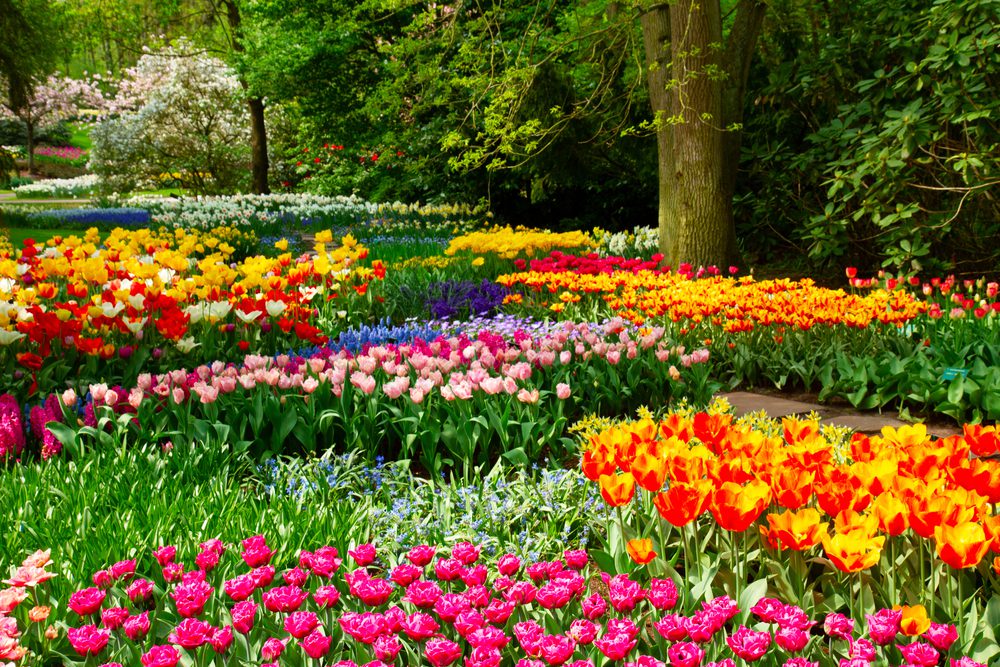
Every autumn, gardeners around the world prepare for the spring season by planting an array of flower bulbs. However, many are missing out on a unique opportunity.
There’s a spot in your garden that you may be overlooking, and it could be the perfect place to plant your bulbs this fall. This overlooked area can provide a stunning visual display in the spring, making your garden stand out from the rest.
In this article, we will explore ten different areas in your garden that you may have overlooked when planting your bulbs. Each one offers unique benefits and can add a new dimension to your garden. So let’s dive in and discover these overlooked spots, which could transform your garden into a visual spectacle come spring.
1. Amongst the Shrubs

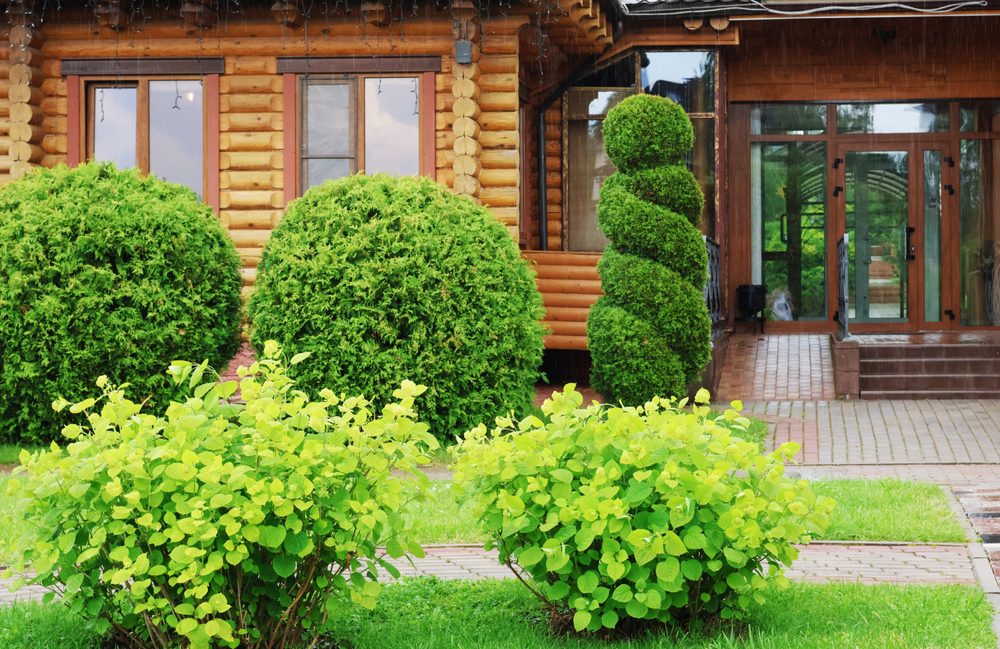
Planting bulbs amongst the shrubs is a tactic that many gardeners overlook. This area provides ample shade, which can help protect your bulbs from harsh weather conditions. Furthermore, the contrasting textures and colors between the bulbs and the shrubs can create a visually stunning spring display. Imagine the vibrant colors of tulips or daffodils popping out amongst the greenery of your shrubs.
Make sure to choose bulbs that thrive in partial shade, such as snowdrops or bluebells. These types of flowers can add a splash of color to the understory of your shrubs, offering a layered look to your garden. Plus, they can provide a pleasant surprise when they emerge in the spring.
2. Beneath Deciduous Trees

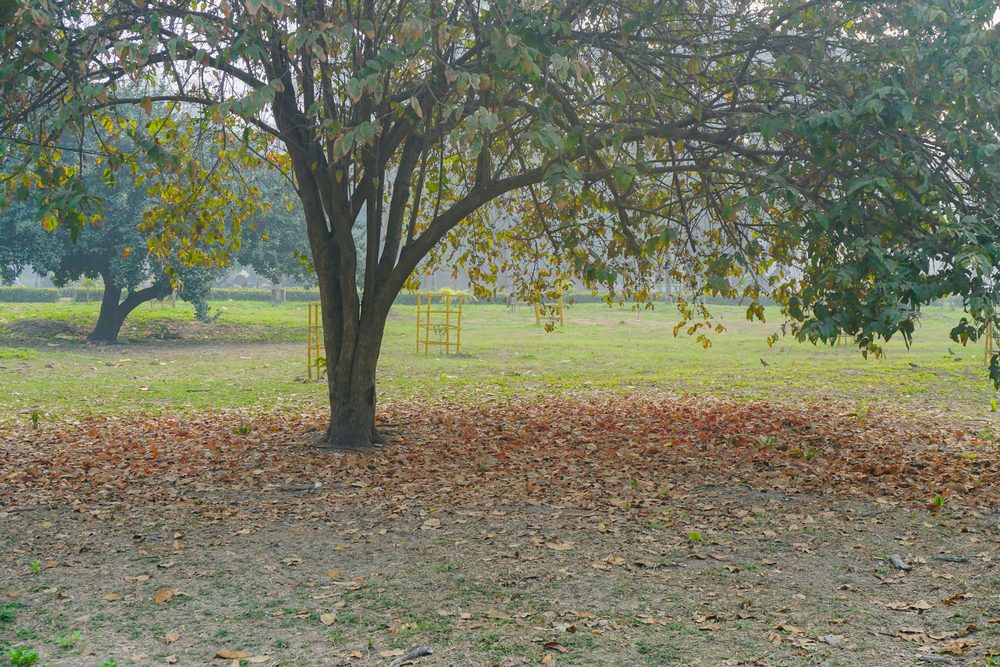
Deciduous trees lose their leaves in the fall, making them an ideal spot to plant bulbs. The dropping leaves create a natural mulch that can protect your bulbs during the winter. Plus, once spring arrives, the trees will not yet have their full leaf canopy, allowing plenty of sunlight to reach the blooming flowers.
Consider planting bulbs that flower early in the spring, such as crocuses, daffodils, and snowdrops. These bulbs will have finished blooming by the time the tree’s leaves are fully grown, ensuring they get enough sunlight to thrive. This strategy allows for a beautiful carpet of flowers beneath your tree in the spring.
3. Near Water Features

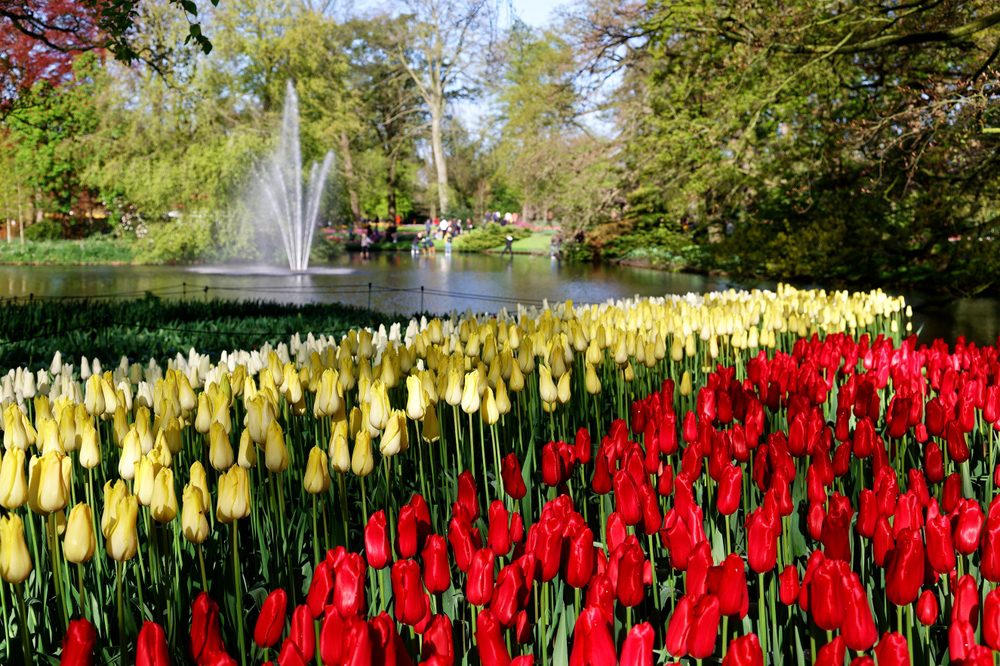
Water features like ponds or fountains are often overlooked when planting bulbs. However, they can provide a striking backdrop for your spring flowers. The reflection of the blooming bulbs in the water can double the visual impact, creating a picture-perfect garden scene.
Plant moisture-loving bulbs like irises or water lilies near your water feature. These types of flowers will not only thrive near the water but also attract a variety of wildlife to your garden. This can add another layer of interest to your garden and make it a vibrant ecosystem.
4. In the Vegetable Garden

Many gardeners separate their vegetable and flower gardens, but planting bulbs in your vegetable garden can provide numerous benefits. Not only can the flowers add visual interest, but they can also attract pollinators, which can help your vegetables thrive. Plus, the flowers can act as a natural pest deterrent, protecting your vegetables from damage.
Consider planting bulbs that bloom at different times throughout the spring and summer, such as tulips, alliums, and lilies. This way, you can ensure a continuous display of color in your vegetable garden. And don’t forget, some bulbs, like garlic and onions, are also useful in the kitchen.
5. Along Garden Paths

Another often overlooked spot to plant bulbs is along garden paths. Planting bulbs here can create a visually stunning walkway in the spring, guiding visitors through your garden. Plus, walking amongst blooming flowers can be a delightful sensory experience, with the colors, scents, and textures enhancing your garden’s ambiance.
Choose bulbs that grow to different heights, like narcissus, hyacinths, and tulips, to create a multi-layered effect. This can add depth and interest to your garden path, making it a feature of your garden rather than just a practical element.
6. In Containers

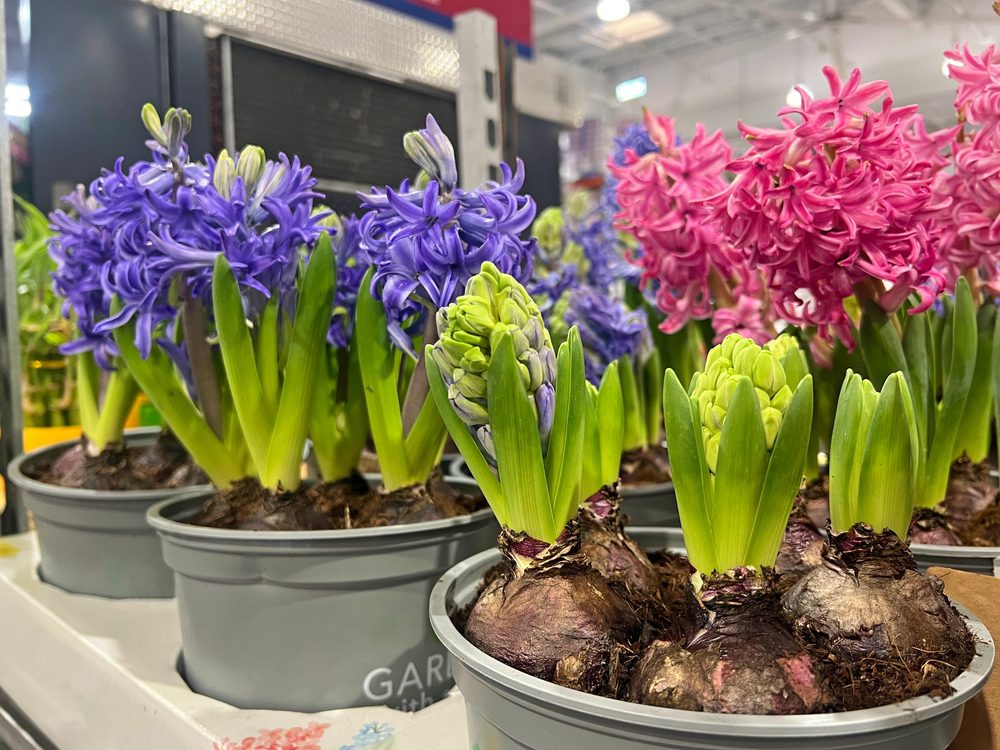
Don’t have much garden space? No problem. Planting bulbs in containers is a great way to enjoy spring flowers, even if you don’t have a large garden. Plus, containers offer the flexibility to move your flowers around, allowing you to change your garden’s look throughout the season.
Consider planting a variety of bulbs in one container for a stunning spring display. You can layer different types of bulbs, with the ones that bloom later planted deeper. This allows for a continuous bloom, with one type of flower replacing another as the season progresses.
7. In the Lawn
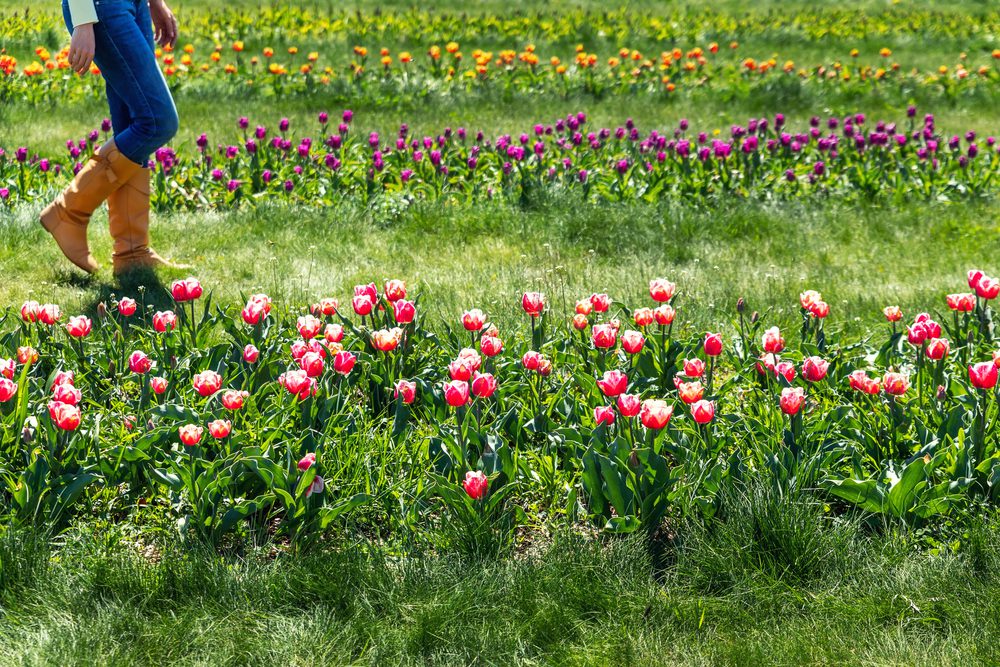
Planting bulbs in your lawn can create a meadow-like effect, adding a whimsical touch to your garden. This is often overlooked as most people tend to keep their lawns clear of flowers. However, bulbs like crocuses, snowdrops, and daffodils can thrive in lawns and create a beautiful spring display.
Choose bulbs that finish blooming and die back before it’s time to mow the lawn. This way, you can enjoy the flowers without worrying about damaging them. Plus, the bulbs will have enough time to store energy for the next year’s bloom before the lawn takes over.
8. Amongst Perennials
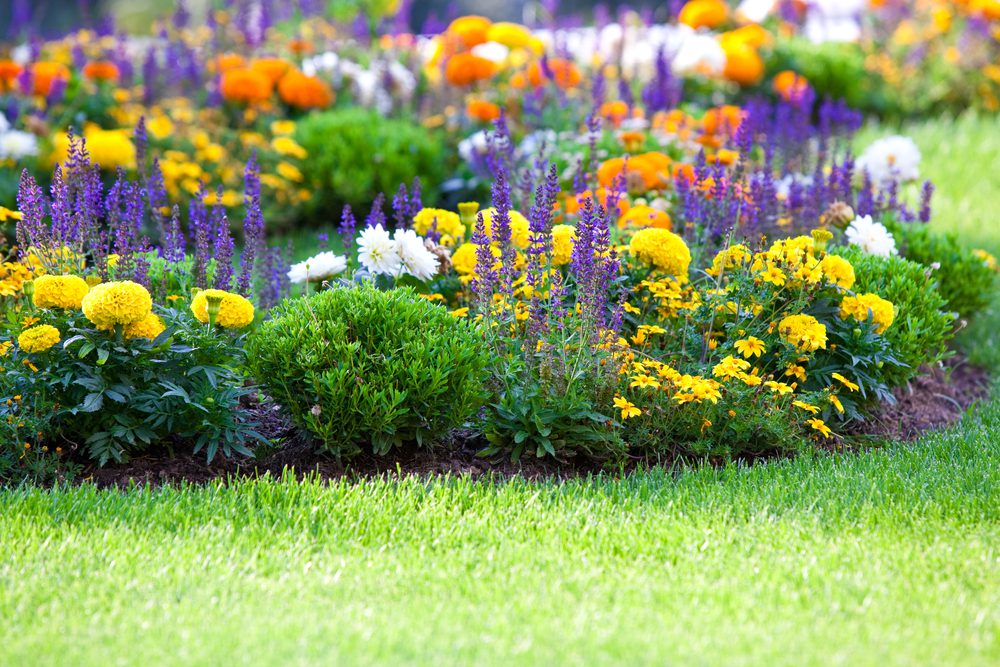
Planting bulbs amongst your perennials can provide early spring color while your perennials are still emerging from their winter sleep. This can help bridge the gap between the end of winter and the onset of summer, ensuring your garden is full of color throughout the year.
Choose bulbs that complement the colors and textures of your perennials. For example, the delicate blooms of grape hyacinths can beautifully contrast with the bold foliage of hostas. This can add interest and depth to your perennial garden.
9. At the Base of a Wall or Fence
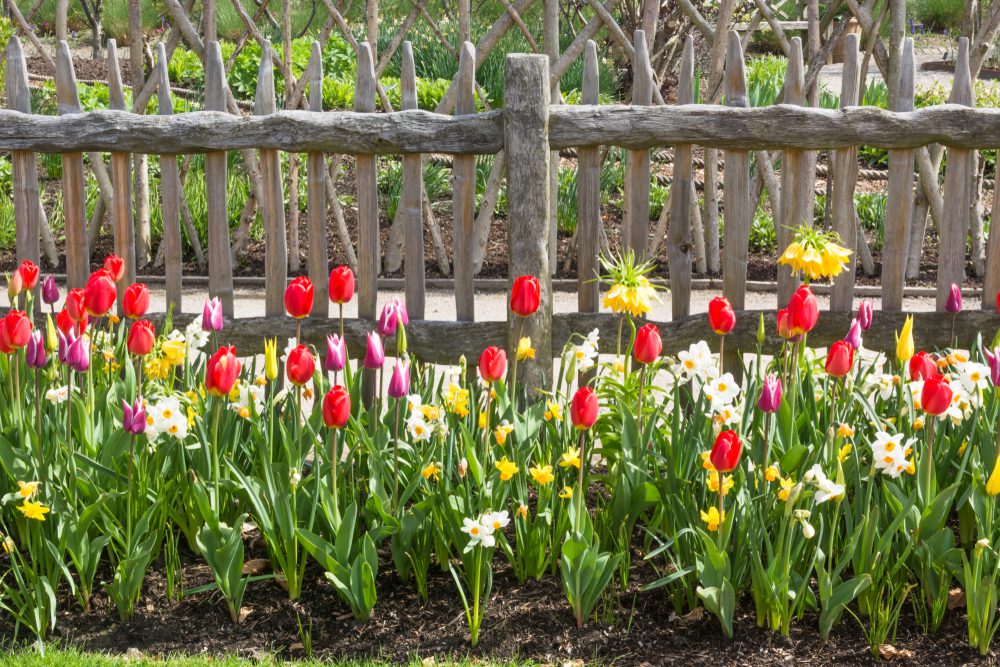
Walls and fences often form the backdrop of our gardens, but they are rarely used to their full potential. Planting bulbs at the base of a wall or fence can create a stunning visual display in the spring. Plus, these structures can provide shelter for your bulbs, protecting them from harsh weather conditions.
Choose bulbs that match or contrast with the color of your wall or fence. For example, the vibrant colors of tulips or daffodils can contrast beautifully with a dark wall or fence, making them stand out. Alternatively, choose bulbs that blend in with the color of your wall or fence for a more subtle effect.
10. In Rock Gardens

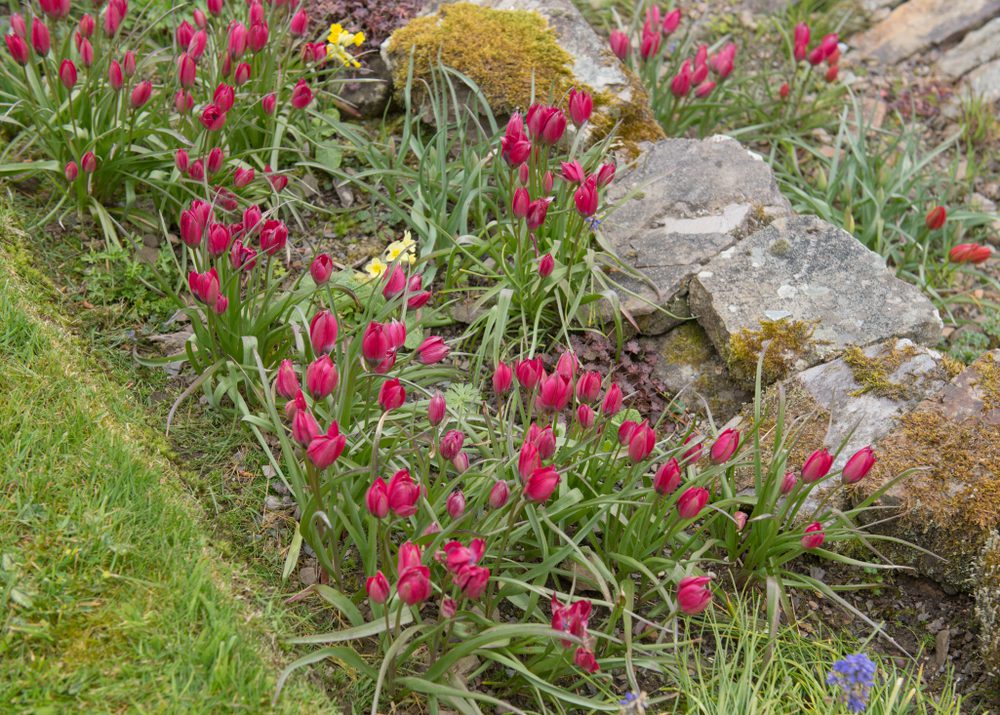
Rock gardens are often overlooked when planting bulbs, but they can provide an excellent setting for spring flowers. The rocks can keep the soil well-drained, which is crucial for many bulbs. Plus, the contrast between the textures and colors of the rocks and the flowers can create a striking visual display.
Choose bulbs that are well-suited to rock gardens, such as alpine bulbs like crocuses, anemones, and dwarf irises. These types of bulbs are often smaller and lower growing, which can add a delicate touch to your rock garden. Plus, they can thrive in the well-drained soil conditions that rock gardens provide.