
You wander through crowded racks and dust-dimmed shelves expecting the usual odds and ends, but something small and overlooked could quietly be the find that changes your thinking about thrift-store hunting. You’ll learn how to spot that one obscure antique—often ignored by casual shoppers but eagerly sought by collectors—and why it quietly commands attention.
This article guides your search without overwhelming you: it points out categories that hide gems, explains what makes an item collectible, and shows where to look so your next thrift trip pays off. Keep an open eye and a curious hand—what looks ordinary might be exactly what specialists prize.
Vintage Pyrex Rare Patterns
You’ll spot rare Pyrex by its bold midcentury patterns and colors that don’t show up in modern lines. Look for pieces with intact decals and unusual motifs—those drive collector interest.
Check thrift shelves for mixing bowls, Cinderella sets, and casserole dishes; small scratches matter less than pattern rarity. If you want a quick guide to sought-after designs, consult an online list of vintage Pyrex patterns worth money.
Hand-painted Oil Paintings by Unknown Artists
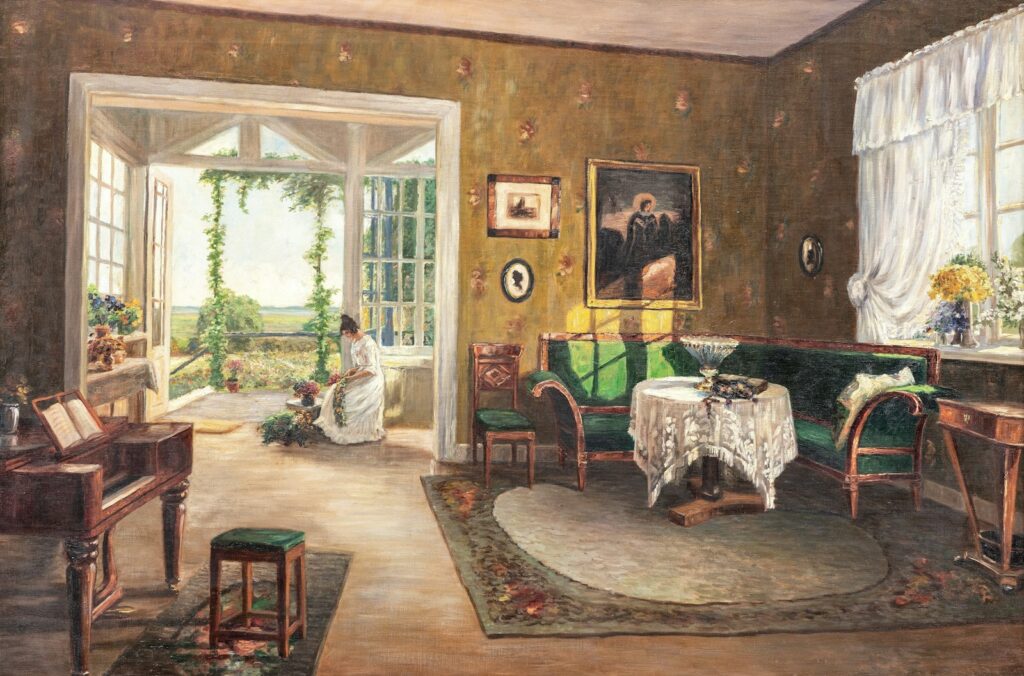
You can find small, well-painted oils at thrift shops that look ordinary but carry real charm. Look for signed corners, stretcher inscriptions, or old gallery labels that hint at provenance.
These pieces often show solid technique and pleasing composition without big-name value. Treat them as affordable décor first and potential discoveries second.
If you want to learn more about how such finds perform in market stories, check examples of valuable paintings found in unusual places (https://www.artandobject.com/slideshows/valuable-paintings-found-unusual-places).
Mid-century Modern Dansk Enamelware
You’ll spot Dansk enamelware by its clean Scandinavian lines and bright, simple colors that still feel fresh today. Collectors prize pieces like Kobenstyle pots for their designer pedigree and durable enamel finish.
If you find one at a thrift or estate sale, check for the Dansk mark and good enamel condition; minor chips happen, but large rusted areas reduce value. Learn more about Dansk’s history and Kobenstyle revival at this article on Dansk Kobenstyle cookware.
Early 20th Century Cast Iron Doorstops
You’ll spot these at thrift stores as heavy, painted figures—animals, boots, or children—often with worn paint and a charming patina.
They began appearing in households when decorative doorstops became popular to keep doors open and add a bit of style.
Collectors prize early pieces for original paint, maker marks, and foundry history; small details can raise value.
Learn a few maker names and look for catalog-style poses to quickly separate common reproductions from desirable originals.
Signed First Edition Classic Books
You can find signed first editions tucked into thrift shelves where others only see dust.
A signature from the author turns a common paperback into a collectible that serious buyers hunt for.
Look for condition, clear inscriptions, and publication details; those small facts affect value.
Check specialist dealers like Signed By Author when you want verified comparables.
Antique Bakelite Jewelry Pieces
You’ll spot Bakelite by its warm, slightly oily feel and dense, weighty hug on the wrist.
Look for bold colors, chunky bracelets, carved motifs, and simple closet pins that still fetch good prices.
Test with a light scratch or the hot-pin method if you know how, but avoid damage; better to consult a dealer.
Learn more about identification and values at this guide to Bakelite jewelry identification, values & care.
Art Deco Perfume Bottles
You’ll spot Art Deco perfume bottles by their geometric shapes, bold lines, and often a sleek glass finish.
Collectors prize pieces with original stoppers and intact decoration because those small details hold value.
Look for Czech and Bohemian designs and signed makers; rarity and condition drive interest.
Browse online marketplaces like 1stDibs’s Art Deco perfume bottles if you want examples and price context.
Collectible Depression Glass
You’ll spot Depression glass by its bright, sometimes muted colors and pressed patterns that feel familiar once you look closely.
Check for common motifs like grapes, starbursts, and geometric repeats; makers often left subtle mold lines or marks.
Condition matters: chips and cloudy wear cut value, but rare colors and complete sets still attract buyers.
Learn a few patterns and colors and you’ll start finding real steals at thrift stores and estate sales.
Japanese Satsuma Pottery
You’ll spot Satsuma by its creamy crackled glaze and dense, detailed enamel decoration.
Look for tiny hand-painted scenes of figures, flowers, or gold highlights that age beautifully.
Many pieces bear makers’ marks or later English marks, which help date and authenticate them.
Check rims and bases for crazing and signed stamps before you buy; those details affect value.
If you find an unmarked, well-decorated Satsuma at a thrift shop, it could quietly excite collectors.
Rare Vintage Oil Cans
You’ll spot them tucked on a high shelf or mixed in with rusty tools, small tins with bright labels that somehow survived garage life.
Collectors prize early 20th-century and mid-century cans for brand art, unusual shapes, and intact graphics.
Condition drives value, so dents, paint loss, and original spouts matter.
Learn to read maker marks and era details to tell a common can from a rare piece, and check auction guides like the Vintage Oil Can Values guide for reference.
More from Decluttering Mom: