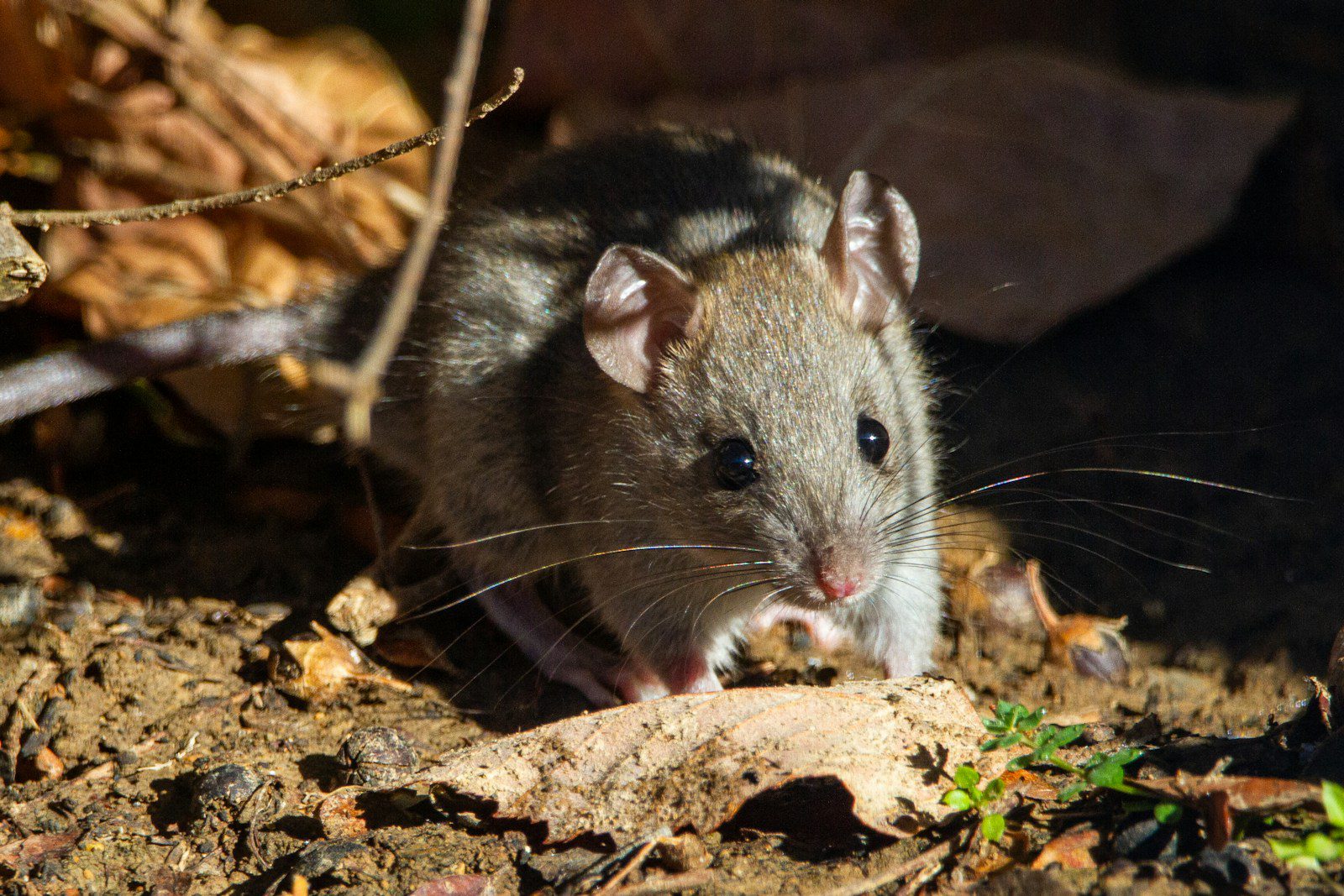
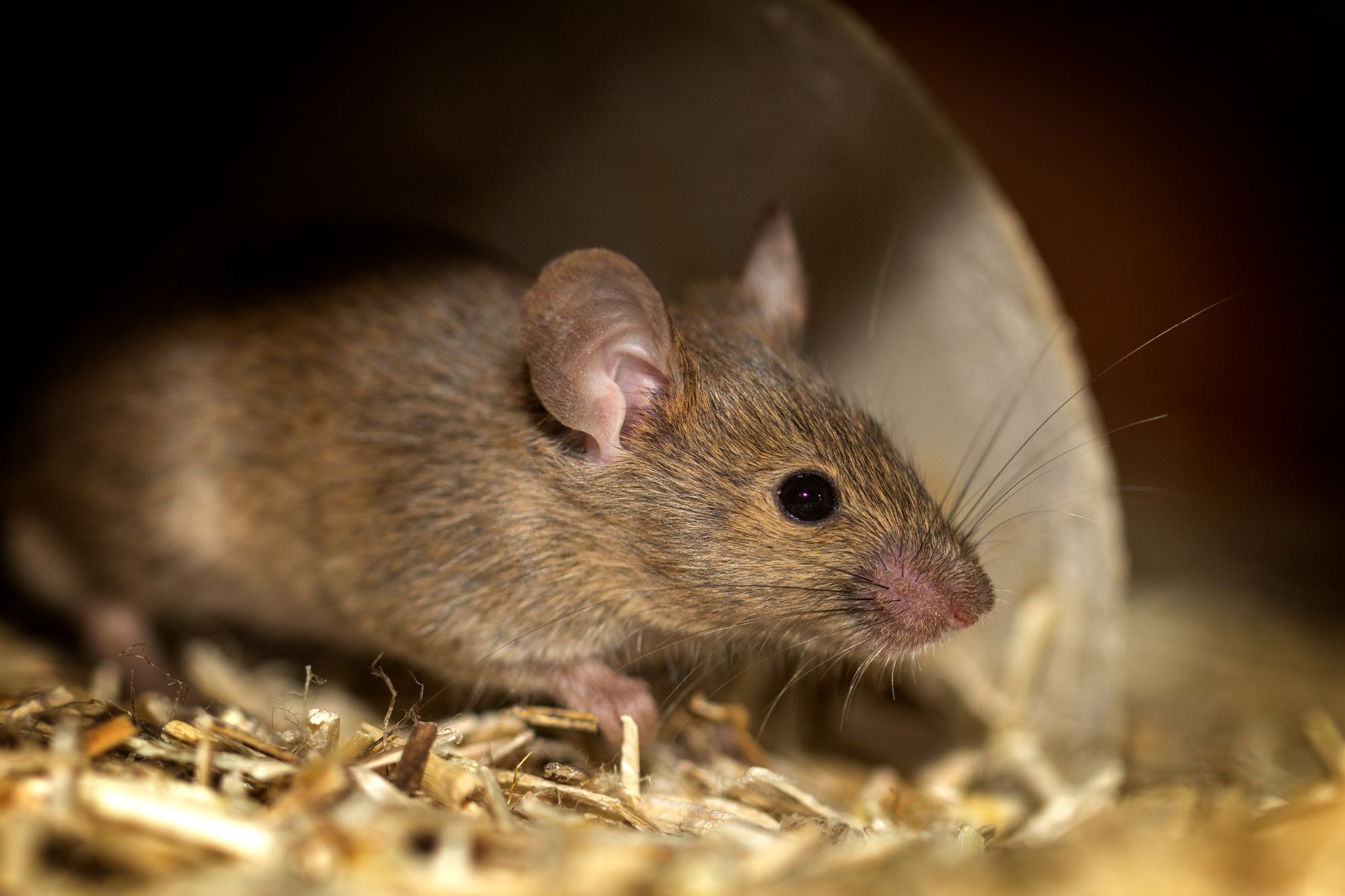
Most homeowners picture mice moving indoors once the first hard freeze hits. Pest control professionals say that clock starts ticking much earlier: once outdoor temperatures fall and hold below roughly 50 degrees Fahrenheit, rodents begin actively migrating toward buildings, well before winter actually arrives. That’s still sweater weather for most people, which is exactly why the shift catches so many households off guard.
Why 50 Degrees Is the Real Turning Point
Mice are small enough that they lose body heat fast, and outdoor food sources (seeds, insects, plant matter) start thinning out around the same point that temperatures drop into the 40s and below. Pest control firms tracking seasonal rodent calls consistently point to sustained temperatures under 50°F as the trigger that sends mice looking for a warmer, more reliable food source, which is often a house, garage, or shed with a gap they can exploit. That’s a full 15 to 20 degrees warmer than most people associate with “rodent weather,” and it means the migration is usually well underway before the first frost makes headlines.
The National Pest Management Association’s own seasonal data backs up how fast this shift happens. Dr. Jim Fredericks, NPMA’s senior vice president of public affairs, has noted that “just a few cold nights can result in a significant uptick in rodent sightings in homes,” a pattern the organization tracks every year through its regional Bug Barometer forecasts as cooler air moves across the country.

The Scale of the Problem
NPMA’s own consumer research puts a number on how often this migration actually reaches inside a house. In a nationally representative survey conducted with the Harris Poll, NPMA found that an estimated 21 million homes are invaded by rodents each winter. A related NPMA survey found that 27% of Americans, roughly 1 in 4, discovered a rodent in their home within the past year, and 9% dealt with a full infestation.
Despite how common the problem is, most households aren’t reacting quickly. NPMA’s data shows only 43% of Americans are even aware rodents can transmit disease, and just 17% contact a pest control professional at the first sign of a rodent, meaning most people wait until the problem is already established before doing anything about it.
What Actually Draws Them In
Temperature is the trigger, but structural gaps are what turn a cold night into an actual infestation. Mice can squeeze through openings as small as a dime, according to NPMA, which means the kind of small gap around a utility line or an unsealed vent that looks harmless in July becomes a direct entry point once temperatures drop. Once inside, a house offers everything the outdoors just stopped providing: stable warmth, hidden nesting spots in insulation and clutter, and reliable access to food if pantry items or pet food aren’t sealed.
Key Prevention Steps Before Temperatures Drop
- Seal gaps now, not after you spot droppings. Use caulk for small cracks and steel wool for larger openings around pipes, vents, and utility lines, since mice can’t chew through it the way they can through plastic or wood filler.
- Store food, including pet food, in airtight containers. An open bag in a garage or pantry is one of the most reliable ways to turn a curious mouse into a resident one.
- Declutter storage areas before cold weather sets in. Basements, attics, and garages packed with boxes give rodents cover to nest undisturbed once they’re inside.
- Do a perimeter check while it’s still warm out. Walking the foundation, checking screens, and inspecting where utility lines enter the house is far easier in September than after the first freeze.
- Watch for early signs, not just visible mice. Droppings, gnaw marks, and scratching sounds in quiet areas typically show up well before an actual sighting.
Regional Timing Varies, but the Pattern Holds
NPMA’s regional Bug Barometer forecasts make clear that this isn’t a single national switch that flips on one date. The Northeast and Great Lakes regions typically see rodent pressure build earliest as overnight temperatures fall first in those areas, while the Southwest and parts of the South see the same migration pattern arrive weeks later. What stays consistent across every region NPMA tracks is the mechanism: it’s the temperature drop itself, not the calendar date, that sets rodents moving, which is why the same prevention window opens at different times depending on where a house sits on the map.
The Bigger Picture
The exact number matters less than the timing behind it. If rodent migration realistically starts once temperatures dip into the high 40s and low 50s rather than waiting for a true cold snap, the prevention window most homeowners think they have is shorter than it actually is. Sealing up a house in early fall, while it still feels premature, is the difference between blocking mice out and evicting them later.