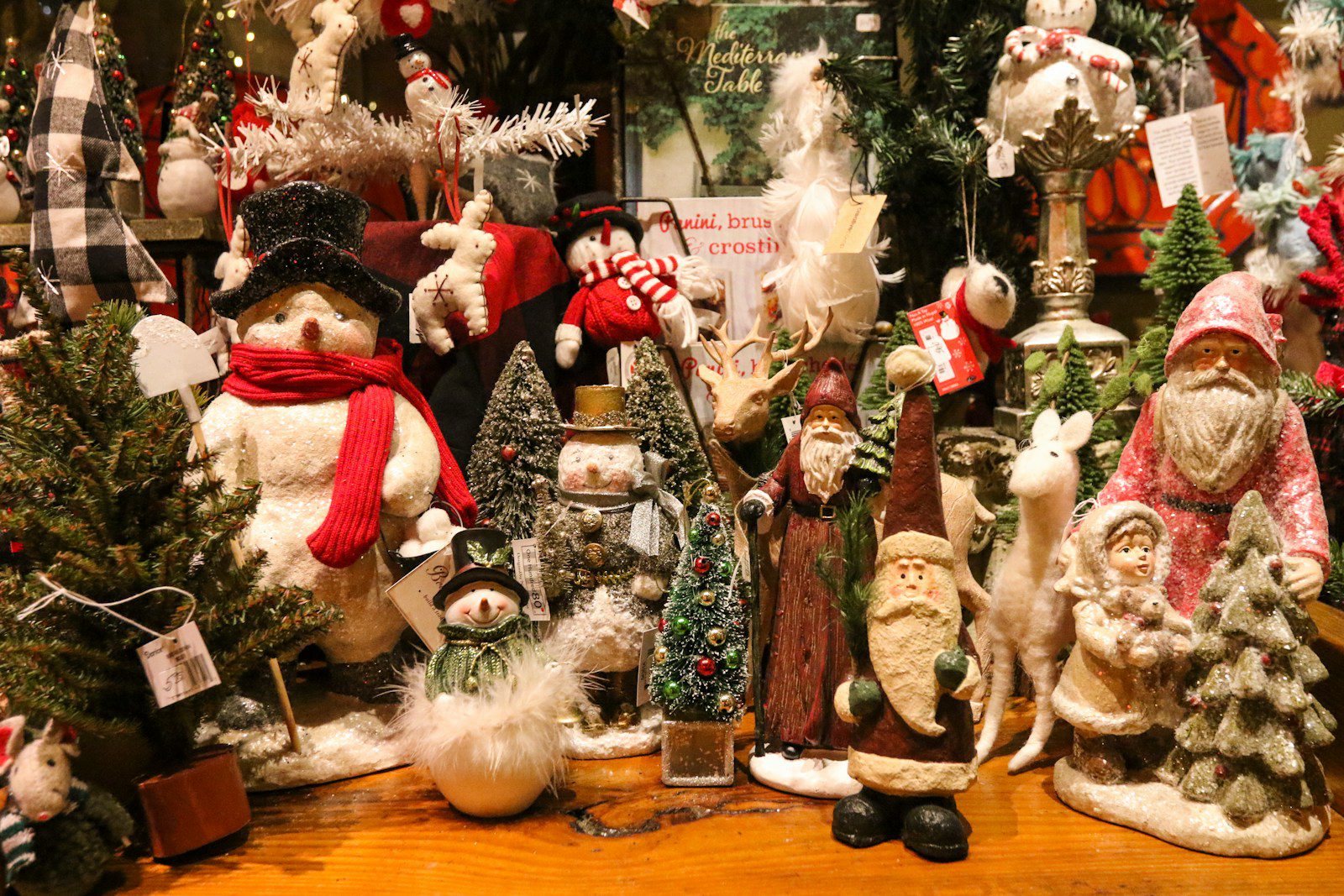
If you have a box of old Christmas decorations tucked away, you might be sitting on a surprising treasure. Vintage Christmas collectibles, like German blown-glass ornaments or early electric string lights, have recently spiked in value. Some of these items can now fetch hundreds or even thousands of dollars, turning forgotten holiday décor into valuable finds.
Not all vintage decorations hold the same worth, but unique pieces with quality craftsmanship and interesting histories tend to be the most sought after. Checking your attic or thrift stores for ornaments, feather trees, or antique Santa figurines could reveal something that collectors are eager to buy.
Knowing what to look for and spotting rare items amid your old holiday gear can make your seasonal cleanup more exciting. As nostalgia grows for mid-century decorations, now is a great time to explore what you already own before the market shifts again.
Why Vintage Christmas Collectibles Are Spiking in Value
Vintage Christmas collectibles are fetching higher prices thanks to a blend of shifting market trends, rarity factors, and a growing passion among collectors. Whether it’s delicate German blown-glass ornaments or mid-century aluminum trees, several key elements are shaping their increased worth today.
Recent Trends in the Collectibles Market
The market for vintage Christmas items, especially ornaments and decorations from the early to mid-20th century, has seen a noticeable surge. As nostalgia grows stronger, many people are searching for authentic pieces that offer quality and charm, unlike modern mass-produced items.
Online platforms and antique shops are flooded with interest in unique, handmade ornaments and original vintage lighting sets. You’ll find that even uncommon pieces like Victorian kugels or early string lights now reach prices between hundreds and thousands of dollars. This demand has pushed sellers to price these treasures higher, especially when the item is in good condition.
Factors Influencing Value Increases
Several factors directly affect how much your vintage Christmas collectible might be worth. Condition is critical—intact paint on glass ornaments or working electrical parts in antique lights make a big difference.
Rarity and uniqueness also matter a lot. For example, pink and purple kugel ornaments are much rarer than common colors and command higher prices. Provenance can boost a collectible, too; knowing its history or previous ownership can make it more desirable.
The materials and craftsmanship behind these items, like hand-blown glass or intricate feather trees, increase their value. Many vintage decorations were made as small cottage-industry pieces, meaning fewer were produced, and each is more distinctive than modern replicas.
Collectors’ Growing Interest
You might notice that more collectors are actively hunting vintage Christmas items as the Baby Boomer generation leans into childhood memories. These seekers appreciate the quality and artistry that older decorations offer.
Collectors value authentic pieces that carry stories or represent specific holiday eras. This emotional appeal drives a willingness to pay premium prices. Additionally, younger buyers discovering retro styles and wanting unique holiday décor are expanding the market.
If you’ve got vintage Christmas ornaments or original holiday lights tucked away, this broadening interest could mean a nice surprise in value. Collectors often look for anything from early 1900s glass baubles to mid-century aluminum trees, and the right find can spark competitive bidding.
Spotlight on This Year’s Most Valuable Christmas Collectible
This year, vintage Christmas collectibles have drawn renewed attention from collectors and holiday enthusiasts alike. Certain items, known for their unique craftsmanship and nostalgic appeal, have seen a significant rise in value. Understanding the factors behind this surge, the defining traits of these coveted pieces, and recent auction results will help you spot treasures in your own collection.
What’s Driving the Value Spike
Several factors are pushing prices higher for specific vintage Christmas ornaments. First, nostalgia plays a massive role—many Baby Boomers are now seeking decorations reminiscent of their childhood holidays, fueling demand. Plus, the rare nature of some items means fewer surviving pieces are available today, making them more desirable.
You’ll find that ornaments made before mass production, especially those with handmade details, are highly prized. For example, Shiny Brite ornaments, produced in mid-20th century America, are experiencing a surge because of their distinct colors and designs. Collectors also seek out kugels: heavy, metallic-finished glass ornaments that are rare in certain colors like pink or orange.
Lastly, social media and online marketplaces have boosted awareness and access to vintage ornaments, amplifying interest and prices. If you uncover pieces like these, their value could be much higher than you expect.
Characteristics of the Most Sought-After Item
The Christmas collectible stealing the spotlight right now ticks several important boxes. It’s typically a visually striking ornament, often a handblown glass piece such as Shiny Brite balls or kugels with a distinctive metallic patina. Color rarity is key—pink, purple, and orange kugels are among the rarest and often command the highest prices.
Look for ornaments with original paint and minimal wear, as condition deeply affects value. Many sought-after collectibles also have unique features, like intricate mold designs or limited production runs. Some incorporate unusual shapes beyond typical spheres—for example, pinecones, grapes, or eggs.
If your attic holds a Christmas in the City ornament or a similar mid-century piece that blends vivid colors and detailed craftsmanship, you could have a high-value find on your hands.
Auction Prices and Recent Records
Auction houses and online sales reveal just how valuable these vintage collectibles have become. For instance, mid-century Shiny Brite ornaments often sell between $100 and $300 each, depending on condition and rarity.
Kugels show more variability. Common colors like silver or green may fetch around $40 to $150, but rarer colors and unusual shapes have hit prices above $1,000 at high-profile sales.
Special collections, like sets featuring Christmas in the City themes, have also drawn competitive bidding, with complete sets often reaching several hundred dollars.
If you’re considering selling or insuring your vintage ornaments, it’s wise to check recent auction results and verify authenticity to get the most accurate estimate.
Top Vintage Christmas Ornaments to Look for in Your Attic
Checking your attic for vintage Christmas collectibles means you might uncover some unique, valuable finds. Certain ornaments, like classic glass baubles or charming figurines, carry both history and collector appeal. Knowing which items stand out can help you spot treasures worth holding onto or selling.
Shiny Brite Ornaments and Their History
Shiny Brite ornaments are a hallmark of mid-20th-century Christmas decor. Produced mainly in the 1940s and 1950s by the Max Eckardt company, these glass ornaments are known for their bright colors and reflective finishes. Many feature hand-painted details, making each one slightly unique.
If you find glass Christmas ornaments labeled Shiny Brite or resembling the style, they could be valuable. Originals often have colorful ridges or additional flocking, with some designs including push-in tops rather than screw caps. These ornaments were affordable at the time but have since gained collector interest for their nostalgic charm and craftsmanship.
Kugels: German Glass Christmas Treasures
Kugels are vintage German glass ornaments famous for their unique shapes and vibrant colors. Typically ranging from small balls to unusual shapes like mushrooms or raspberries, kugels are prized for their hand-blown craftsmanship.
You might find kugels with a distinctive glitter finish or intricate painting. These often date back to the early 1900s or before, especially in cobalt blue or red hues. Due to their fragility and age, well-preserved kugels can be quite valuable.
Ceramic Christmas Trees from the 1960s-70s
Ceramic Christmas trees became popular in American homes during the 1960s and 1970s. These tabletop decorations usually have colorful plastic lights inserted into holes across the tree’s branches, creating a cheerful glow when lit.
If you discover one in your attic, check for maker marks, as some brands like Atlantic Mold were more collectible than others. Their retro look has made them trendy again among vintage enthusiasts. Damage or missing lights can reduce value, so condition matters when assessing these cheerful vintage pieces.
Pixie and Nutcracker Figurines
Pixie and nutcracker figurines are beloved holiday decorations with roots in folklore and tradition. Pixies are often depicted as mischievous elves with pointed hats, frequently made from materials like felt or wood.
Nutcracker figures have a long history tied to German Christmas customs. Ceramic, wooden, or even glass versions can appear in collections. Larger, detailed nutcrackers tend to hold more value, but smaller, well-crafted ornaments also catch collectors’ eyes.
Both types add personality to your tree and might be worth more than you expect, especially if handmade or vintage.
Essential Tips for Identifying Authentic Vintage Ornaments
When you look closely at vintage ornaments, subtle details can reveal their story. Materials, design elements, and original packaging often hold clues about their authenticity and rarity. Learning to spot these factors will help you judge if an ornament is a genuine collectible or a newer reproduction.
Age and Material Clues
The material used is one of the clearest indicators of an ornament’s age. For example, many authentic vintage glass Christmas ornaments are made from thin, hand-blown glass that feels delicate compared to modern replicas. Kugels—classic, shiny ornaments often made of glass with a distinctive crinkled surface—are typically from the early to mid-20th century.
You can also check for signs of aging like slight wear in the paint or fading of colors, which often appear on genuine vintage pieces. Plastic or resin ornaments generally point to more recent production. Early Shiny Brite ornaments, for instance, were pressed glass and often marked “Japan” or “WB” for Westbridge Corporation, helping you spot their era and manufacturer.
Recognizing Rare Variations
Some vintage ornaments have rare features that add value. Limited edition designs or early production runs often carry specific manufacturer marks or subtle variations in color and finish. For example, early Christopher Radko ornaments can include a year stamp or “Made in USA,” distinguishing them from later versions.
Look out for unique details like embossing or small stamps, especially on ornaments from well-known makers like Shiny Brite or Imperial Glass. These variations may include different font styles, logos, or even slight differences in shape. Focusing on these small details can help you identify rarer, more valuable collectibles in your attic.
Condition and Original Packaging
Condition plays a big role in an ornament’s value. Check for cracks, chips, or missing paint, which can significantly affect desirability. However, slight imperfections are common in vintage pieces and don’t always lower their worth dramatically.
Original packaging boosts value considerably. Boxes with brand logos, production years, or vintage price tags provide clear evidence of authenticity and age. If you find a Shiny Brite box with original inserts or a tagged box from the mid-century, consider it a key part of your collectible’s provenance. Keeping packaging intact also helps preserve the ornament itself for years to come.
Holiday Decor Through the Decades: Iconic Collectibles by Era
Holiday decorations have changed a lot through the years, with each era bringing unique styles and materials that are now highly collectible. You can find distinct items that reflect the craftsmanship and trends of their time, from delicate glass ornaments to colorful aluminum trees and nostalgic 1980s figures.
Early 20th Century Christmas Treasures
If you stumble upon old German figural blown-glass ornaments, you’ve found true early 20th-century gems. These were handmade by skilled glassblowers who used imaginative molds. Many shapes and colors exist, making them quite desirable.
Paper scrap ornaments, crafted from magazine cutouts and ribbons, are rarer but carry sentimental value. Victorian kugels also stand out in this era—these glass spheres and rare shapes like artichokes or mushrooms display beautiful metallic finishes. Kugels can fetch anywhere from $40 to over $1,000, depending on their color and form.
Early string lights, or festoons, from the 1900s are collectible but should be checked carefully for safety. Their colored glass bulbs were rented annually, a practice unique to the period.
Mid-Century Modern Holiday Decor
The 1950s and 1960s introduced vibrant, playful decorations that stand out today. Aluminum trees, once controversial, are now hot collectibles and come in various colors and sizes. You might also find feather trees, made with dyed goose feathers, which add a soft, unusual texture to your collection.
Hand-beaded cloth balls covered in rhinestones show the era’s interest in handcrafted details. Putz houses, small cardboard buildings lit from within, are another iconic mid-century piece often sought after for their nostalgic glow.
Vintage tree stands from this period often feature intricate metalwork or built-in illumination to highlight your tree without extra lights. These stands are as decorative as they are functional.
1980s and 1990s Collectibles
In the 1980s and 1990s, holiday decor took a more playful and mass-produced turn but still produced some memorable collectibles. Elf figurines, similar to the now-famous Elf on the Shelf, come from this period and often appear with bright colors and cheerful expressions.
This era also popularized plastic and resin decorations, sometimes featuring popular holiday characters or whimsical themes. While not as fragile as earlier ornaments, these pieces can be valuable if they remain in good condition or come from limited editions.
Holiday linens like embroidered napkins and printed tea towels also started to gain traction as collectible decor, blending practicality with festive design. Keep an eye out for quality fabrics and unique patterns from these decades.
How to Determine and Maximize the Value of Your Collectibles
Knowing when your vintage Christmas items are in demand and how to care for them can greatly affect their value. Selling at the right place and keeping them in good condition protects your investment and attracts serious buyers.
Evaluating Market Trends and Demand
Tracking current sales and auction results helps you understand which vintage Christmas decorations are hot. Items like Shiny Brite ornaments, ceramic light-up trees, and blow molds have seen recent spikes. Watch for colors, patterns, and brands that collectors seek most.
Use online platforms like eBay or Etsy to compare completed sales, focusing on condition and packaging. Note if there’s a growing interest in specific decades or makers.
Pay attention to seasonal demand. Christmas collectibles often peak in value during fall and early winter. Trending searches and collector communities on social media can give clues on what’s gaining popularity right now.
Where to Sell High-Value Ornaments
Choosing the right marketplace influences your final price. Local estate sales and antique shops can bring quick offers, but online platforms usually yield higher profits.
Consider these options:
- Auction sites (eBay, Heritage Auctions): Great for rare ornaments and vintage holiday decor; you control the reserve price.
- Specialty collector groups and forums: Buyers here often pay premiums for authenticated items.
- Consignment or vintage stores: Useful if you prefer hands-off selling but expect a commission fee.
- Social media marketplaces: Useful for local deals but watch for scams.
Always present your items with clear photos and detailed descriptions, including maker marks and condition notes.
Preservation and Storage Techniques
Proper care maintains or increases your collectible’s value. Handle glass ornaments gently, using gloves if possible to avoid oils damaging paint or silvering inside.
Store items in acid-free tissue paper or original packaging if available. Avoid plastic wraps that trap moisture. Use sturdy boxes with dividers to prevent chipping or breaking.
Keep decorations away from direct sunlight and humidity. Too much moisture can cause mold or corrosion on metal parts such as caps or wires.
For fragile electrical holiday decor, like ceramic trees or blow molds, inspect cords for wear and store them unplugged and cushioned to avoid damage during the year.