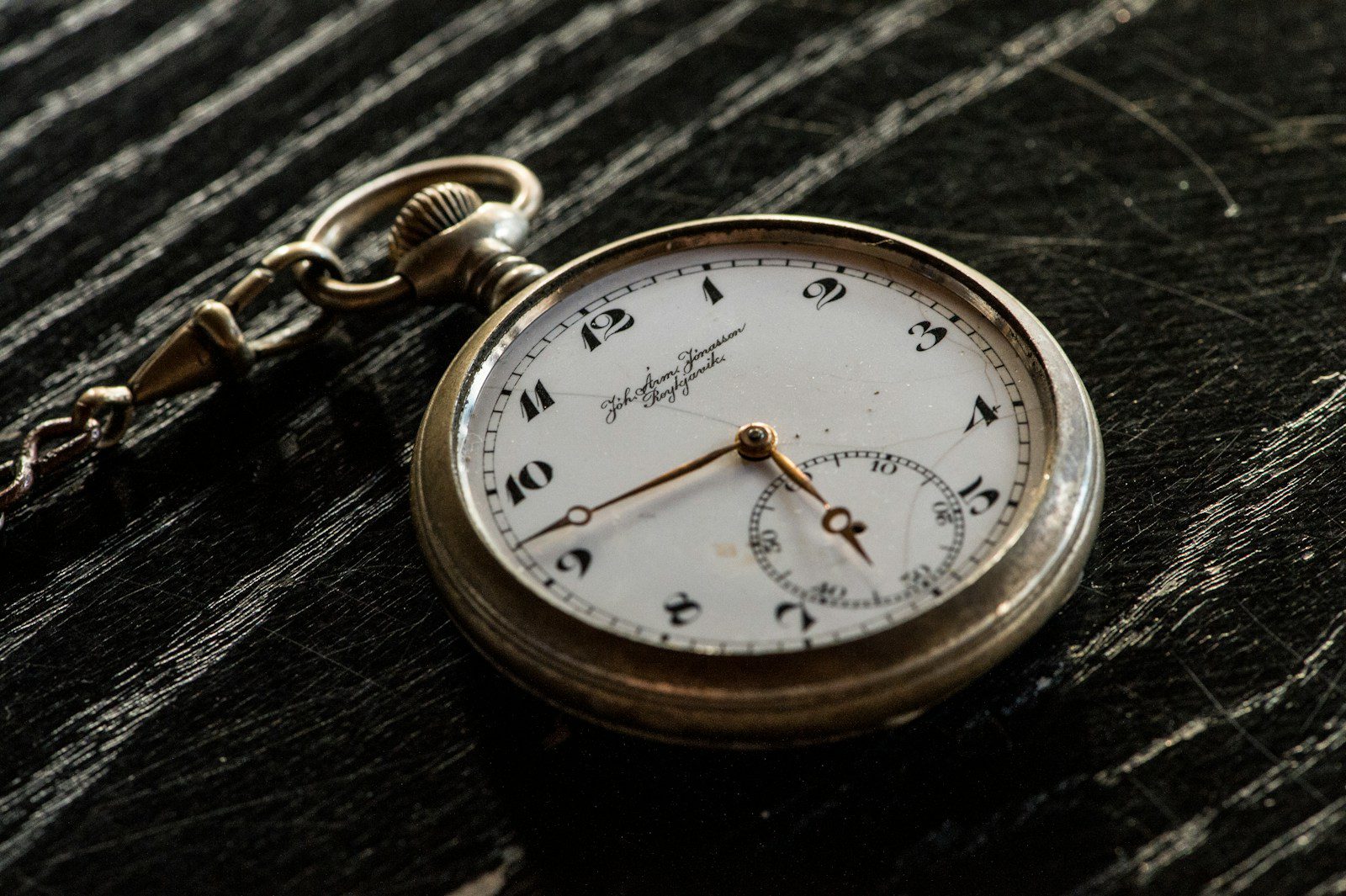
If you’ve ever wondered what really makes an item “vintage” versus “antique,” you’re not alone. The terms are often used interchangeably, but they actually refer to different age ranges and qualities that can affect an item’s value and appeal. An antique is typically something that is 100 years or older, while vintage refers to items that are between 20 and 99 years old, often reflecting a specific era or style. Knowing the difference matters whether you’re shopping, collecting, or just curious about the stories behind old treasures. It’s not just about age—things like how difficult the item is to find, the materials used, and the era it represents all play a role in defining whether something fits into the vintage or antique category.
I’m excited to dive into what separates these two fascinating classifications and share some tips on how to spot the difference when you’re browsing through markets or family hand-me-downs. It turns out, understanding these terms can make finding and appreciating old items even more rewarding. For more on this topic, see what experts say about the difference between vintage and antique items.

Key Differences Between Vintage and Antique Items
When I look at vintage and antique items, the first thing I notice is their age and what that means for their style, rarity, and value. These factors shape how each is appreciated and collected.
Defining Vintage: Age and Characteristics
Vintage items are typically between 20 and 100 years old. I find that vintage pieces often represent a specific era’s fashion, design, or cultural trends from the relatively recent past. For example, a mid-century lamp from the 1960s captures nostalgic styles without being considered antique.
Vintage items commonly showcase materials and manufacturing methods from the 20th century, such as early plastics or fiberglass. These details tell a story of a time less than a century ago but different from today’s trends. They might not have the rarity of antiques but often have strong emotional or aesthetic appeal.
Defining Antique: Age Threshold and Value
Antique items are defined by a clear age boundary: they must be at least 100 years old. This century-old mark separates antiques from more recent collectibles.
I see antiques as artifacts with cultural or historical significance, often connected to important eras like Victorian or Edwardian times. Their value usually comes from rarity, craftsmanship, and provenance, not just aesthetics. Older materials, hand-crafted methods, and signs of wear from long use are common indicators that an item is antique.
Antiques tend to be tougher to find, and their authentic historical context adds to their desirability and price.
Vintage vs Antique: Core Distinctions
To sum up the core differences, I focus on three main points:
- Age: Vintage items are 20–99 years old; antiques are 100+ years old.
- Cultural Value: Antiques generally have a stronger historical or cultural weight, while vintage items reflect specific, more recent trends.
- Rarity & Craftsmanship: Antiques are often rarer and feature older, hand-crafted techniques; vintage pieces may use mid-20th-century materials and manufacturing.
These distinctions help me decide what to collect or buy based on historical interest versus nostalgic style. If you want to know more about identifying and appreciating these items, checking expert advice and antique vs vintage differences can be really helpful.
Criteria for Classification and Identification
When trying to tell if something is vintage or antique, I look closely at its history, how it was made, and what typical examples fall into each group. These factors give clear clues about the item’s age and value. Understanding these can help you confidently classify collectibles or furniture.
Historical Significance and Provenance
Historical significance is key. An antique generally must be at least 100 years old and often has a rich history attached. Provenance, or the documented story of an item’s origin and ownership, adds credibility and helps confirm this. For example, knowing that a piece was owned by a notable figure or comes from a specific era strengthens its status.
In vintage items, provenance still matters but usually spans shorter periods, like mid-century modern pieces from the 1940s to 1970s. Vintage pieces often reflect important cultural or design movements but aren’t as old as antiques. If you can trace an Eero Saarinen chair back to its original production period with documentation, it becomes easier to label it vintage with confidence.
Craftsmanship and Materials
Craftsmanship distinguishes vintage from antique in practical ways. Antiques often feature hand-cut dovetail joints, hand-forged hardware, and solid hardwood construction. These details show the slow, skilled labor used before mass production.
Vintage items, by contrast, usually have early machine-made components–standardized screws, plywood sections, or synthetic finishes like early plastics or Bakelite. I find antique furniture has a heavier, solid feel compared to many lighter vintage pieces. Watching out for finishing techniques also helps; antique finishes tend to use shellac or oil varnish, while vintage might show early synthetic lacquers.
Common Examples of Each Category
Antique furniture often includes ornate Victorian designs with heavy carvings or Arts & Crafts pieces with visible handwork. Decorative arts like hand-painted ceramics or early American Colonial items commonly appear as antiques.
Vintage examples I see regularly include mid-century modern classics like Eero Saarinen’s Tulip Chair or Danish teak sideboards. These reflect specific design periods in the 20th century, with materials and profiles distinct from antiques. Vintage items tend to balance old-style craftsmanship with more modern production techniques, making them collectible but not quite antique.
Collecting and Valuing Vintage and Antique Treasures
When I collect vintage or antique items, I focus on their rarity, condition, and market demand. Knowing who deals in these treasures and understanding popular collectible categories helps me make smarter decisions about buying or selling.
Market Value and Rarity
The value of vintage and antique items often depends on their rarity and condition. For example, a limited edition vintage camera in excellent shape will generally fetch a higher price than a common model with damage. Antique dealers and auction houses pay close attention to authenticity, provenance, and any unique features like maker’s marks.
Market trends influence prices too. Recently, vinyl records have seen a resurgence, raising their value for collectors. I’ve found that researching recent sales or consulting expert appraisers gives a clearer picture of what an item might be worth.
Role of Collectors and Dealers
Collectors and antique dealers play crucial roles in shaping the market. Collectors, like me, drive demand by seeking specific periods or styles. Dealers act as gatekeepers, verifying authenticity and sometimes restoring pieces. Auction houses set benchmarks for value through public sales, helping both buyers and sellers understand current prices.
In my experience, building relationships with dealers and attending auctions can reveal hidden gems. Trustworthy dealers often share detailed histories of items, which adds to their value and appeal.
Popular Collectible Items
Certain categories tend to attract consistent interest from collectors and dealers. Vintage clothing, for example, is prized for its unique styles and fabrics from past decades. Cameras, especially early models, hold appeal for their craftsmanship and nostalgia.
Vinyl records have gained popularity for both sound quality and collectible album art. Antique furniture, porcelain, and clocks remain favorites because of their craftsmanship and timeless designs.
If you’re starting a collection, focusing on these items may offer the best mix of enjoyment and potential value growth. For tips on identifying and selling these treasures, I find guides like those on how to value and sell antiques and vintage collectibles very helpful.