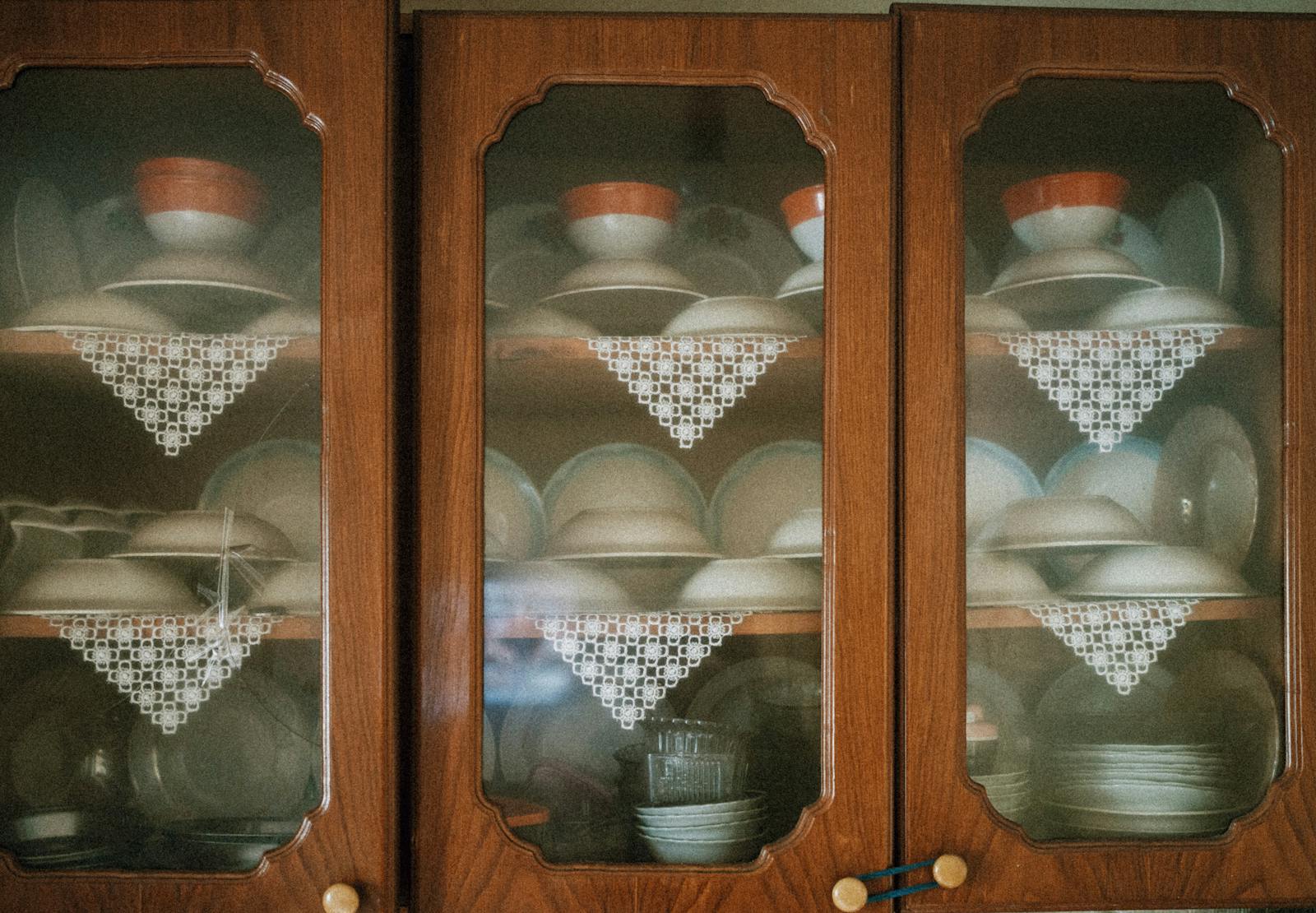
I’ve noticed something interesting lately: grandma’s old china cabinet is making a big comeback in homes everywhere. It’s no longer just a dusty relic from the past. The charm of these cabinets lies in their ability to blend nostalgia with modern style and function, making them as relevant as ever in 2025. What’s changed is how people are using and styling these pieces. Instead of cramming them with every dish in the house, owners now curate them with thoughtful displays—artwork, ceramics, and personal keepsakes—that tell a story and add warmth to a room. It’s this fresh approach that’s turning china cabinets into eye-catching focal points once again.
I’m excited to share how these timeless pieces have evolved and why they might just be the perfect addition to your space, whether you’re aiming for vintage charm or contemporary cool.

The Comeback of Grandma’s China Cabinet
Grandma’s china cabinet is no longer just a dusty relic. It’s becoming a meaningful part of modern homes, valued for its history, style, and connection to family stories. People are rediscovering how these cabinets fit into today’s decor and lifestyle in fresh, creative ways.
Nostalgia and Emotional Value
For me, the appeal of a china cabinet isn’t just its look; it’s the memories it holds. Items like transferware, those beautifully patterned plates your grandma carefully stored, tell stories of family gatherings and traditions. Seeing them displayed proudly brings a sense of warmth and continuity.
Many people, like me, enjoy showcasing heirlooms that connect us to the past. The cabinet becomes a space for sentimental objects, not just dishes. This emotional attachment is why these pieces are making a comeback, as they offer more than storage—they offer a glimpse into family history.
Cultural Shifts Toward Vintage Decor
I’ve noticed a wider trend toward vintage and retro styles in home design. People appreciate craftsmanship and unique items over mass-produced furniture. This shift has cast china cabinets in a new light, transforming them from “old-fashioned” to cherished statement pieces.
Transferware, often associated with classic cabinetry, fits perfectly into this trend. Its hand-crafted feel aligns with the desire for more authentic, sustainable decor. Instead of bulky, ornate hutches of the past, today’s cabinets often feature cleaner lines and modern finishes, appealing to contemporary tastes while honoring tradition.
Popularity in Home Design and Social Media
Social media has played a huge role in this revival. I’ve seen countless posts where people style their china cabinets with curated collections, mixing transferware with ceramics, glassware, and art pieces. LED lighting and open shelving make the cabinets feel fresh and intentional.
Many influencers highlight these cabinets as multifunctional decor—displaying vintage finds, books, or even textiles—showing how versatile they can be. This visibility inspires more people to bring a china cabinet into their home, making it both a stylish and practical choice. See more about this trend at the article on the 2025 Display Cabinet Comeback.
What’s Inside: Rediscovering Treasured Collections
There’s something special about the treasures tucked away in grandma’s china cabinet. From delicate patterns with rich histories to rare pieces and full sets, these collections have captured a new wave of attention.
Classic China Patterns Gaining Attention
Many classic china patterns are back in demand, especially those from well-known makers like Wedgwood, Royal Doulton, and Limoges. Patterns such as Wedgwood’s Fairyland Lustre are highly sought after because of their rarity and intricate designs.
Collectors value china with clear maker’s marks on the underside, as these prove authenticity. I’ve found that pieces with floral or oriental motifs often sell well, especially if the pattern was discontinued decades ago. These designs highlight craftsmanship and storytelling that you don’t find in mass-produced dinnerware today.
Spotlight on Transferware and Cabbageware
Transferware is one of the standout styles worth exploring. This technique, using engraved plates to transfer inked designs onto ceramics, dates back to the 18th century. Blue and white transferware, with pastoral or historic scenes, is especially collectible.
I also keep an eye out for cabbageware—a charming style featuring green, leaf-like patterns that resemble cabbage leaves. Both transferware and cabbageware are prized for their nostalgic appeal and detailed artistry. They often come in the form of plates, bowls, and teapots, making them perfect collectibles or statement pieces for display.
The Appeal of Full Sets and Unique Pieces
A full china set from an esteemed brand can be worth significantly more than individual pieces. Having matching plates, cups, saucers, and serving dishes shows completeness, which appeals to buyers and collectors alike.
That said, I’ve noticed unique or rare individual pieces can also attract attention—especially unusual shapes, artist-signed plates, or limited-edition items. These pieces hold a story or a specific charm that full sets sometimes lack.
Here’s a quick look at what adds value:
| Valuable Features | Why It Matters |
|---|---|
| Complete Sets | Rarity and cohesiveness |
| Artist Signatures | Proof of authenticity |
| Limited Editions | Scarcity increases worth |
| Unusual Shapes or Colors | Unique appeal and design |
Rediscovering these collections feels like uncovering history, and it’s clear why collectors are drawn back to grandma’s china cabinet.
For more insights on vintage china and its value, check the detailed guide on treasured collections from grandma’s house.
Grandmacore Style and How to Make It Modern
Blending old and new is key to making grandmacore feel fresh and livable today. Finding balance between vintage charm and contemporary elements creates a cozy, inviting space without feeling stuck in the past.
Mixing Vintage Cabinets With Contemporary Decor
I find that a vintage china cabinet immediately brings character. To keep it modern, I pair it with sleek furniture like clean-lined sofas or glass coffee tables. This contrast highlights the cabinet without making the room feel dated.
Neutral wall colors work well to let the cabinet stand out. Adding modern lighting, like a minimalist chandelier or track lights inside the cabinet, highlights your collectibles stylishly.
Using mixed materials—think brass handles on a classic wood cabinet next to metal and leather accents—creates an appealing blend. This way, the antique doesn’t dominate but complements a modern vibe.
Incorporating Floral Wallpaper, Oriental Rugs, and Doilies
Floral wallpaper is a quick way to add that grandma-inspired warmth, but choosing subtle patterns in muted tones keeps it contemporary. I like wallpaper with delicate flowers rather than busy prints.
Oriental rugs add texture and color while rooting a space in tradition. Picking rugs with softer, less intricate designs helps maintain a fresh feel. Layering rugs can also keep things dynamic.
Doilies feel quintessentially grandmacore. I use them sparingly—as coasters or framed art—to avoid clutter. Choosing lace with simpler patterns keeps the look light and approachable.
Tips for Displaying China and Collectibles at Home
Display is about storytelling. I rotate pieces seasonally to keep things interesting and prevent overpowering the room.
Grouping china by color or style in the cabinet creates cohesion. I keep the arrangement spacious; crowded shelves lose the charm.
Use shelves with good lighting or add LED strips to highlight your display’s details. Mixing in a few modern accessories like sleek vases or small plants bridges past and present nicely.
This approach keeps your cherished items front and center without feeling overwhelming or old-fashioned.
To explore more about how the grandmacore aesthetic works in interiors, you can check out ideas on how to embrace the grandmacore aesthetic.
Where to Find and How to Value Vintage China Cabinets
Finding vintage china cabinets means knowing where to look and what to look for. Valuing them depends on careful inspection of details like craftsmanship and condition, which can significantly affect their worth.
Treasure Hunting at Flea Markets and Online
I often start my search at flea markets and antique shops because you can find unique pieces with character. These places sometimes yield hidden gems that you won’t easily spot online. When it comes to online, platforms like eBay and Etsy are great, but I always check the seller’s reviews and request detailed photos before buying.
When browsing, I focus on quality wood, original hardware, and clear glass panels. Authentic cabinets often come with distinctive marks or labels from the maker, which can also appear in online listings.
Evaluating Condition and Authenticity
To determine value, I first look for signs of age like minor scratches, wear on corners, and non-uniform joints—these usually indicate a genuine vintage cabinet. Handcrafted details with visible chisel marks often signal older craftsmanship, especially pre-1860s.
I also inspect hidden areas like undersides for unpainted or unstained spots, which are common in antiques. If the piece looks machine-made or too perfect, it’s probably a modern reproduction.
Authenticity and condition directly influence price. Well-preserved or rare designs, like curved glass cabinets, typically fetch higher values. I find that verifying the cabinet’s history and maker’s marks helps confirm its provenance and worth. For more guidance, I rely on resources like detailed antique china cabinet value guides.