


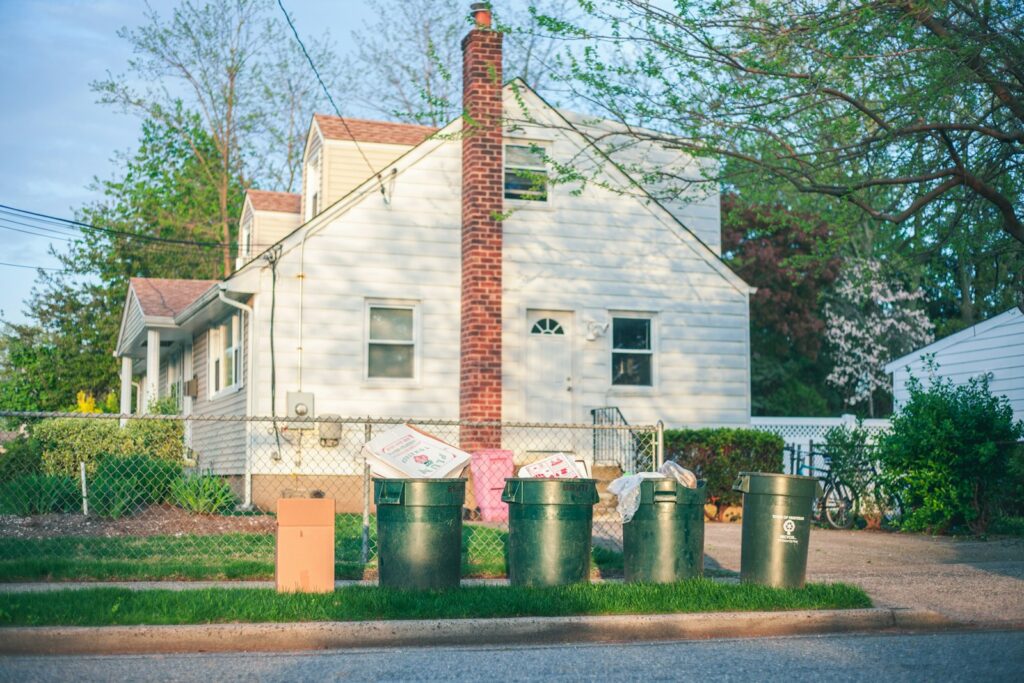
You probably noticed listings for sprawling five-bedroom houses sitting on the market longer than you’d expect. You’ll learn why those once-coveted “forever homes” now struggle to attract buyers and what that means for your plans to sell or buy one.
This article will guide you through shifting buyer priorities, rising upkeep and utility costs, and how changes in family size and work habits reshape demand—so you can quickly spot whether a large house is an asset or a liability for your situation.
Oversized homes aren’t as appealing as they used to be

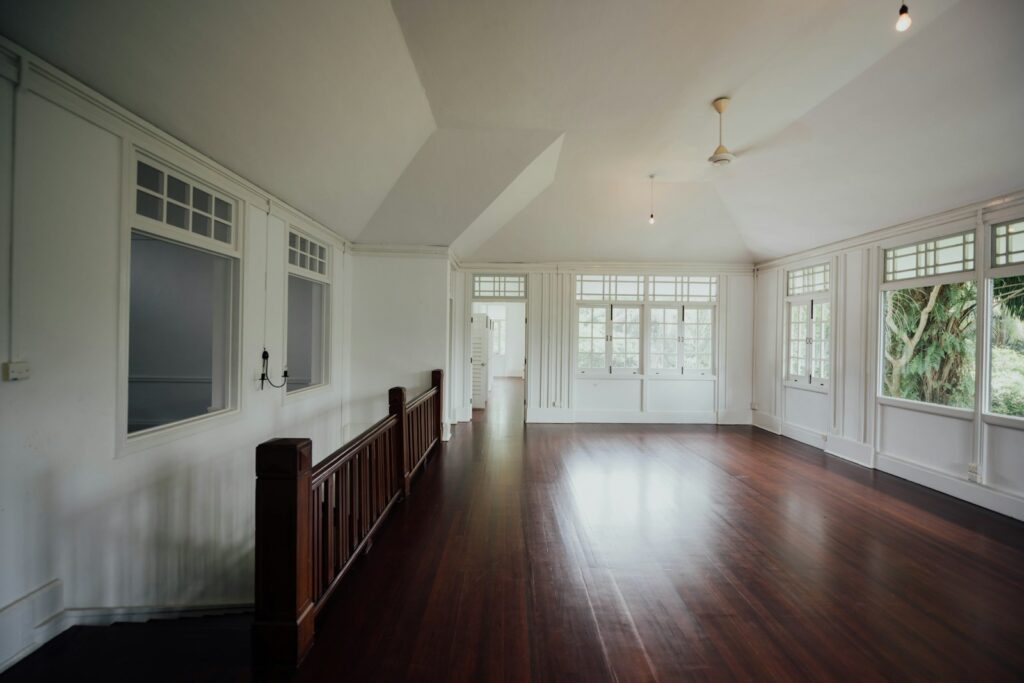
You now face higher utility bills and more upkeep when you own a large five-bedroom house.
Many buyers prefer manageable spaces that fit their current lives and budgets.
You also have to compete with newer, more efficient homes offering similar comfort in less square footage.
That shift makes oversized “forever homes” harder to sell, especially to younger buyers.
Some owners remodel instead of moving, which keeps big houses off the market.
Fewer listings means less demand and longer selling times for those that do appear.
Maintenance for 5-bedroom houses is a major turnoff
You’ll face more repairs, cleaning, and yard work in a 5-bedroom home than in a smaller house. Larger roofs, multiple HVAC zones, and extra bathrooms mean higher upkeep costs and more contractor calls.
Buyers often see maintenance as lost time and money. That perception narrows your pool to buyers willing to trade convenience for space.
If you want to sell, be ready to justify the upkeep with clear value—rental potential, multigenerational use, or well-documented recent upgrades.
Buyers prefer smaller, more efficient spaces
You want lower utility bills and less time cleaning, so a compact, well-designed layout appeals more than unused bedrooms.
Smaller homes often include smarter storage, open living areas, and multifunctional rooms that fit modern routines.
You may prioritize location, walkability, and outdoor space over extra indoor square footage.
That shift makes five-bedroom layouts feel inefficient and harder to justify for many buyers.
Changing family sizes mean big homes aren’t needed
You’re likely having fewer kids or choosing to stay childfree, so those extra bedrooms sit empty more often.
Smaller households and multigenerational living cut demand for large single-family layouts.
You might prioritize flexible space—home office or gym—over formal guest rooms.
That shifts buyers toward smaller, adaptable homes and away from traditional five-bedroom footprints.
Remote work reduces the need for extra rooms
You no longer need a spare bedroom just to have a quiet workspace; many people repurpose one room into a home office and keep the rest empty.
With remote work widespread, buyers often prefer efficient layouts over extra bedrooms that stay unused.
That shift helps explain why some 5-bedroom listings linger—buyers see fewer functional benefits and more maintenance costs.
Sellers with large homes sometimes convert rooms into multiuse spaces or rent them, but not every buyer values that flexibility.
High utility and heating costs scare potential buyers
You’ll notice larger homes often carry much higher monthly utility bills, especially in older layouts with poor insulation. That ongoing cost becomes a real consideration when buyers compare per-room value.
Heating big spaces feels expensive, and many buyers worry about uneven warmth and zone control. When they add estimates for winter bills, a “5-bedroom” can suddenly look less affordable.
Luxury 5-bedroom homes often priced out of market
You might love the extra space, but luxury 5-bedroom homes often sit above what local buyers can afford.
High build costs, premium finishes, and large lots push asking prices beyond typical neighborhood income levels.
If your house targets an empty-nester or downsizer, they rarely want to pay luxury premiums for unused rooms.
That mismatch means longer listings and deeper price cuts, even in otherwise healthy markets.
See reporting on how these oversized properties become hard to sell in suburbia: Ghost mansions: Why the 5-bedroom “forever home” is turning into an unsellable burden for boomers.
Older 5-bedroom homes can feel outdated inside
You walk in and notice dated layouts that don’t match how you live today. Closed-off rooms, narrow hallways, and formal dining rooms can feel wasted.
Fixtures, finishes, and color palettes often look stuck in the past. Updating kitchens, bathrooms, and lighting takes time and money you might not want to spend.
Mechanical systems can also lag. Old HVAC, windows, and insulation raise concerns about comfort and future costs.
Many markets see low demand for large suburban homes
You’ve probably noticed big houses sitting on the market longer than before.
Buyers today want lower maintenance, shorter commutes, and rooms that match current needs, not five formal bedrooms.
Older owners often stay put, leaving fewer listings and making oversized homes less attractive.
Local markets vary, but reports on “ghost mansions” in suburbia show this shifting demand in many areas.
Younger buyers prioritize location over square footage
You often prefer shorter commutes, walkable neighborhoods, and nearby amenities more than a huge house. Living near transit, restaurants, or parks matters for daily life and resale.
A five-bedroom layout can feel wasteful when you value experiences over extra rooms. That shift helps explain why oversized “forever homes” sit longer on the market.
Younger buyers’ choices help create a mismatch with older sellers holding large properties for space rather than location. See reporting on this trend in larger homes that are becoming harder to sell. Ghost mansions: Why the 5-bedroom “forever home” is turning into an unsellable burden for boomers
More from Decluttering Mom: