


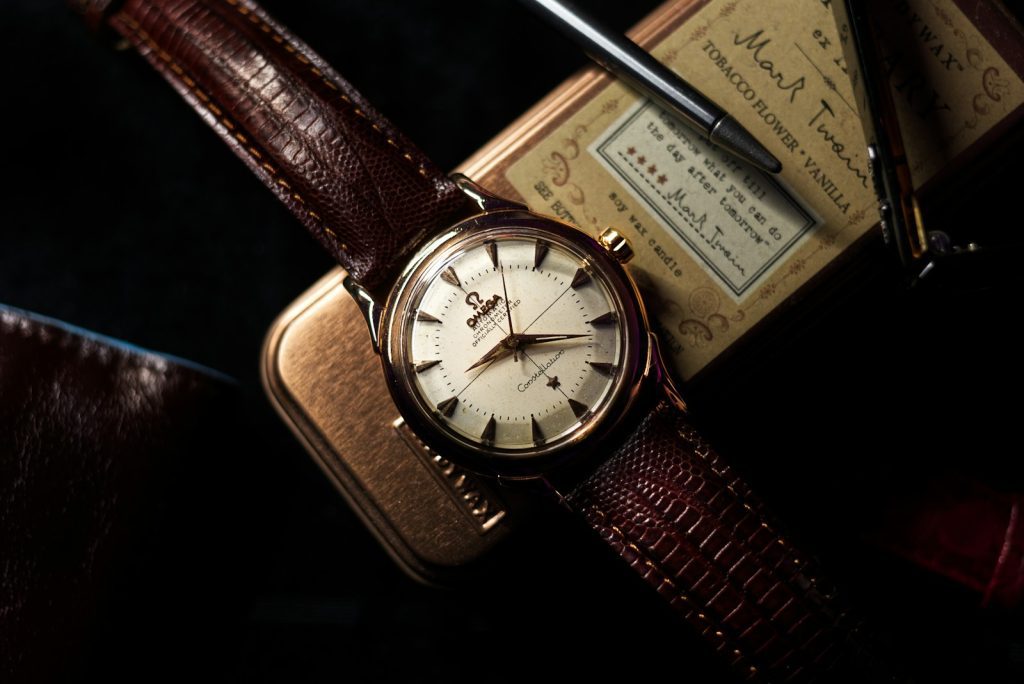
When I first started exploring vintage watches, I was surprised by how small they seemed compared to today’s oversized styles. Watches from the mid-20th century often have cases around 33 to 36 mm, which might feel tiny by modern standards. The reason vintage watches are smaller is a mix of historical design trends, practical technology limits at the time, and a preference for understated elegance. What’s fascinating is that despite their size, vintage watches have gained tremendous value over the years. Their craftsmanship, rarity, and historical significance make them highly sought after by collectors and enthusiasts alike. I’ve found that the smaller size often adds to their charm, showing how timeless style and quality can outlast trends.
If you’re curious about why these petite timepieces hold so much appeal and how their size connects to their value, stick with me. Understanding this can change how you see vintage watches and why they deserve more appreciation than you might have thought. For more insights on the significance of these watches, you can check out this article on why vintage watches were smaller and why that still matters.

Understanding Why Vintage Watches Are Smaller
Vintage watches often surprise people with their modest size compared to today’s large timepieces. Their smaller dimensions result from a blend of historical trends, advances in technology, and changing cultural preferences that shaped how watches were worn and perceived.
A Brief History of Small Watch Trends
When wristwatches first became popular in the early 20th century, smaller sizes were the norm. Watches typically ranged from around 30 to 36 mm in diameter, which was considered standard and practical for everyday wear. For men, this size was comfortable and unobtrusive, matching the narrower wrist sizes common at the time.
Before wristwatches, pocket watches dominated, some quite large and heavy. As wristwatches replaced pockets for convenience, smaller, thinner designs emerged to suit formal wear and everyday style. The 1930s to 1960s especially favored these more compact watches, reflecting the era’s balance between elegance and functionality.
Technological Innovations and Their Impact on Watch Size
Early on, the size of watch movements was closely tied to technology. Larger pocket watch movements were robust but bulky. As manufacturing techniques improved, watchmakers developed smaller, precise movements, allowing them to reduce the case size without sacrificing accuracy.
The shift from bulky, manual-wind movements to slim automatic and quartz calibers in later decades enabled even thinner and more diverse watch designs. Smaller wrist watches became easier to produce consistently and at scale, appealing to those who valued comfort and subtle craftsmanship over size.
Fashion, Culture, and Wrist Watches
Smaller watches fit a practical role in fashion and culture. Dress watches, designed to slide under a shirt cuff, were intentionally kept compact. This made smaller sizes desirable for formal occasions and daily wear by many men and women.
Cultural norms also shaped perceptions of watch size. In earlier decades, bold, oversized watches weren’t as common or favored. Instead, a small watch symbolized subtlety, refinement, and timelessness. In contrast, today’s trend for larger watches reflects different fashion statements but hasn’t wiped out the appeal of smaller, vintage-inspired wrist watches.
For more on the history of watch sizes, see why vintage watches were smaller.
How Smaller Watches Became Highly Valuable
Smaller watches have gained significant value due to a mix of demand from collectors, limited availability, and the influence of top watchmakers. Their appeal goes beyond just size—there’s a deep appreciation for the craftsmanship and history behind these compact timepieces.
Desirability Among Collectors
Collectors are drawn to smaller watches because they often represent the original style and spirit of mid-century watchmaking. These pieces are prized for their elegance and proportion, which fit naturally on the wrist without overpowering it.
The shift away from oversized models has made smaller watches a symbol of refined taste. Many enthusiasts appreciate how smaller watches provide timeless style while allowing the wearer to showcase subtle craftsmanship. This trend is reflected in rising auction prices and heightened interest in vintage collections.
Rarity and Limited Production
Smaller watches were produced in limited numbers compared to today’s widespread larger models. This scarcity drives their value in the market. Many original mid-century examples that remain in good condition are increasingly hard to find.
In addition, vintage small watches often include unique movements and design details that modern watches rarely replicate. Their preserved originality and compact mechanics make them stand out. With rising demand, the limited supply pushes prices higher.
Role of Prestige Brands in Setting Value
Prestige brands like Patek Philippe, Cartier, and Piaget have played a crucial role in elevating the value of smaller watches. Their historically significant models, such as Patek’s Calatrava at 30.5mm, have set benchmarks in design and technical skill.
These brands often maintain authentic proportions in their reissues, reinforcing the desirability of smaller watches. Collectors recognize the heritage and technical mastery embedded in these pieces, contributing to their stronger market position.
Smaller watches from these brands continue to command attention—and higher prices—because they combine legacy with enduring style. This makes them not just accessories, but sought-after investments.
You can explore how brands influence this trend further in this article on why smaller watches make a big impact.
The Modern Appeal and Versatility of Vintage Small Watches
Vintage small watches have found a fresh place in modern wardrobes because of their timeless style and practical size. They fit comfortably on a variety of wrist sizes and offer a subtle statement that stands apart from the often flashy larger watches seen today.
Resurgence in Contemporary Fashion
I’ve noticed that smaller vintage watches are making a big comeback in fashion circles. Many designers and collectors are drawn to their classic look, which often features clean lines and minimalistic details. This appeal stems from the fact that these watches complement both formalwear and casual styles without overpowering the outfit.
Unlike oversized sports watches, smaller watches bring out elegance by being less intrusive. They allow the wearer to showcase good taste and appreciation for craftsmanship without shouting for attention. This trend is especially popular among those who prefer a refined, retro aesthetic.
Versatility for Different Wrist Sizes
One of the things I love about smaller vintage wrist watches is how well they suit different wrist sizes. People with smaller wrists often find large modern watches uncomfortable or awkward looking. Vintage watches usually fall in the 30-36mm case size range, which fits snugly without sliding around.
Because of their compact size, these watches are perfect for anyone who prefers comfort or a more traditional fit. They slip easily under shirt cuffs, making them ideal for both work and social settings. This versatility adds practical value, making these pieces a reliable choice for daily wear.
Stealth Wealth and Understated Elegance
For me, smaller vintage watches embody the concept of “stealth wealth”—showing quality and style without overtly displaying status. Their understated elegance appeals to those who want a watch that speaks softly but with confidence.
Unlike some modern watches that focus on size and bold features, small vintage watches draw you in with fine details like intricate dials, subtle patinas, and craftsmanship you can appreciate up close. Wearing one feels like having a quietly impressive accessory that only true enthusiasts might notice.
You can think of them as conversation starters without being showy, offering a more personal connection to the art of watchmaking. This kind of charm is a big part of why I find vintage watches so valuable beyond just their size.
Tips for Buying and Collecting Smaller Vintage Watches
Smaller vintage watches often have delicate details and unique character that set them apart. Paying close attention to authenticity, sourcing smartly, and styling them well can make a big difference in your enjoyment and investment.
Evaluating Authenticity and Condition
When I look at smaller vintage watches, I focus heavily on the dial and hands. These parts should show consistent aging, like even patina or lume color. Overly perfect printing or mismatched fonts can hint at a redial or refinished dial, which lowers value.
The case size, usually between 32-36mm for smaller watches, matters too. I check for sharp edges and minimal polishing, as a well-preserved case means better originality. Don’t forget the movement; matching the caliber to the model’s production period is key. A clean, rust-free movement is non-negotiable for me.
I always ask for detailed photos of the case back and movement serial numbers to verify consistency with the watch’s story. Small watches can be trickier to inspect but don’t settle for unclear or incomplete information.
Sourcing and Pricing Strategies
I tend to start with reputable dealers who specialize in vintage timepieces. They often offer guarantees on authenticity, which is reassuring, especially for smaller watches that are less common today.
Auction houses are another option, but I keep extra caution as bidding wars can inflate prices. Online marketplaces have huge selections, but they require more research and patience to avoid fakes and misrepresented conditions.
For pricing, past sales data on platforms like Chrono24 is invaluable. Smaller vintage watches can be undervalued because of their size, so I look for price gaps between them and their larger counterparts. I also adjust for condition, original parts, and if the watch comes with the original box and papers.
How to Style and Wear Small Watches
Smaller vintage watches wear quite differently than modern oversized styles. I find that on my wrist, a 34mm or smaller watch feels elegant and comfortable without being obtrusive.
These watches often pair best with formal or business casual attire. Their understated size makes them great conversation starters but won’t overpower your outfit.
If you have wider wrists, you can still pull off a smaller watch by choosing thinner straps or bracelets that balance the overall look. Experimenting with leather or colorful NATO straps adds personality without overshadowing the vintage charm.
Embracing the smaller size shows confidence in appreciating timeless design over size trends.