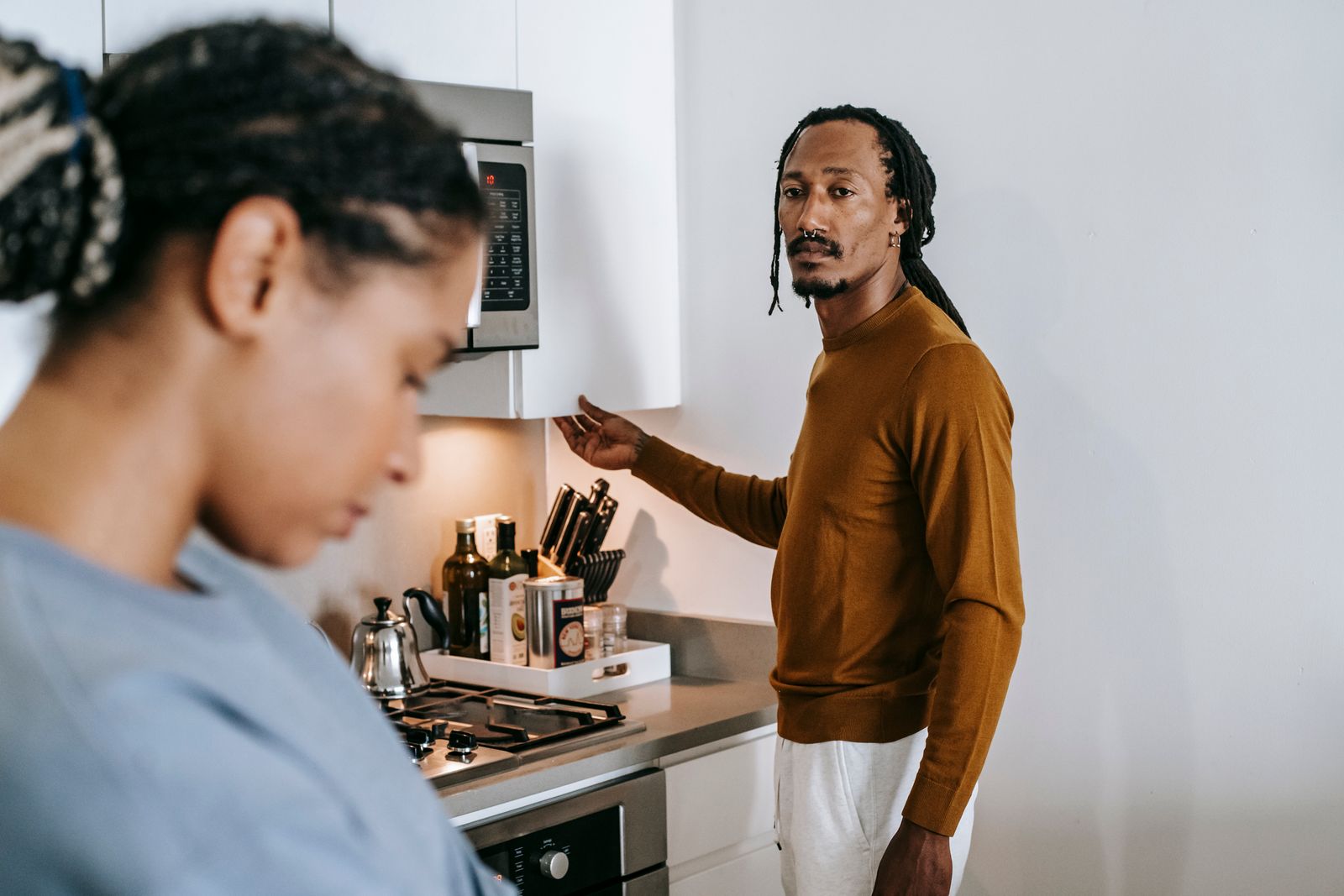
A woman recently found herself in a tense conversation with her husband about a solo trip she wanted to take for her birthday. After months of fighting and unresolved issues, she felt the need for a peaceful space to celebrate. But instead of understanding, her husband turned the discussion into yet another reflection on his pain, leaving her feeling confused and unsettled.
In her post, she explained that the couple had been in therapy for over a year and a half, but the arguments had intensified recently. It was clear they had both been struggling, but this latest attempt to set boundaries caused the conversation to spiral. When she expressed a desire to spend her birthday alone, her husband immediately focused on his hurt feelings instead of her need for space.

As she tried to convey her feelings, the woman found it increasingly difficult to articulate her emotional needs without feeling responsible for her husband’s reactions. She stated that the tension in their relationship made her want to avoid spending her birthday surrounded by unresolved conflict. Her husband, however, felt rejected by her desire to celebrate alone and began bringing up past grievances, which only contributed to the mounting tension.
After stepping away to cool down, she attempted to re-engage, acknowledging his feelings of hurt and trying to clarify her needs. However, this didn’t lead to a productive discussion. Instead, he continued expressing how her decision impacted him, emphasizing that she wasn’t the only person feeling pain in their relationship. That statement left her feeling more isolated and misunderstood.
Some commenters noted that the husband’s behavior reflected a common pattern where individual needs get overlooked in favor of managing a partner’s emotions. People pointed out that while it’s natural to feel hurt, the approach of deflecting the focus onto one’s own feelings can muddy the waters when discussing boundaries and personal needs.
Others highlighted the importance of personal space in a relationship, especially during stressful times. They suggested that while compromise is often needed, sometimes what a person needs most is a moment alone to recharge and reflect. The post resonated with many who have been in similar situations, where one partner’s needs clash with the other’s expectations.
Some advised that it might help the woman to be clear about her intentions when she explained her desire for a solo trip. Framing it as a means to recharge rather than an outright rejection of her husband could offer more clarity and possibly ease some of his hurt feelings. However, there was a palpable sense that the conversation had already become too charged to easily navigate.
As the woman’s internal conflict grew, she began questioning whether inviting him on the trip would be a way to find a compromise. But the fear that his reaction to her initial request had already cemented the need for solitude made her hesitate even more. It created an unsettling cycle of wanting to reconnect but simultaneously desiring the space to heal.
The entire scenario raises questions about how couples handle personal needs amid conflict. When one partner feels the need for solitude to cope with emotional turmoil, how can the other partner also feel validated without shifting the focus to their personal pain? It’s a balancing act that can quickly become overwhelming.
Ultimately, the woman found herself still grappling with the decision of whether to go on the trip alone or reconsider bringing her husband along. The need for a calm, emotionally safe birthday looms large in her mind, but the push and pull of their relationship dynamics complicates the situation further.
More from Decluttering Mom: