One woman was left unsettled after her long-planned trip was abruptly canceled due to her husband’s reckless driving. A day before she was supposed to fly out, he rear-ended another vehicle, resulting in a broken arm and a life flight. Despite her excitement to reconnect with her college best friend, she found herself scrambling to manage an unexpected medical emergency while juggling her own feelings of frustration.
For the past 15 years, this woman had faced a consistent pattern in her relationship where her husband seemed to overshadow her interests. Each time she planned something enjoyable, his reactions often turned the experience sour. One instance involved a trip she had taken for fly fishing, where he did not participate in the activity and instead engaged in mountain biking. When he encountered a biking mishap, he wanted to cut the trip short, expecting her to prioritize his discomfort over the significant financial investment she had made in the fishing guide.
Over time, she grew weary of footing the bill for their adventures while also dealing with his negative attitude. A trip to Disneyland was a pivotal moment where she laid down the law: if she heard him complain, she would cancel their hotel and send him home. The stakes were clear; she was not going to let his discontent ruin her experiences any longer.
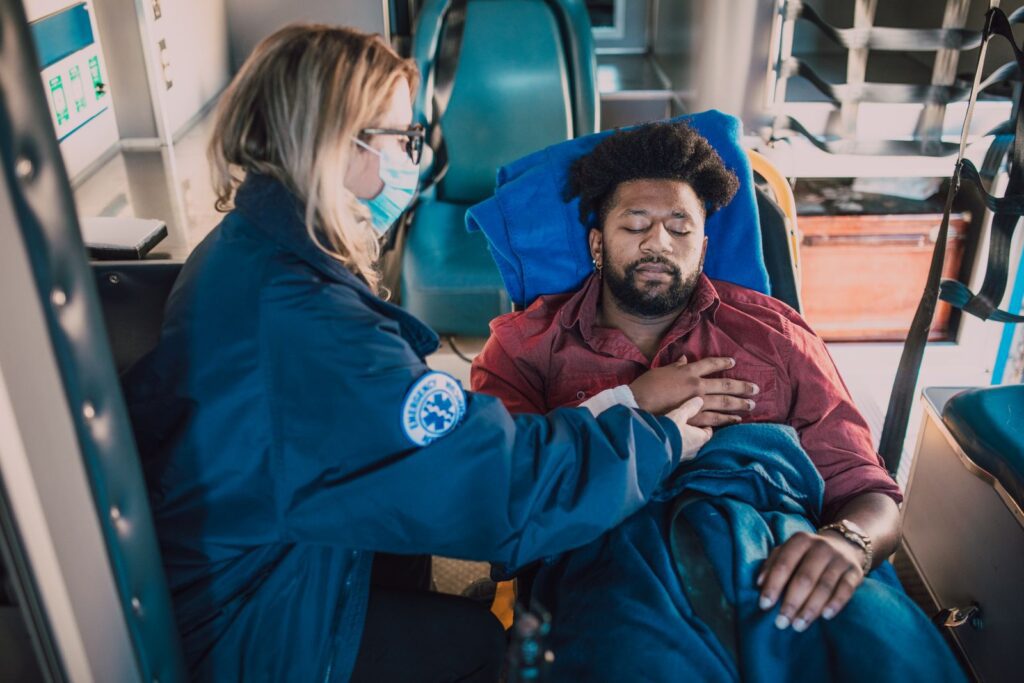
When she announced her plans to go fly fishing out of state with a close friend, her husband’s reaction was telling. He looked disappointed and rejected, despite the fact that he had no interest in fishing. In a matter of hours, this disappointment morphed into a real crisis as he was involved in a car accident, fracturing his arm and resulting in serious blood loss. She received a call from the nurse about the life flight, putting her in the position of emergency contact and medical directive representative.
People had very different reactions to her story online. Some expressed sympathy for her situation, emphasizing the stress of dealing with a partner who disregarded her needs and desires. Others pointed out that his previous behavior—like reckless driving and past accidents—was a reflection of deeper issues that needed addressing. Many felt her feelings of anxiety were valid and that it was understandable for her to desire a break from the chaos.
As she navigated the logistics of emergency care, her plans for a vacation fell by the wayside. She had spent months looking forward to reconnecting with her friend, yet here she was, stuck in a hospital situation. The implications of her husband’s actions weighed heavily on her. Balancing compassion for him with her yearning for personal time became a complicated emotional juggling act.
Some commenters suggested she consider therapy again, while others speculated about the future of their relationship, given the pattern of behavior exhibited over the years. Yet, the reality of her decision was complex. She owned an LLC and had trusts that required consensus from multiple parties before a divorce could be initiated, making the idea of leaving all the more daunting.
The discussion continued with various opinions about whether she should prioritize her well-being or stay committed to helping him post-accident. The notion of financial independence mingled with emotional entanglement sparked a rich debate online, revealing that many could relate to the struggle of balancing self-care with obligations to a partner. People wondered if there was a path forward that would allow her to reclaim her own joy without sacrificing care for him.
At the end of it all, the woman was still in a holding pattern, waiting for her life to feel somewhat normal again. Her vacation plans had been postponed, and the emotional burden of her husband’s choices loomed larger than ever. Could she find a way to carve out her own happiness amid this chaos, or would she forever be pulled back into his orbit of recklessness?
More from Decluttering Mom: