
One mom found herself in an unsettling situation when her best friend of 20 years labeled her recovering husband as dangerous. The comment wasn’t just a passing insult; it struck deep and disrupted their long-standing friendship. After years of support through each other’s struggles with addiction, this unexpected accusation felt like a betrayal, leaving her caught between loyalty to her friend and the well-being of her family.
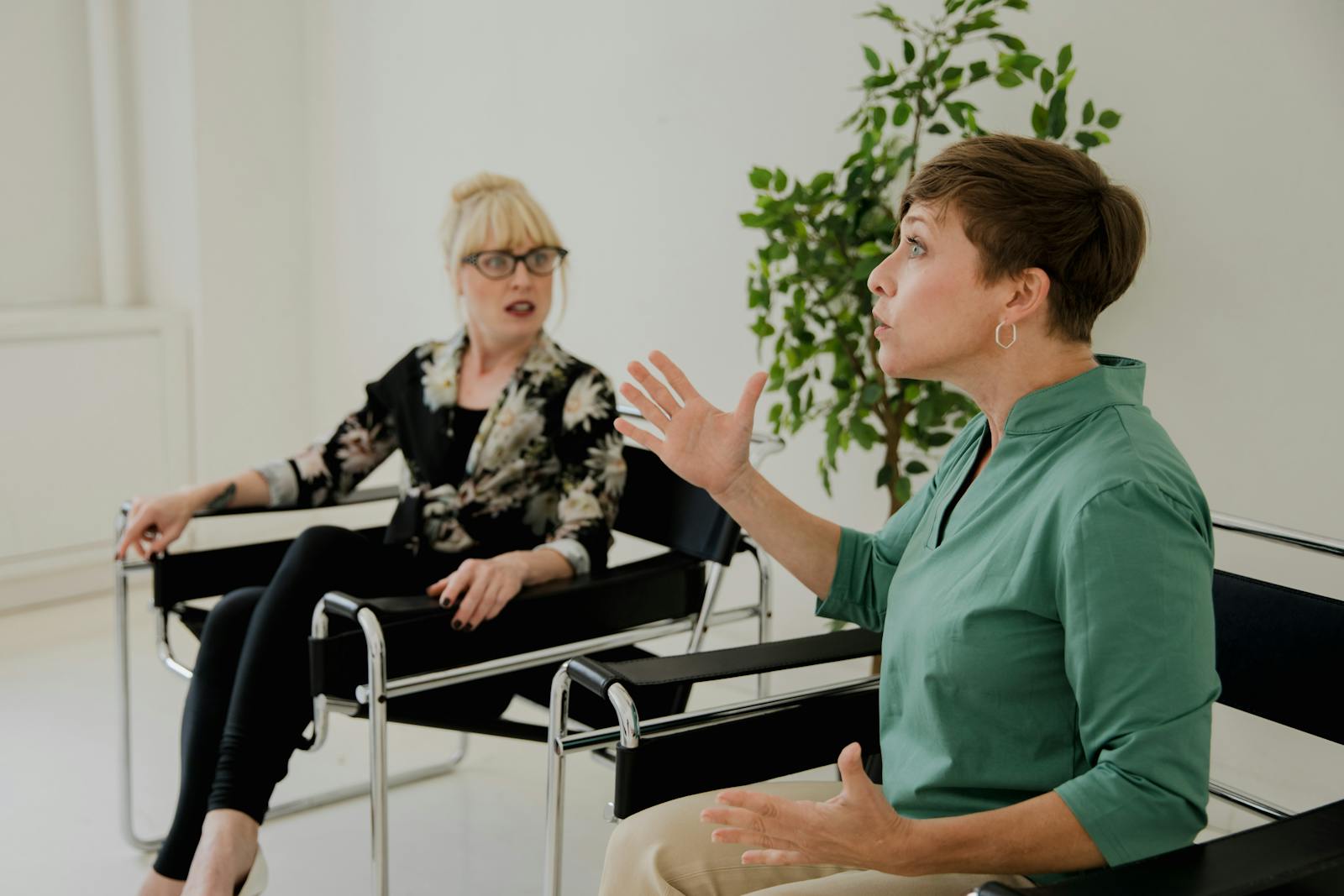
In a recent Reddit update, she recounted the fallout after her friend insisted her husband would relapse and potentially become violent. Seeking clarity and resolution, she reached out to her friend, hoping to communicate the emotional weight of those words. Instead of a productive conversation, she was met with defensiveness and tears—though the mom remained calm, explaining how the friend’s comments affected both her and her husband.

During their call, the tension escalated. The friend’s fixation on her husband’s past behavior seemed to overshadow the hard work he had done in his recovery journey. The mom pointed out that her husband had never shown violent tendencies, even during their darkest days. Yet her friend maintained a narrative that suggested she knew better, claiming she only trusted alcoholics she was familiar with—essentially saying she believed in the mom’s recovery but not in her husband’s.
Some comments on her original post suggested that her friend’s views might stem from her own experiences with addiction and trauma. People pointed out that she could be projecting her fears onto the mom’s situation, unable to see the growth that had occurred over the years. This perspective resonated with many who encountered similar dynamics in their friendships.
As they continued to talk, the mom learned that her friend had actually never liked her husband. This revelation hurt deeply, especially since they had shared countless moments together throughout the years. It felt disheartening to know that those past interactions were built on a foundation of unspoken disapproval. In trying to address her friend’s fears and assumptions, she realized that some people remain stuck in a past version of others, one that doesn’t take into account the progress and changes that have occurred over time.
Following the call, she made the difficult decision to cut ties. It wasn’t that she didn’t care for her friend—she loved her—but she couldn’t keep someone in her life who viewed her partner with such distrust and negativity. The pain of that loss lingered, but the mom recognized the necessity of protecting her family’s well-being. The fallout from the conversation illustrated just how far apart they had drifted, even after years of friendship.
People had very different reactions to her story on Reddit. Some thought it was commendable that she set boundaries, emphasizing the importance of surrounding oneself with supportive people. Others pointed out her friend’s behavior as indicative of deeper issues, suggesting that she might need therapy to address her anxiety surrounding addiction. Many could relate to the uncomfortable dynamics of friendships shifting over time, especially when personal growth is involved.
As the mom reflected on the situation, she considered how friendships could evolve or even dissolve when personal experiences shape perspectives in such contrasting ways. Is it possible for someone to outgrow a friend when their paths diverge so dramatically? That uncertainty is perhaps the hardest part to accept, leaving both parties with lingering questions about trust and support.
In the end, this experience served as a stark reminder that not everyone will see the changes one makes, especially if their view of the past remains unchanged. The mom’s decision to move on highlights a reality many face: when relationships become more harmful than supportive, sometimes the hardest choice is to walk away, even after decades of shared memories.
More from Decluttering Mom:

