
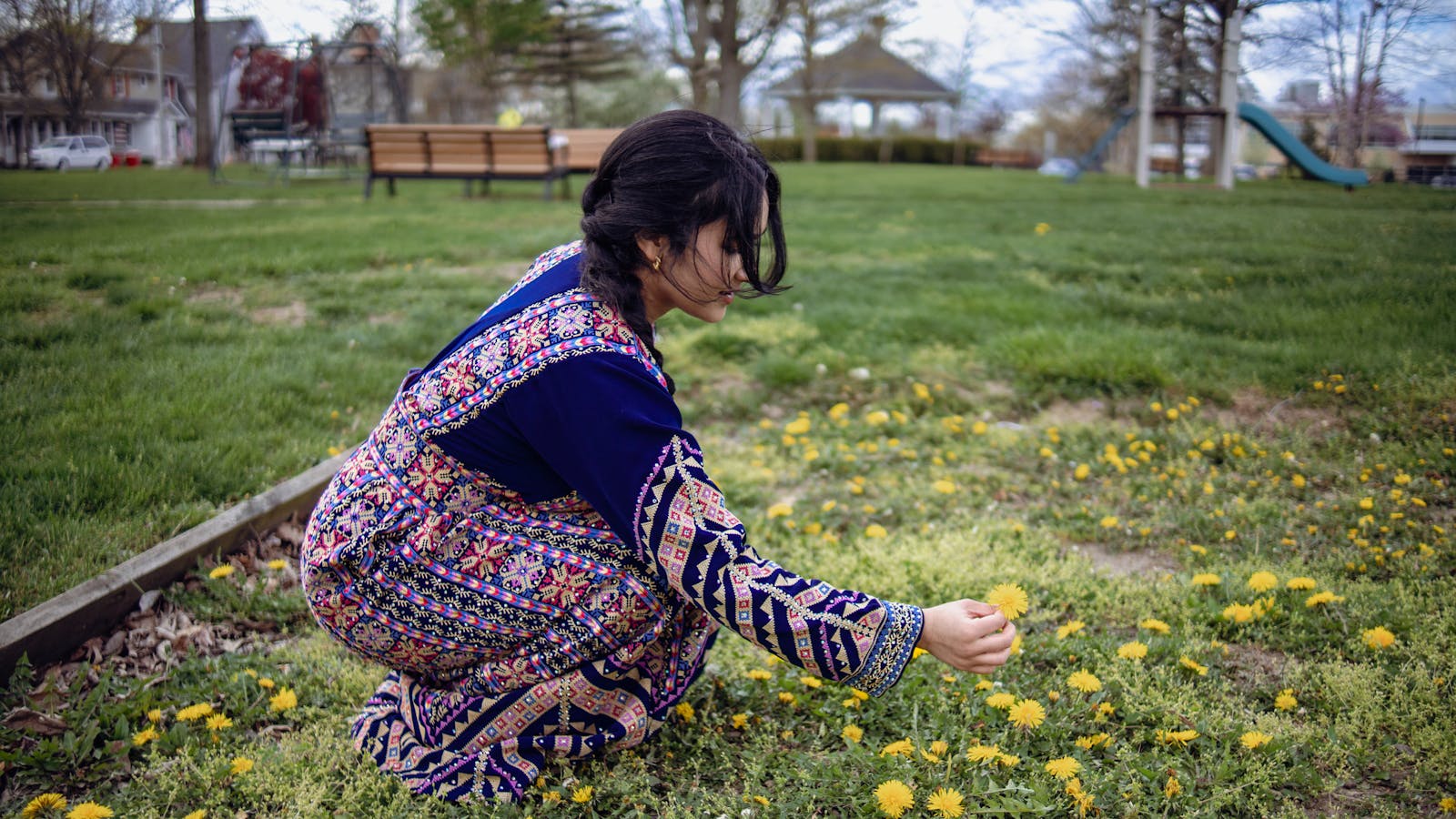
One mom found herself in an unexpectedly tense situation when her neighbor came over with an unusual request. The neighbor, clearly proud of their manicured lawn, insisted that she should get rid of her dandelions. They framed it as a matter of responsibility, suggesting that her unkempt yard was compromising their pristine garden. The mom listened as the neighbor implied she was lazy for allowing the dandelions to thrive and mentioned their reliance on chemical herbicides to maintain their plot of land.
Instead of caving to the pressure, the mom made a decision that was both thoughtful and a bit cheeky. She had always left dandelions up for the bees, recognizing the importance of these little creatures for pollination and the ecosystem. It felt good knowing that her yard was contributing to bee health, especially since her space stretched over four acres. Why should the bees suffer because someone else didn’t understand the value of nature?
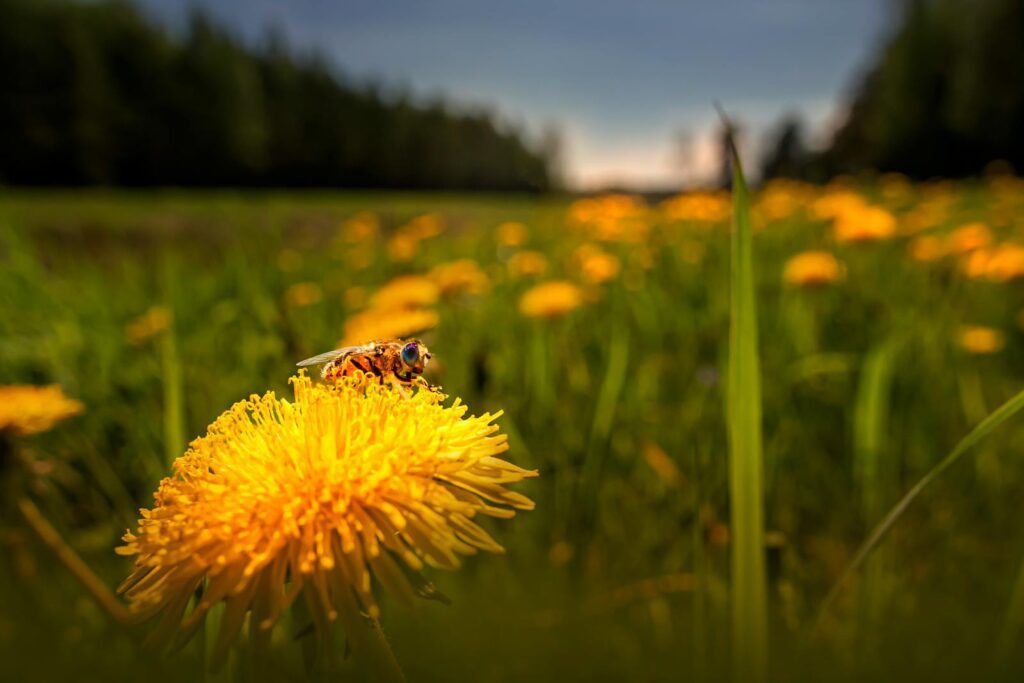
After giving it some thought, she came up with a plan that showcased her commitment to the bees while also having a little fun at her neighbor’s expense. Tying a stick behind her riding mower, she crafted a makeshift spreader. The idea was simple: as she mowed, the dandelion seeds would float into her neighbor’s yard, creating a bright yellow sea of flowers. Hiking the mower’s blades up high, she ensured that the grass remained untouched while sending dandelion seeds dancing in the breeze.
Within a few days, her neighbor’s perfect lawn transformed into a vibrant patch of yellow. The mom found happiness not just in the whimsical act of revenge but in knowing she encouraged pollinators in the process. The sight of the neighbor’s yard filled with dandelions felt like a small victory in the face of someone who would rather resort to chemicals than embrace nature’s wild beauty.
People had very different reactions when they heard about this situation. Some applauded her, calling it brilliant not just in terms of “petty revenge” but also for helping the bees, which are critical to the environment. One commenter shared their own experience with signs in the neighborhood that read, “Pardon the weeds, we’re feeding the bees!” It sounded like a growing movement for eco-friendly yard care.
Others pointed out the importance of planting more native species, like milkweed, to attract butterflies and support the ecosystem as well. There was a general consensus that lawns shouldn’t come at the cost of pollinators, and many users expressed their support for keeping dandelions as part of yard ecosystems.
The situation sparked a lively conversation about lawn care, environmental responsibility, and the delicate balance between personal preference and communal aesthetics. While some sympathized with the neighbor’s frustration over losing their manicured appearance, others felt that a little wildness in nature could be a good thing. It raised an interesting question about people’s relationships with their yards and what kind of landscapes they wanted to foster.
In the end, the mom’s choice remained a polarizing topic. Should nature be allowed to run its course, or should everyone’s yard conform to a certain standard? The balance between personal expression and community expectations seemed to hang in the air. Would more people defend the role of dandelions in their lives, or would the pressure for perfect lawns continue to dominate?
More from Decluttering Mom:

