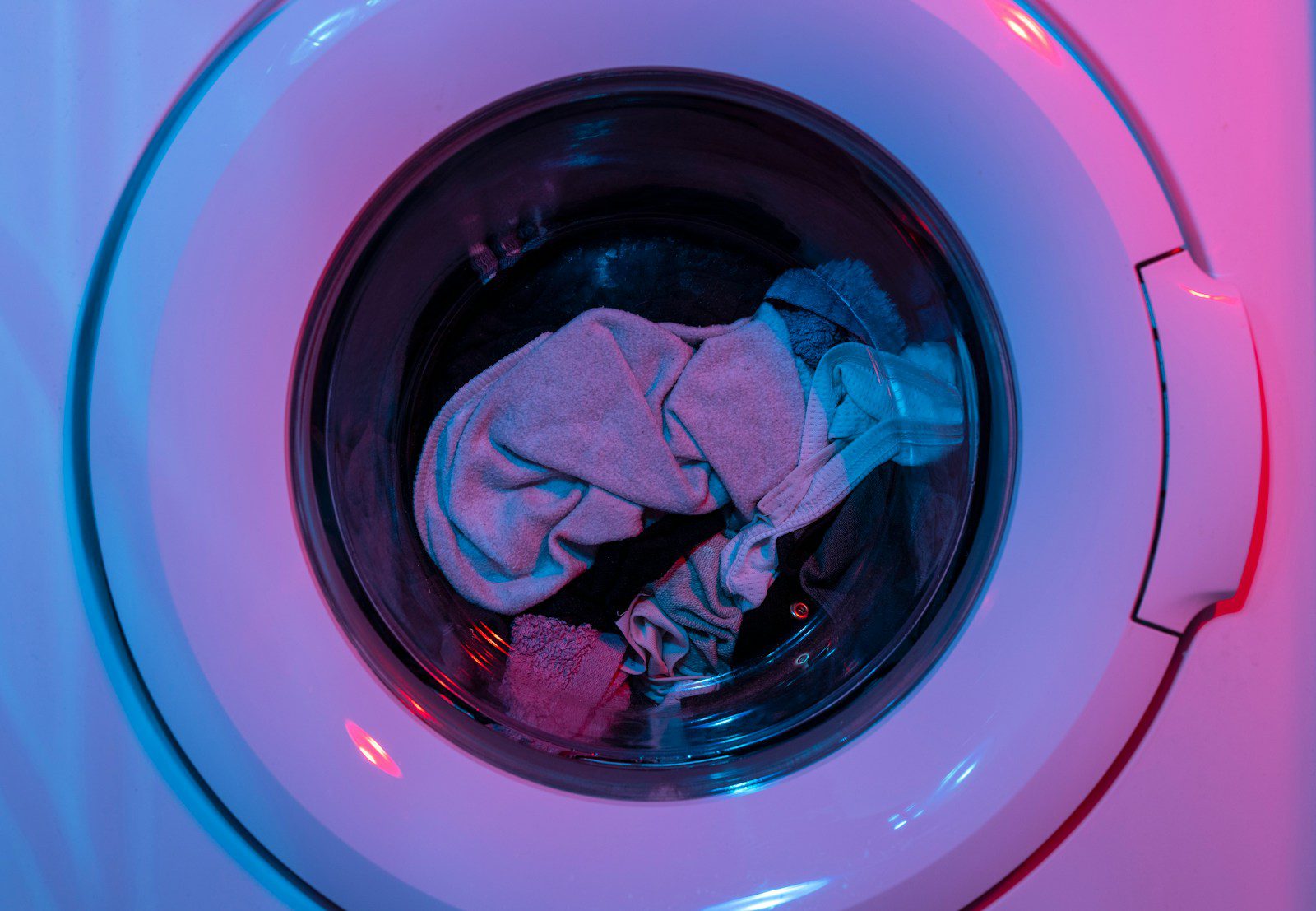
The rubber gasket lining your front-load washer’s door is one of the dirtiest spots in the entire house, and most people never touch it with a cleaning product. A 2025 peer-reviewed microbiology study published in Frontiers in Microbiology found bacterial loads on front-load door seals averaging 6.5 log10 CFU per swab, a measurement that translates to millions of live bacteria on a surface most households wipe maybe once a year, if that.
What Researchers Actually Found in the Rubber Seal
The study sampled ten household washing machines, split evenly between front-load and top-load models, using both surface swabs and sterile sentinel washcloths analyzed through culture testing and DNA-based metabarcoding. Front-load door gaskets came out as the single dirtiest site tested, harboring bacterial genera including Pseudomonas, Micrococcus, and Sphingomonas, organisms typically shed from human skin. Fungal counts on the same seals averaged 3.25 log10 CFU per swab, dominated by Aspergillus, Cladosporium, and Penicillium, three mold genera well known for triggering musty odors and, in some cases, respiratory irritation.
Top-load machines weren’t spotless either. Their drum gaskets peaked at 3.79 log10 CFU per swab, notably lower than front-loaders but still a meaningful bacterial presence in a spot most owners never think to scrub.
Why This Beats a Toilet Seat
The comparison to a toilet seat isn’t as far-fetched as it sounds. In a separate, long-running body of research from University of Arizona microbiologist Charles Gerba, who tested 14 household hot spots across dozens of homes, the toilet seat consistently ranked dead last, meaning it was the least contaminated surface in the house. That’s largely because toilet seats are hard, dry, exposed to light, and (crucially) get cleaned regularly. A washer gasket checks none of those boxes: it’s soft, textured, sits in near-constant darkness inside a closed appliance, and stays damp between loads, exactly the environment bacteria and mold need to establish themselves.
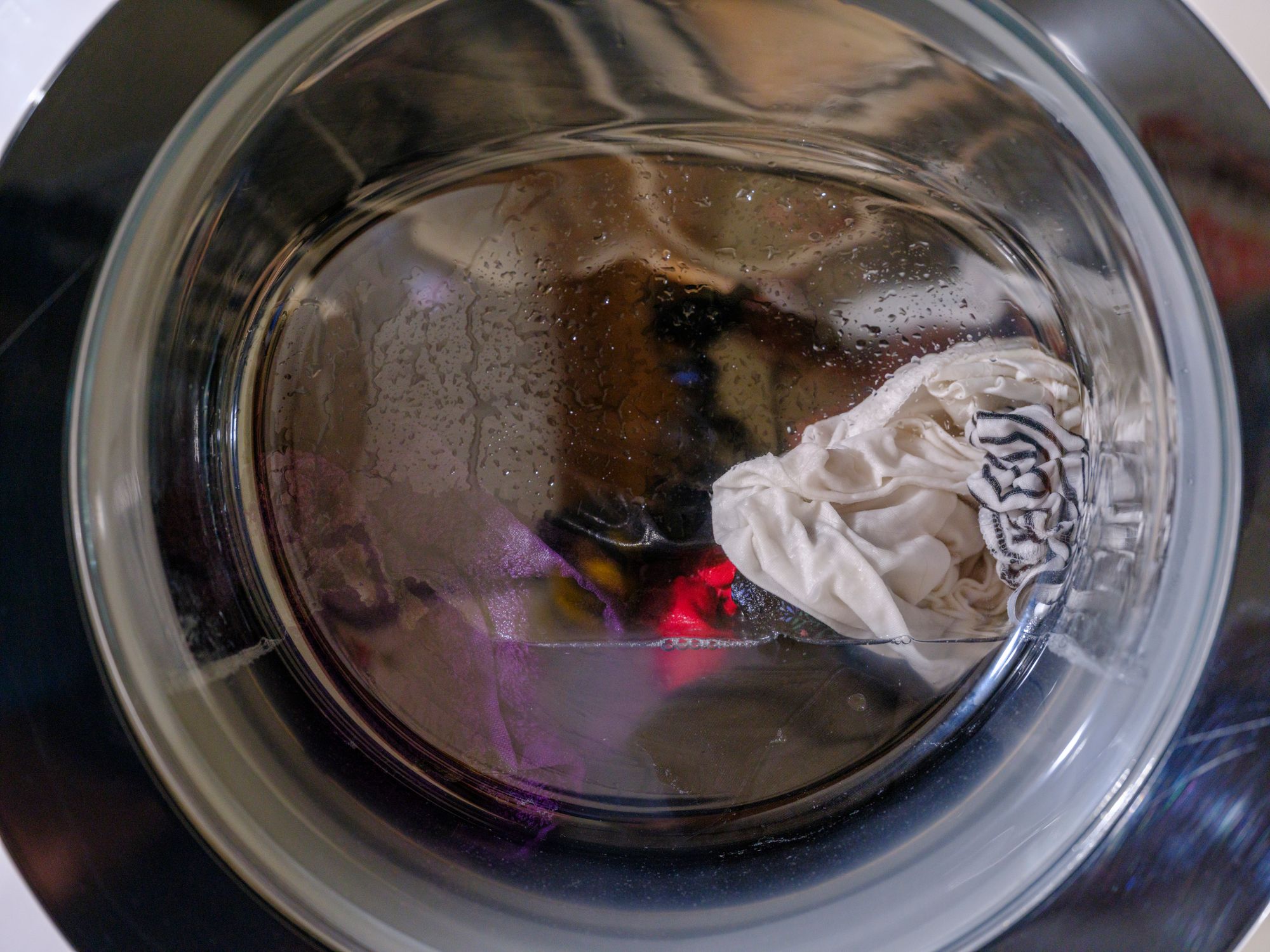
Put those two bodies of research side by side and the pattern is clear, even though they’re separate studies using different households: a surface that’s cleaned often and dries out fast stays relatively germ-free, while one that’s damp, dark, and ignored builds up a serious microbial load, no matter what room it’s in.
Why Front-Loaders Are Especially Vulnerable
Front-load washers use far less water than older top-load machines, which is good for utility bills but bad for rinsing. Less water means less flushing action to carry detergent residue, fabric softener buildup, and lint out of the gasket’s folds. That residue becomes food for mold and bacteria, and the door seal’s accordion-style folds create dozens of small, humid pockets that rarely see direct airflow. Add a household that keeps the washer door closed right after the final spin cycle, sealing in moisture, and you have close to ideal breeding conditions.
How to Actually Clean It
- Wipe the gasket folds after every load or two. Pull back each fold of the rubber seal and wipe with a dry or lightly damp cloth to remove trapped water and lint before they turn into a mold source.
- Leave the door open between washes. Letting the drum and gasket air-dry is one of the simplest ways to interrupt the damp, dark conditions mold needs.
- Run a hot maintenance cycle monthly. Many washers include a dedicated “tub clean” or sanitize cycle; NSF-certified sanitizing cycles are independently verified to eliminate 99.9% of microorganisms when used correctly, which resets the bacterial load buildup that daily washing alone won’t touch.
- Deep-clean with a vinegar or hydrogen peroxide solution monthly. A diluted solution wiped into the folds and left for a few minutes helps break down mold before running a rinse cycle.
- Check the drain filter and detergent drawer at the same time. Both trap moisture and residue in ways that feed back into the gasket’s environment, so cleaning one without the others only solves part of the problem.
The Takeaway
A washing machine is supposed to be the appliance that makes things clean, which is exactly why its dirtiest component hides in plain sight. The data doesn’t suggest panic, just a five-minute habit most households have simply never built: wipe the folds, leave the door cracked, and run a hot cycle now and then. Skip all three, and the appliance responsible for sanitizing your laundry keeps quietly working against you every time the door swings shut.