


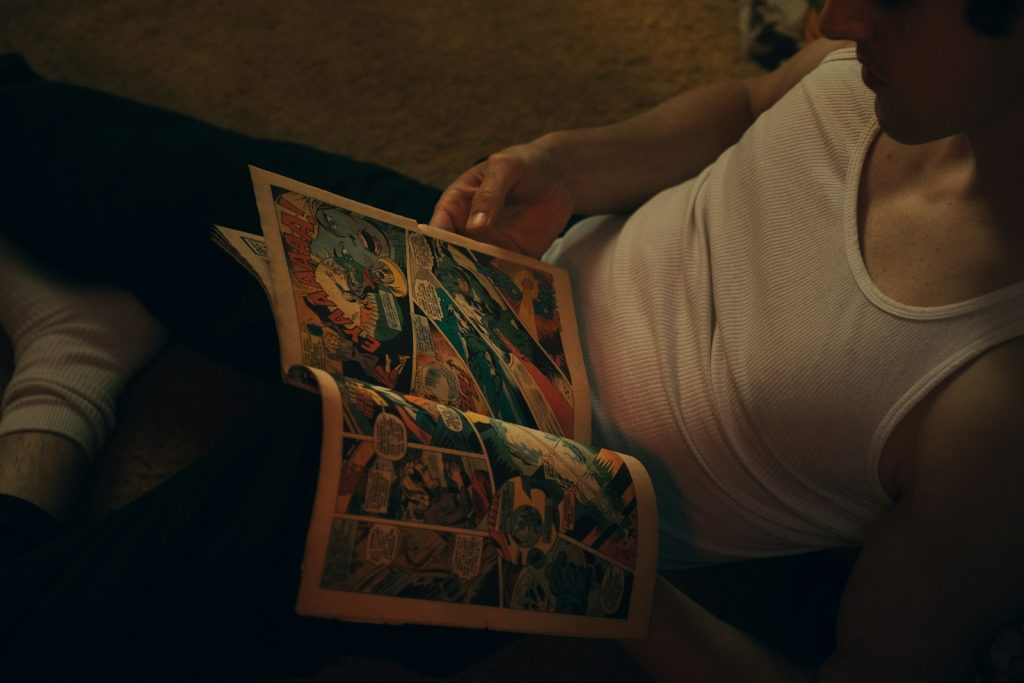
If you’ve ever found a stack of old magazines in your attic or basement, you might wonder if they’re worth anything beyond clutter. The truth is, some vintage magazines can be surprisingly valuable—sometimes fetching hundreds or even thousands of dollars. Knowing which issues to look for can turn a dusty pile into a potential treasure trove. I’ve dug into some of the most sought-after magazines, from iconic first editions to special issues featuring famous moments and personalities. Whether it’s a magazine tied to a historic event or a debut issue, these vintage pieces hold more than just nostalgia; they hold real monetary value.
Stick around as I share 7 vintage magazines that are worth serious money. If you have any of these on your shelves, you might just be sitting on a small fortune waiting to be discovered. For more detailed lists, you can also check this article about old magazines that are collector’s gold.

What Makes Vintage Magazines Valuable?
Several specific factors influence the value of vintage magazines. These include how old and rare they are, the condition they’re in, and their relevance to important moments in history or culture. Each of these plays a big role in what collectors look for.
Age and Rarity
Age is often the first thing I check when assessing an old magazine. Generally, the older the magazine, the fewer copies are likely to have survived. That scarcity drives up value.
Rarity is more than just age, though. Some magazines had limited print runs or only a few issues ever made it to market. First editions and debut issues, like the first National Geographic from 1888 or the initial Playboy issue in 1953, tend to be especially valuable because of this.
When hunting for vintage magazines, I also consider special editions or issues with famous covers. These tend to be harder to find and more prized by collectors. The combination of age plus rarity makes a magazine stand out in any collection.
Importance of Condition
Condition is vital to me when valuing magazines. A near-mint or very well-preserved issue can be worth many times more than a worn, torn, or heavily marked copy.
Collectors usually want magazines with intact covers, no missing pages, and minimal yellowing or stains. Issues stored carefully in protective sleeves or boxes often fetch higher prices.
I always look out for damages like creases, tears, or fading. Even small flaws can reduce value significantly. That’s why how you store your vintage magazines—away from moisture and direct sunlight—matters a lot.
Historical and Cultural Significance
What the magazine represents in history or culture plays a huge role in its value. Magazines covering historic events, milestone issues, or featuring iconic personalities often attract collectors.
For example, a Life Magazine “To the Moon and Back” issue from 1969 commemorates the Apollo 11 mission — that’s a piece of history many want. Similarly, magazines featuring cover stories on figures like Mahatma Gandhi or pop culture icons such as John Lennon carry great significance.
Sometimes the magazine’s content offers unique insight into a particular era, like early Vogue or Harper’s Bazaar issues showing fashion trends from the 1800s to early 1900s. This type of cultural relevance creates collectible value beyond just the magazine’s physical attributes.
7 Vintage Magazines That Are Worth Serious Money
Some vintage magazines have become valuable because of their iconic covers, first issues, or cultural impact. Their rarity and condition greatly affect the price, but certain editions stand out for collectors.
Playboy First Issue Featuring Marilyn Monroe
The December 1953 Playboy debut is legendary, mainly because it features Marilyn Monroe on the cover and in the centerfold. This was the start of a media empire created by Hugh Hefner, but at the time, it was a simple, low-budget project. Today, a mint condition copy can fetch over $75,000 at auction.
What makes this issue special is not just the celebrity feature but its cultural significance in shaping adult entertainment publishing. Copies that are well-preserved, with no major tears or stains, are the most sought after.
Sports Illustrated Early Editions
Sports Illustrated launched in August 1954 with a cover showcasing Milwaukee Braves star Eddie Mathews. Those early editions set the stage for decades of sports journalism and photography.
Collectors value first issues from this period, especially those that hold up physically. Prices typically range from $4,000 to $8,000 for copies in excellent condition.
These magazines captured sports history moments and helped define sports culture in America. If you own early copies, check the condition carefully; minor damage can drop their value significantly.
National Geographic Rare Issues
National Geographic’s first issue appeared in October 1888 as a simple, text-heavy journal without photos. Over time, it evolved into the famous magazine with its distinctive yellow border and stunning photography.
Original copies of the 1888 premiere or other rare early editions can be worth $10,000 or more, especially if the condition is intact. Collectors prize these for their historical value, documenting exploration and scientific discovery.
Because early issues lacked images, their rarity and intact pages are key to maintaining value. I’ve noticed these sell well across auctions focused on geography and history.
Life Magazine Historic Covers
Life Magazine became a staple for photojournalism, especially from the 1930s through the 1970s. Iconic covers that captured major historical events or cultural moments are now collectibles.
Some early issues, especially from the 1930s and 1940s, can fetch substantial sums depending on cover subject and condition. Prices vary but notable covers can reach thousands.
Collectors look for sharp images, vibrant colors, and minimal page damage. Life’s unique blend of storytelling and photography makes these magazines a favorite in collections focused on American history and pop culture.
Other High-Value Magazine Issues
Some vintage magazines hold more than just stories; they capture moments that collectors cherish. These editions often feature iconic covers, historic events, or cultural milestones that boost their value significantly. Keeping an eye out for these can turn your old collection into a surprising treasure.
Rolling Stone Iconic Editions
I’ve found that Rolling Stone issues featuring music legends tend to be highly sought after. For example, the issue with John Lennon on the cover, taken by Annie Leibovitz just before his death, is famously valuable. The emotional weight behind this issue makes it a prized collectible.
Other Rolling Stone issues spotlighting major rock stars or significant cultural events also hold value. Key points to consider are the cover subject, print date, and condition. Originals from the 1970s and 1980s usually fetch higher prices, especially if they are in near-mint condition.
The New Yorker Collectible Covers
The New Yorker’s covers are known for blending art and social commentary. Some editions have become valuable because of their unique illustrations or timely cultural reflections. Covers featuring prominent illustrators or depicting historic moments tend to attract collectors.
One issue might stand out due to a famous artist’s work or because it captures a pivotal political or social event. The scarcity of early editions also plays a role in pricing. If you look after your copies well, some New Yorker issues can appreciate nicely over time.
TV Guide Classic Premieres
TV Guide has recorded television history from the 1950s onward. I’ve noticed that the premiere issues of popular shows, especially in the early years of TV, are quite collectible. These magazines often feature original TV show ads, schedules, and celebrity interviews from the era.
Issues showcasing the debut of beloved series or starring major TV personalities usually draw the attention of collectors. The older and better preserved the magazine, the more it’s worth. Having a copy of TV Guide with a famous show’s first listing can be a small but valuable piece of pop culture history.
How to Sell and Preserve Your Valuable Magazines
Getting the best price for vintage magazines involves knowing their worth and choosing the right sales method. At the same time, protecting their condition is key to maintaining or even increasing their value over time.
Evaluating Magazine Worth
I always start by checking the magazine’s publication date, edition, and condition. First editions and early issues often carry more weight. Condition matters a lot—intact covers, no missing pages, and no water or mold damage make a big difference.
Next, I look at market demand for the title and era. For example, magazines like National Geographic from the early 1900s or Playboy from the 1950s tend to attract collectors. You can get a rough price idea by browsing completed sales on eBay or using specialized sites that buy vintage magazines directly.
Best Ways to Sell Collectible Magazines
When I sell, I prefer options that avoid extra hassle and fees. Selling to professional buyers like those at SellOldMagazines.com means I get a fast, fair offer plus free shipping, especially if I have a large collection.
eBay is good if you want to set prices yourself and sell individual issues but requires time for listings, photos, and responding to buyers. Local options like Facebook Marketplace work for quick sales but usually don’t get top dollar because buyers expect bargains.
Antique shops and auction houses can bring a good price but often have high commissions or strict acceptance criteria, so I use these only for exceptionally rare magazines.
Preserving and Storing for Maximum Value
I store magazines in a cool, dry place away from direct sunlight to prevent fading and moisture damage. Using acid-free sleeves and boxes protects covers and pages from yellowing.
Handling magazines with clean, dry hands and avoiding folding or bending keeps them in good shape. I avoid removing original labels or inserts, since these add to a magazine’s historical value.
For long-term storage, I keep collections together and avoid overcrowding shelves. Proper care not only maintains but sometimes increases the worth of vintage magazines as collectors prioritize condition highly.