Living in a small living room can feel limiting, but it doesn’t have to. With the right approach, you can create a space that feels open, comfortable, and inviting, no matter its size.
You can use simple design tricks to make your small living room feel much bigger and more functional. These ideas focus on maximizing your space without overwhelming it, helping you enjoy your home to the fullest.
Use light, neutral paint colors to reflect natural light

Choosing light, neutral paint colors can help your small living room feel more open and bright. Shades like pale gray, beige, or soft whites reflect natural light, making the space appear larger.
Keeping walls and ceilings the same light color creates a seamless look that visually expands the room. These colors also add a calm, fresh vibe without overwhelming your space.
Hang curtains close to the ceiling to create height

Hanging your curtains near the ceiling draws the eye upward. This simple trick makes the walls feel taller, adding a sense of height to your living room.
Make sure the curtain rod is placed just below the ceiling or crown molding. Even if your windows are small, the room will feel more spacious vertically.
Choose long curtains that reach the floor to complete the effect. This adds flow and elegance while enhancing the visual height of your space.
Place a large mirror opposite a window to amplify light

Placing a large mirror directly opposite a window helps reflect natural light throughout your room. This simple trick brightens your space, making it feel more open and airy.
Your living room will appear larger because the mirror creates a sense of depth. It also draws attention to the window’s view, enhancing the overall vibe without adding clutter.
Keep furniture low-profile to open sightlines

Choose furniture that stays close to the ground to create a feeling of openness. Low-profile pieces don’t block your view across the room, which helps your living space feel less crowded.
Opt for slim legs or see-through materials like glass or acrylic to reduce visual clutter. This simple change can make a noticeable difference in how roomy your living room feels.
Declutter regularly to avoid cramped feeling

You’ll notice your small living room feels tighter when there’s too much stuff around. Keeping only what you truly need helps open up the space.
Try to put away unnecessary items and avoid accumulating things you don’t use. A tidy room feels more inviting and spacious.
Regularly clear surfaces and store extra belongings in hidden compartments or stylish storage furniture. This makes your space look cleaner and more organized.
Use multi-functional furniture with hidden storage
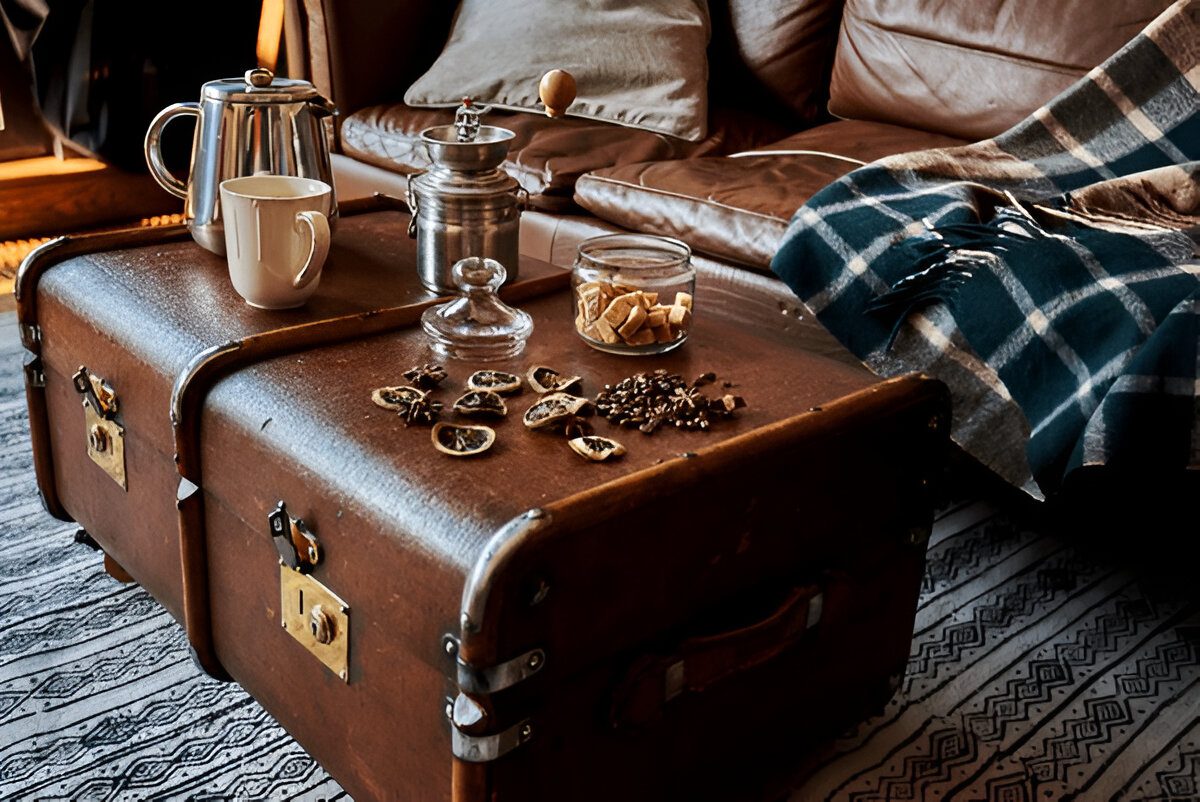
You can save a lot of space by choosing furniture that serves more than one purpose. Look for ottomans or coffee tables with hidden compartments.
This way, you keep clutter out of sight but still have easy access to your things.
A sofa bed is another good option—it offers seating by day and a sleeping area when needed. These pieces keep your living room flexible without feeling crowded.
Add vertical shelves to maximize wall space

You can create more room by adding shelves that go from floor to ceiling. Vertical shelves draw the eye upward, making your living room feel taller and less cramped.
These shelves give you extra storage without taking up floor space. Use them to display books, plants, or decor neatly to keep your space organized and open.
Choose rugs that extend beyond furniture edges

When you pick a rug that stretches beyond your furniture edges, your room instantly feels more connected and spacious. It creates a unified space instead of breaking the room into smaller parts.
Make sure the rug is large enough so your furniture sits partly on it. Avoid rugs that are too small—they can make your space look choppy and cluttered.
Light or neutral-colored rugs help maintain openness and flow, especially in smaller living rooms.
Layer various lighting sources for warmth

You can brighten your living room by using different types of lighting together. Combine ceiling lights, floor lamps, and table lamps to create a cozy, inviting space.
Adding warm bulbs helps soften the room’s feel, making it more comfortable. Place lights in dark corners to eliminate shadows and open up the space visually.
Consider adding LED strips under furniture for subtle extra lighting. This layered approach brings both style and function to your small living room.
Incorporate glass or acrylic furniture pieces

Using glass or acrylic furniture helps keep your living room feeling open. These materials let light pass through, reducing visual clutter.
When you choose pieces like a clear coffee table or transparent chairs, your space won’t feel crowded. It creates an airy vibe that can make a small room seem larger.
You can also mix these with other furniture to balance practicality and style, keeping your small living room both functional and spacious.
Opt for furniture with exposed legs for airiness

Choosing furniture with exposed legs helps open up the floor visually. When pieces like sofas or chairs sit directly on the ground, they can feel heavy and block space.
With raised furniture, you see more of the floor. This trick makes your small living room feel lighter and less crowded.
It’s also easier to clean underneath, which keeps your space fresh. Simple changes like this can improve the overall flow of your room.
Use a monochromatic color scheme with varying textures

Choosing one color for your living room helps create a unified, spacious feel. You can play with different shades to keep the look interesting without breaking the flow.
Adding various textures like velvet, leather, or rattan brings depth to your room. This mix stops the space from feeling flat while keeping things cozy and inviting.
Arrange furniture to keep pathways clear
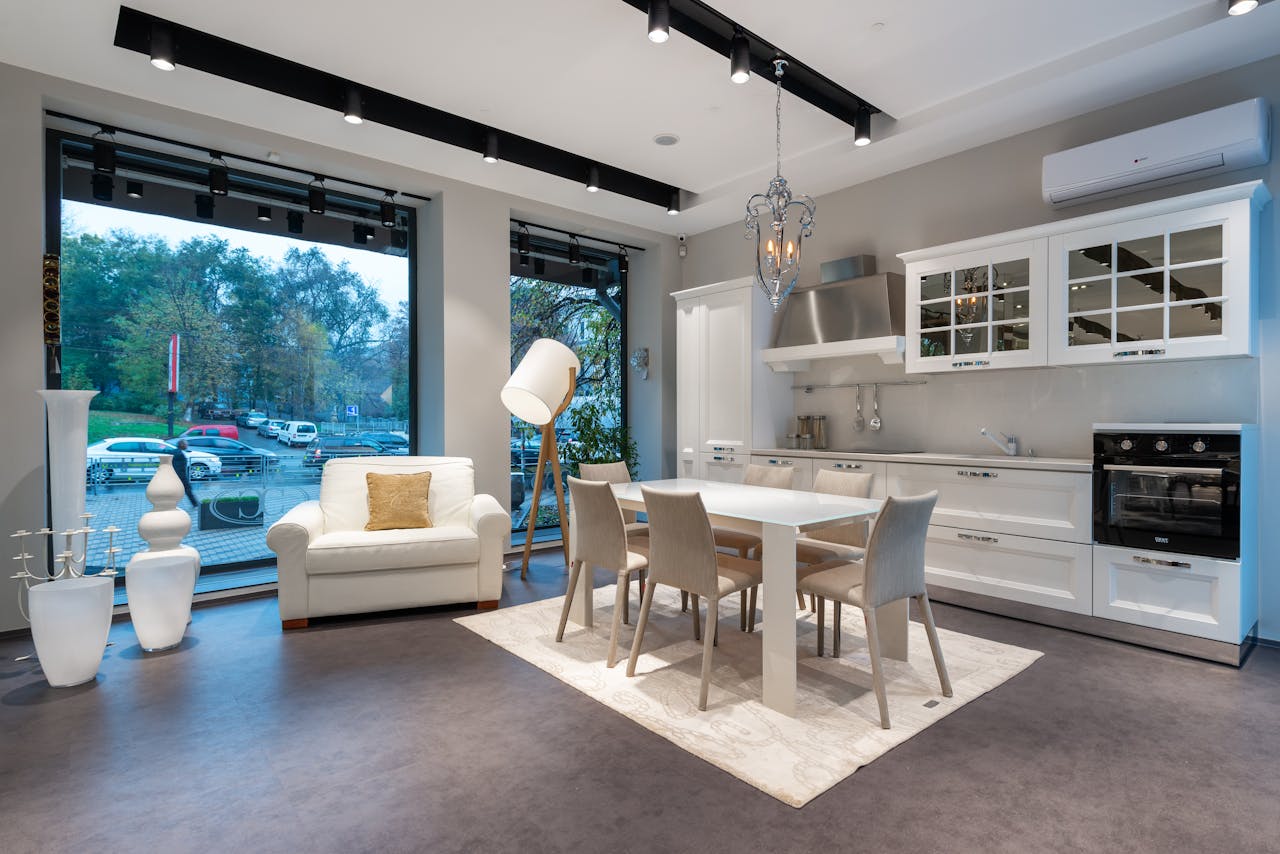
You want to create open pathways of at least 30 inches to make your living room feel less crowded. Avoid pushing all your furniture against the walls; floating pieces slightly inward can add depth.
Make sure there’s enough space to move comfortably around furniture. This simple step keeps your room functional and visually open.